Welcome, Fellow Gardeners!
There’s nothing quite as satisfying as watching your garden flourish, brimming with healthy plants and the promise of a bountiful harvest. But let’s face it, unwelcome guests like garden pests can quickly turn that joy into frustration. The good news is, you don’t need harsh chemicals to protect your precious plants! Embracing smart, natural pest control methods is not only effective but also safer for your family, pets, and the environment. Let’s dive into how you can keep your garden thriving, naturally.
Why Choose Natural Pest Control?
Opting for natural methods over synthetic pesticides offers numerous benefits. It protects beneficial insects like pollinators and ladybugs, prevents harmful chemicals from leaching into your soil and water, and ensures that the fruits and vegetables you harvest are free from unwanted residues. Plus, it fosters a healthier, more balanced garden ecosystem in the long run.
Understanding Your Garden’s Pests
Before you can effectively combat pests, it helps to know your adversaries. Common garden nuisances include:
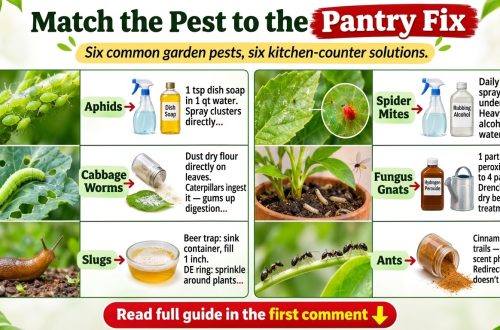
- Aphids: Small, soft-bodied insects that cluster on new growth, sucking plant sap.
- Slugs & Snails: Mollusks that chew holes in leaves and fruit, especially active at night or after rain.
- Ants: While not always direct plant eaters, they often farm aphids and protect them from predators.
- Flies: Various types, like whiteflies, can damage plants and transmit diseases.
- Caterpillars: Larvae of moths and butterflies that can quickly defoliate plants.
Your Natural Pest Control Arsenal
1. DIY Natural Sprays
Homemade sprays are fantastic first-line defenses. They’re easy to make and use ingredients you likely already have.
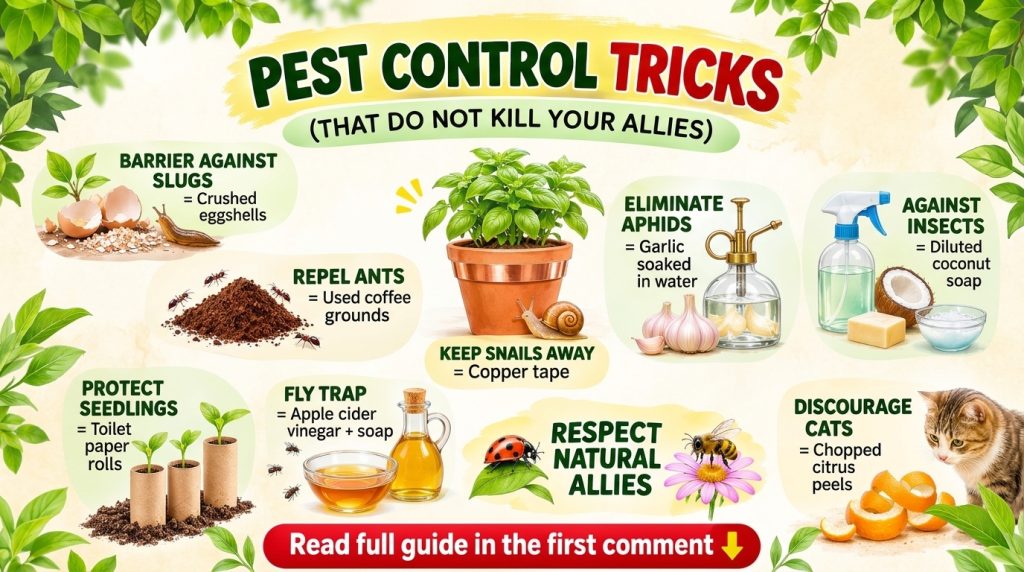
Garlic Spray: A Potent Repellent
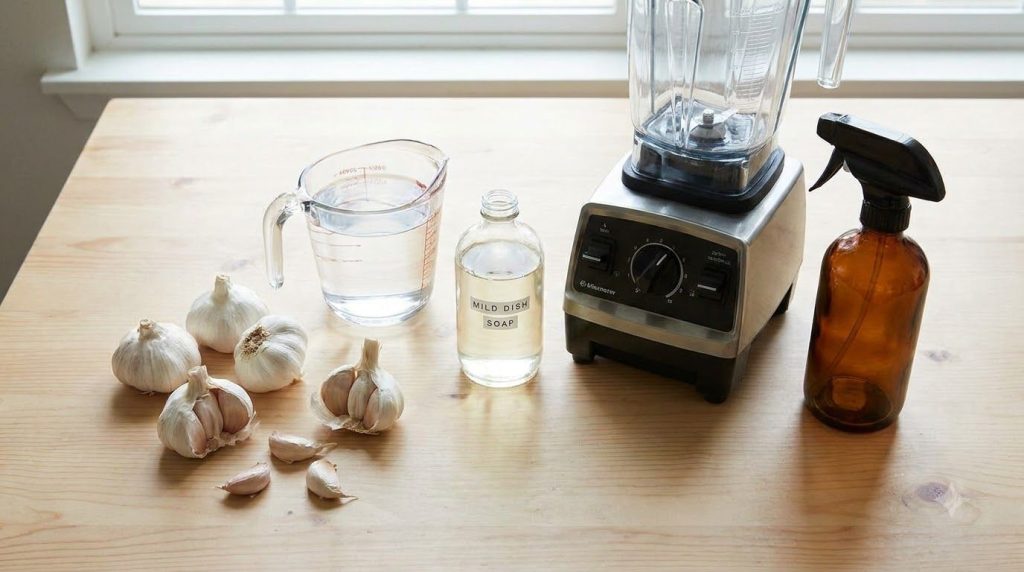
Garlic is a natural insecticide and fungicide that pests despise. To make a simple garlic spray:
- Blend 1-2 whole garlic bulbs with about 1 cup of water until smooth.
- Strain the mixture through cheesecloth to remove solids.
- Dilute the garlic liquid with 1 gallon of water.
- Add 1 tablespoon of liquid dish soap (mild, biodegradable) to help it stick to plants.
- Spray directly onto affected plants, focusing on the undersides of leaves, every few days or after rain.
This spray is effective against aphids, whiteflies, cabbage worms, and even some fungal issues.
Other Effective Sprays:
- Neem Oil Spray: Mix neem oil with water and a little soap. It disrupts insect growth and feeding.
- Insecticidal Soap Spray: A simple mixture of water and a few drops of mild liquid dish soap can suffocate soft-bodied pests like aphids and spider mites.
2. Companion Planting
Planting certain herbs and flowers next to your vegetables can naturally deter pests. For example:
- Marigolds: Repel nematodes and other pests.
- Nasturtiums: Act as a trap crop for aphids, drawing them away from your desired plants.
- Basil: Can repel flies and mosquitoes, making it a great companion for tomatoes.
- Garlic & Onions: Their strong scents deter many insects.
3. Attracting Beneficial Insects
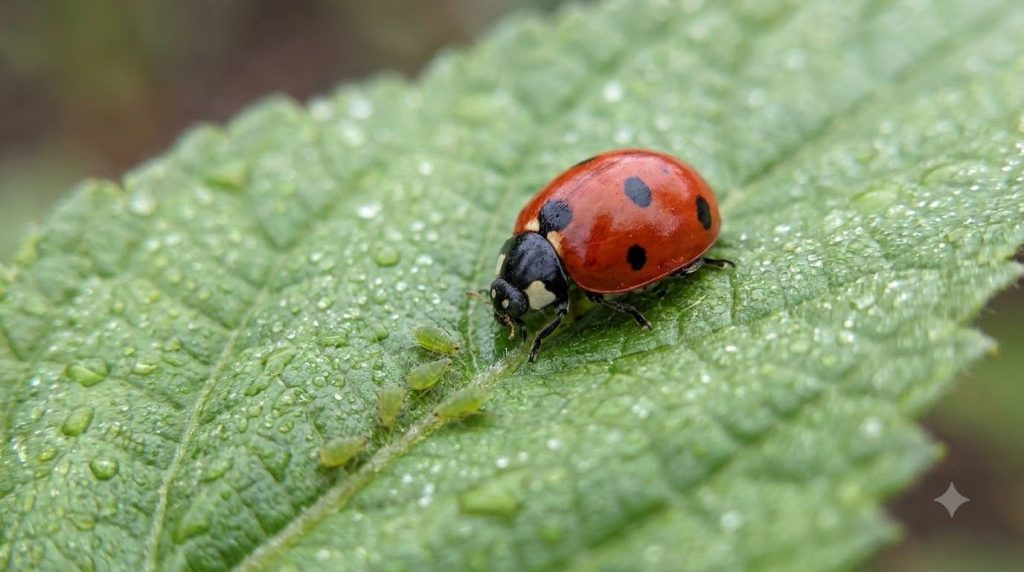
Nature has its own pest control experts! Ladybugs, lacewings, and parasitic wasps feed on common garden pests. Attract them by planting flowers with small blooms, such as dill, cilantro, yarrow, and cosmos. Providing a water source can also help.
4. Physical Barriers & Manual Removal
- Hand-Picking: For larger pests like slugs, snails, and caterpillars, a daily walk through the garden to hand-pick them off plants can be very effective. Drop them into a bucket of soapy water.
- Row Covers: Lightweight fabric covers can protect young plants from flying insects like cabbage moths.
- Slug Traps: A shallow dish filled with beer placed at soil level can attract and drown slugs.
5. Maintaining Garden Health
A healthy plant is more resistant to pests. Ensure your plants receive:
- Proper Watering: Too much or too little can stress plants.
- Good Air Circulation: Prevents fungal diseases that can weaken plants.
- Rich Soil: Healthy soil provides essential nutrients, leading to stronger, more resilient plants. Consider regular composting.
Embrace a Greener Garden
Adopting natural pest control methods is a journey, not a one-time fix. It involves observation, patience, and a willingness to work with nature. By incorporating these smart and natural techniques, you’ll not only enjoy a pest-free garden but also contribute to a healthier environment and a truly bountiful home harvest. Happy gardening!