Fatty liver disease, a condition where excess fat builds up in the liver, is becoming increasingly common. Often dubbed a ‘silent epidemic,’ it can progress without noticeable symptoms in its early stages. While various factors contribute to its development, including genetics and lifestyle choices, what you eat plays a profoundly crucial role in both preventing and managing this condition. The good news? Your diet can be a powerful ally in supporting your liver’s health.
This article dives into 7 powerhouse foods that can help nourish your liver and actively work to reduce fat accumulation. Incorporating these nutrient-dense options into your daily meals is a practical, delicious step towards a healthier liver and improved overall well-being. Let’s explore how these everyday ingredients can make a significant difference.
Understanding Fatty Liver: A Silent Threat
Fatty liver disease, also known as hepatic steatosis, occurs when more than 5-10% of your liver’s weight is fat. There are two main types: alcoholic fatty liver disease (AFLD), caused by heavy alcohol consumption, and non-alcoholic fatty liver disease (NAFLD), which is not related to alcohol and is often linked to obesity, insulin resistance, type 2 diabetes, and high cholesterol. If left unchecked, NAFLD can lead to non-alcoholic steatohepatitis (NASH), a more aggressive form of the disease that causes liver inflammation and damage, potentially progressing to cirrhosis or liver cancer.
The good news is that for many, fatty liver is reversible, especially through dietary changes and lifestyle adjustments. By making informed food choices, you can empower your liver to heal and function optimally.
Nourish Your Liver: 7 Foods to Incorporate
Here are seven foods that are particularly beneficial for liver health, offering compounds that help reduce inflammation, oxidative stress, and fat accumulation.
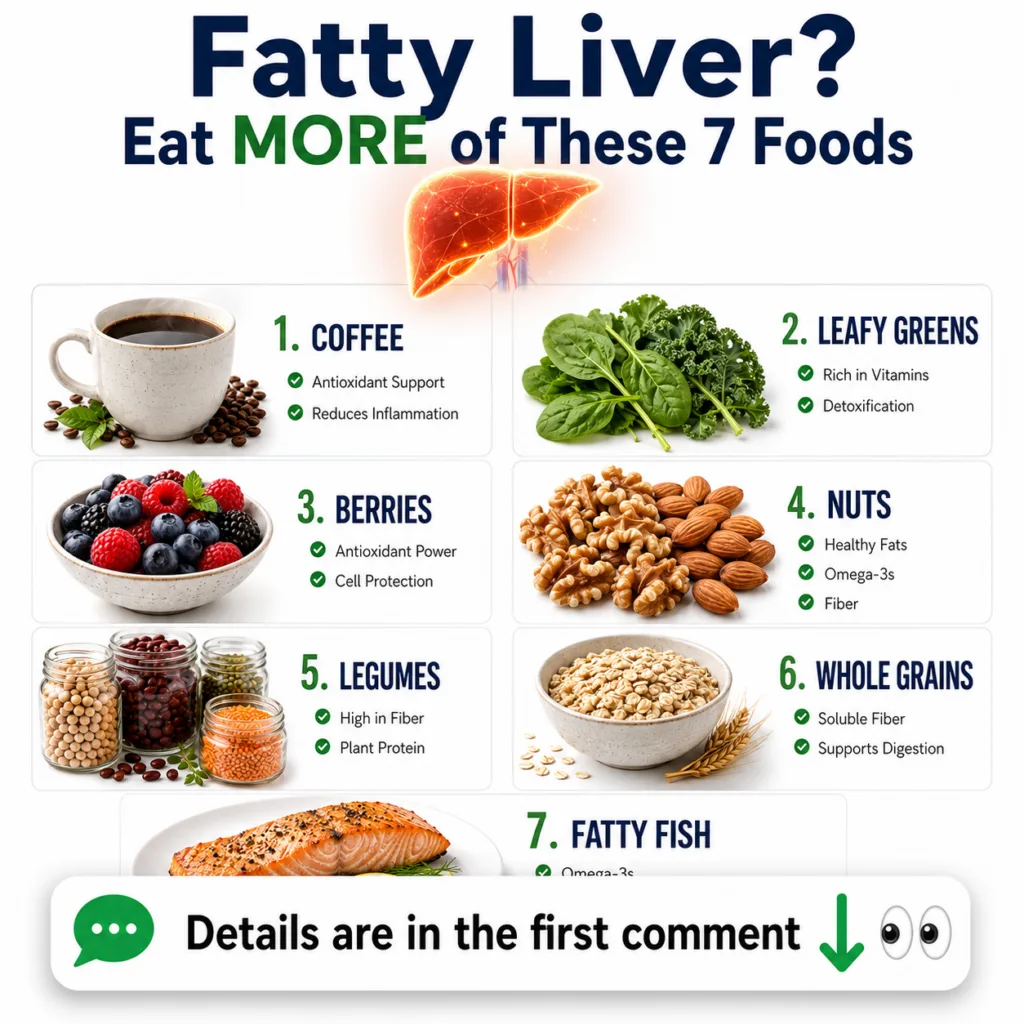
1. Coffee: Your Morning Liver Boost
- Reduces Liver Enzyme Levels: Studies suggest regular, moderate coffee consumption can lead to lower levels of abnormal liver enzymes in individuals at risk of liver disease.
- Anti-Inflammatory Properties: The polyphenols in coffee, such as chlorogenic acid, possess powerful anti-inflammatory effects that can protect liver cells.
- Lowers Risk of Fibrosis: Research indicates coffee consumption may reduce the risk of liver fibrosis, a scarring of the liver tissue, and even progression to cirrhosis.
Enjoying your coffee black or with minimal additives is key to maximizing its liver-protective benefits. Aim for 1-3 cups daily, consulting with your doctor if you have any existing health conditions.
2. Leafy Greens: Nature’s Detoxifiers
- Rich in Antioxidants: Leafy greens like spinach, kale, and arugula are packed with antioxidants, including vitamins C and E, which combat oxidative stress in the liver.
- High in Nitrates: Certain leafy greens provide natural nitrates, which may help reduce inflammation and improve blood flow to the liver.
- Support Detoxification Pathways: Compounds like glucosinolates (found in cruciferous greens like kale) aid the liver’s natural detoxification processes.
From smoothies to salads, incorporating a variety of leafy greens into your diet daily is a simple yet powerful step. They are also fantastic ingredients for healthy breakfast ideas or vibrant side dishes.
3. Berries: Bursting with Antioxidants
- Anthocyanins and Flavonoids: Berries are rich in anthocyanins, the pigments that give them their vibrant colors, and other flavonoids, potent antioxidants that protect liver cells from damage.
- Reduce Inflammation: Their anti-inflammatory compounds help soothe liver tissue and may prevent the progression of fatty liver disease.
- Cell Protection and Regeneration: Regular consumption can aid in protecting existing liver cells and potentially support the regeneration of new ones.
Whether fresh or frozen, blueberries, strawberries, raspberries, and cranberries are easy to add to oatmeal, yogurt, or simply enjoy as a snack. They are also a great addition to best smoothie recipes for a nutritious boost.
4. Nuts: Healthy Fats for Liver Protection
- Omega-3 Fatty Acids: Nuts, particularly walnuts, are an excellent source of alpha-linolenic acid (ALA), a plant-based omega-3 fatty acid known to reduce liver inflammation.
- Vitamin E and Antioxidants: Almonds and other nuts provide Vitamin E, a powerful antioxidant that protects liver cells from damage caused by free radicals.
- Improve Liver Enzyme Levels: Regular nut consumption has been linked to improvements in liver enzyme levels, indicating better liver function.
A handful of nuts daily can be a beneficial snack, but be mindful of portion sizes due to their caloric density. They are also perfect for adding crunch to salads or stir-fries.
5. Legumes: Fiber-Rich Liver Support
- Excellent Source of Fiber: Legumes like lentils, chickpeas, and beans are high in both soluble and insoluble fiber, which promotes healthy digestion and reduces cholesterol absorption, easing the burden on the liver.
- Plant-Based Protein: They offer a lean source of protein, helping to build and repair tissues, and can be a healthier alternative to red meat, which can sometimes exacerbate fatty liver.
- Improve Gut Health: A healthy gut microbiome, supported by fiber, is intrinsically linked to liver health, helping to reduce inflammation throughout the body.
Incorporate legumes into soups, stews, salads, or create delicious plant-based burgers for a satisfying and liver-friendly meal. They contribute to a feeling of fullness, which can be helpful if you’re exploring calorie deficit meal plan options.
6. Whole Grains: Sustained Energy for Liver Health
- High in Fiber: Whole grains such as oats, brown rice, and quinoa are rich in dietary fiber, which helps regulate blood sugar, reduces insulin resistance, and aids in weight management – all crucial for managing fatty liver.
- Complex Carbohydrates: Unlike refined grains, whole grains provide a steady release of glucose, preventing sharp spikes in blood sugar that can worsen liver fat accumulation.
- Reduce Inflammation: The various nutrients in whole grains, including B vitamins and magnesium, contribute to overall anti-inflammatory effects in the body.
Swap out white bread and pasta for their whole-grain counterparts. A bowl of oatmeal in the morning or quinoa as a side dish are excellent ways to boost your whole grain intake. This can be part of high protein breakfast ideas if paired with other protein sources.
7. Fatty Fish: The Omega-3 Powerhouse
- Rich in Omega-3 Fatty Acids: Salmon, mackerel, sardines, and trout are packed with EPA and DHA, essential omega-3s that are powerful anti-inflammatory agents.
- Reduce Liver Inflammation: These fatty acids directly help to reduce inflammation in the liver, which is a key component of fatty liver disease progression.
- Improve Liver Fat Accumulation: Studies show that regular consumption of omega-3s can significantly decrease the amount of fat stored in the liver.
Aim for 2-3 servings of fatty fish per week. Grilling, baking, or steaming are healthy preparation methods that preserve their nutritional benefits. For those seeking best meal prep containers, these can be part of your weekly plan.
Simple Ways to Integrate These Foods
Making these foods a regular part of your diet doesn’t have to be complicated. Here are a few simple ideas:
- Breakfast Boost: Start your day with oatmeal topped with berries and a sprinkle of walnuts. Enjoy with a cup of black coffee.
- Lunchtime Upgrade: Add leafy greens and chickpeas to your salad, or make a hearty lentil soup.
- Snack Smarter: Keep a mix of berries and almonds handy for a quick, healthy snack.
- Dinner Delight: Incorporate baked salmon with a side of quinoa and sautéed spinach.
Beyond Diet: A Holistic Approach to Liver Health
While these foods are incredibly beneficial, a comprehensive approach to managing fatty liver includes other lifestyle factors:
- Maintain a Healthy Weight: Even a modest weight loss can significantly reduce liver fat.
- Regular Exercise: Physical activity improves insulin sensitivity and helps reduce liver fat.
- Limit Alcohol: If you have NAFLD, it’s generally recommended to minimize or completely avoid alcohol. For AFLD, abstinence is crucial.
- Avoid Sugary Drinks and Processed Foods: These can contribute to insulin resistance and fat accumulation in the liver.
Final Thoughts
Your liver is a vital organ, tirelessly working to detoxify your body and support countless metabolic functions. By making conscious dietary choices and embracing these seven liver-friendly foods, you’re providing it with the nourishment it needs to thrive. Remember, consistency is key. Small, sustainable changes to your diet can lead to significant improvements in your liver health and overall well-being. Consult with a healthcare professional or registered dietitian for personalized advice, especially if you have a diagnosed liver condition.
Medical Disclaimer
The information provided in this article is for general knowledge and informational purposes only, and does not constitute medical advice. It is essential to consult with a qualified healthcare professional or physician for any health concerns or before making any decisions related to your health or treatment. Do not disregard professional medical advice or delay in seeking it because of something you have read in this article. Individual results may vary.