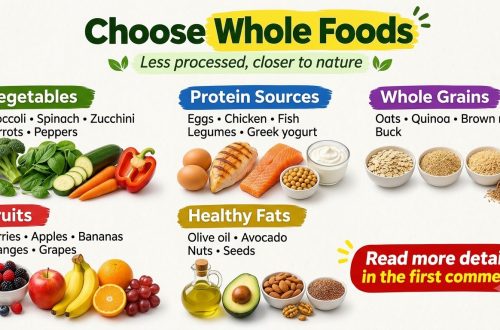
Unlock the Power of Fiber: Soluble vs. Insoluble
Have you ever heard about fiber and wondered what all the fuss is about? Or perhaps you’ve seen the terms ‘soluble’ and ‘insoluble’ fiber and weren’t sure what they meant for your health? You’re not alone! Fiber is a powerhouse nutrient that plays a crucial role in our overall well-being, yet many of us don’t get enough of it.
This article will dive deep into the world of dietary fiber, breaking down the differences between soluble and insoluble types. We’ll explore how each one uniquely benefits your body, from promoting healthy digestion to supporting heart health and helping with weight management. Get ready to learn simple, practical ways to incorporate more fiber into your daily diet and unlock its amazing benefits!
What is Dietary Fiber?
Before we explore the two main types, let’s clarify what dietary fiber is. Fiber is a type of carbohydrate found in plant foods that your body cannot digest. Unlike other carbohydrates, which are broken down into sugar molecules, fiber passes through your digestive system largely intact. This unique characteristic is what gives fiber its incredible health benefits.
Soluble Fiber: The Gel-Forming Hero
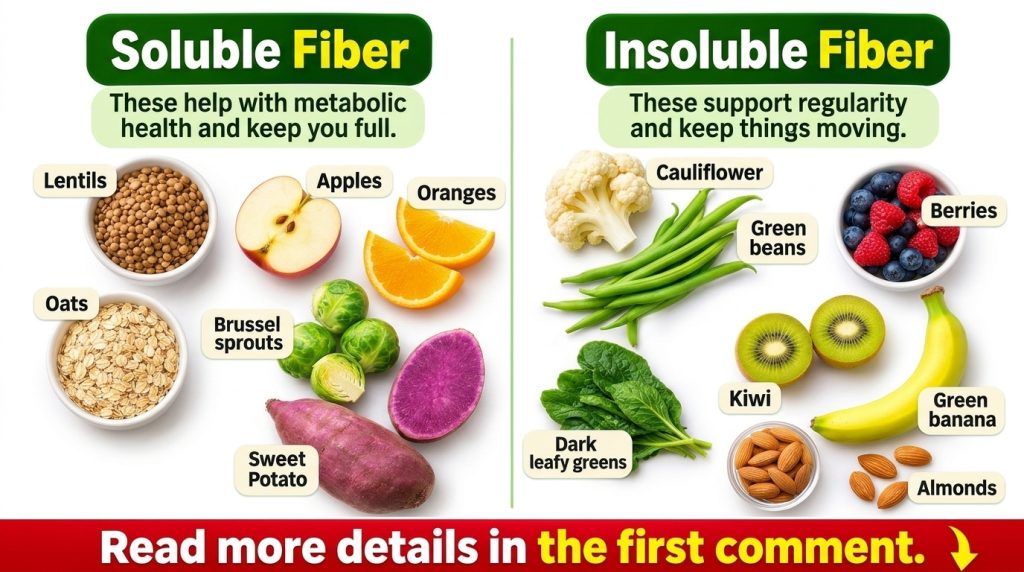
Soluble fiber is named for its ability to dissolve in water, forming a gel-like substance in your digestive tract. This gel has several important functions:
- Lowers Cholesterol: It binds with cholesterol particles in your small intestine, preventing them from being absorbed and helping to excrete them from the body. Research suggests this can significantly contribute to maintaining healthy cholesterol levels.
- Regulates Blood Sugar: The gel slows down the absorption of sugar into your bloodstream, which can help prevent rapid spikes in blood sugar after meals. This is particularly beneficial for managing blood sugar levels.
- Promotes Fullness: By slowing digestion, soluble fiber helps you feel fuller for longer, which can be a valuable tool for weight management.
- Feeds Gut Bacteria: It serves as a prebiotic, fermenting in the large intestine and feeding beneficial gut bacteria, supporting a healthy gut microbiome.
Foods Rich in Soluble Fiber:
- Oats and oat bran
- Barley
- Apples
- Citrus fruits (oranges, grapefruit)
- Carrots
- Peas
- Beans and lentils
- Psyllium husk
Insoluble Fiber: The Digestive Scrubber
Insoluble fiber, as its name suggests, does not dissolve in water. Instead, it adds bulk to your stool and helps food pass more quickly through your stomach and intestines. Think of it as your digestive system’s internal scrub brush.
Benefits of Insoluble Fiber:
- Promotes Regularity: It helps prevent constipation by adding bulk to stool, making it softer and easier to pass.
- Supports Gut Health: By keeping things moving, it supports a healthy and efficient digestive system.
- May Aid in Weight Management: The bulk from insoluble fiber can help you feel full, which may reduce overall calorie intake.
Foods Rich in Insoluble Fiber:
- Whole wheat flour and whole grains (brown rice, quinoa)
- Wheat bran
- Nuts and seeds
- Leafy green vegetables (spinach, kale)
- The skins of fruits and vegetables (e.g., apple skin, potato skin)
- Cauliflower
Why You Need Both Types of Fiber
It’s important to understand that both soluble and insoluble fibers are vital for your health. They work together synergistically to keep your digestive system running smoothly and contribute to numerous other health benefits. Most plant foods contain a mix of both types, so by eating a varied diet rich in fruits, vegetables, whole grains, nuts, and seeds, you’ll naturally get a good balance.
Practical Tips to Boost Your Fiber Intake
Increasing your fiber intake doesn’t have to be complicated. Here are some simple, practical tips:
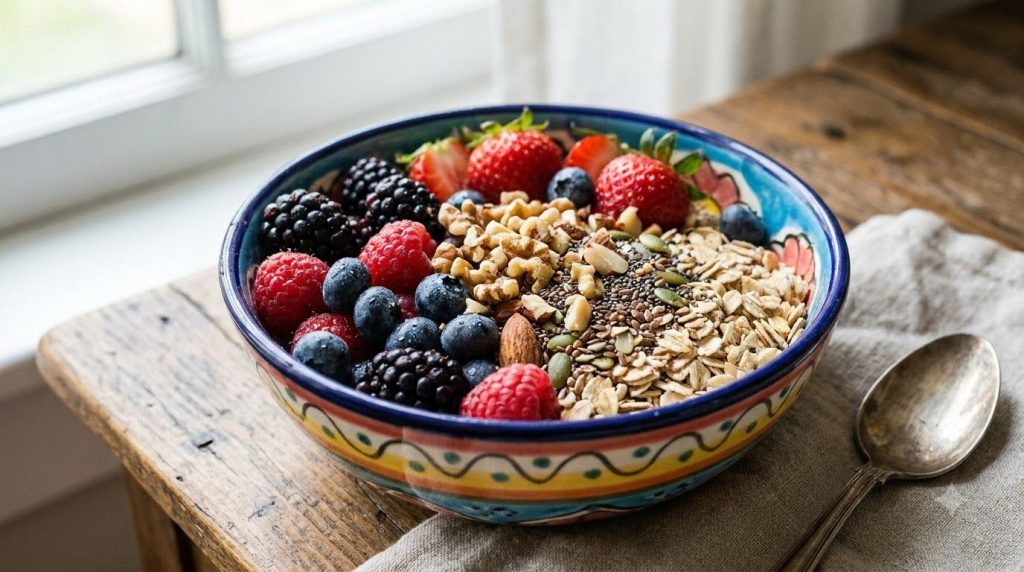
- Start Your Day with Fiber: Choose whole-grain cereals, oatmeal, or add fruit to your yogurt for a fiber-rich breakfast.
- Embrace Whole Grains: Swap white bread and pasta for whole-wheat versions. Opt for brown rice, quinoa, and other whole grains.
- Eat More Fruits and Vegetables: Aim for at least 5 servings a day. Eat them with their skins on whenever possible (like apples and potatoes).
- Add Legumes: Incorporate beans, lentils, and chickpeas into soups, salads, and stews.
- Snack Smart: Reach for nuts, seeds, air-popped popcorn, or whole fruits as snacks instead of processed options.
- Read Food Labels: Look for products with at least 3 grams of fiber per serving.
- Increase Gradually: If you’re not used to a high-fiber diet, increase your intake slowly to avoid digestive discomfort.
- Drink Plenty of Water: Fiber needs water to work effectively, especially insoluble fiber. Stay hydrated!
FAQs About Fiber
What’s the main difference between soluble and insoluble fiber?
Soluble fiber dissolves in water to form a gel, helping to lower cholesterol and stabilize blood sugar. Insoluble fiber doesn’t dissolve, adding bulk to stool to promote regularity and digestive health.
Can I get too much fiber?
While fiber is beneficial, consuming excessive amounts too quickly can lead to gas, bloating, and discomfort. Gradually increase your intake and drink plenty of water to avoid these issues.
Which type of fiber is best for constipation?
Both types can help, but insoluble fiber is particularly effective for constipation as it adds bulk to stool, helping it move through the digestive tract more easily.
Which fiber helps with diarrhea?
Soluble fiber, due to its gel-forming properties, can help solidify loose stools and may be beneficial in managing some types of diarrhea.
Are fiber supplements useful?
Fiber supplements can be helpful if you struggle to meet your daily fiber needs through food. However, it’s always best to get fiber from whole foods, as they also provide other essential vitamins, minerals, and antioxidants.
How much fiber do I need daily?
Most adults should aim for 25 to 38 grams of fiber per day, but individual needs can vary. It’s best to consult a healthcare professional for personalized recommendations.
What are some easy ways to add more fiber to my diet?
Start by swapping refined grains for whole grains, adding a handful of berries to your breakfast, snacking on nuts, and including more beans and lentils in your meals. Remember to drink extra water too!
Conclusion
Understanding the difference between soluble and insoluble fiber empowers you to make smarter food choices that support your health from the inside out. Both types are essential for a happy gut, a healthy heart, stable blood sugar, and effective weight management. By incorporating a variety of fiber-rich foods into your diet and staying hydrated, you’re taking a significant step towards a healthier, more vibrant you.
Ready to explore more ways to boost your health through nutrition? Dive into our other articles for delicious recipes and expert advice!
This content is for educational purposes only and should not be considered medical advice. Consult a qualified healthcare professional for personalized dietary recommendations.