Are you looking to boost your health with smart food choices? Omega-3 fatty acids are a group of essential fats that play a crucial role in nearly every cell in your body. Often hailed as ‘super-nutrients,’ they’re vital for maintaining good health, yet our bodies can’t produce them on their own. This means we must get them from our diet.
This guide will dive deep into the world of Omega-3s, explaining why they matter, detailing their incredible health benefits, and most importantly, showing you the best food sources to easily incorporate into your daily meals. Get ready to nourish your body and enhance your well-being!
Why Are Omega-3s So Important?
Omega-3 fatty acids are a type of polyunsaturated fat. The three main types are Alpha-linolenic acid (ALA), Eicosapentaenoic acid (EPA), and Docosahexaenoic acid (DHA). While ALA is primarily found in plant-based foods, EPA and DHA are most abundant in fatty fish and seafood.
These essential fats are integral components of cell membranes throughout the body and affect the function of cell receptors in these membranes. They are the starting point for making hormones that regulate blood clotting, contraction and relaxation of artery walls, and inflammation. Because of these roles, Omega-3s have been studied extensively for their potential impact on various health conditions.
The Amazing Health Benefits of Omega-3s
Research suggests that regular intake of Omega-3s can offer a wide array of health advantages. Here are some of the key benefits:
- Heart Health: Omega-3s are well-known for their heart-protective properties. They may help reduce triglyceride levels, lower blood pressure, reduce the risk of irregular heartbeats, and slow the buildup of plaque in the arteries.
- Brain Function and Mental Health: DHA is a major structural component of the brain and eyes. Adequate Omega-3 intake is associated with improved cognitive function, memory, and may play a role in reducing the risk of conditions like depression and anxiety.
- Reduced Inflammation: Omega-3 fatty acids have powerful anti-inflammatory effects. They can help reduce chronic inflammation in the body, which is a driver of many diseases, including arthritis, heart disease, and some cancers.
- Eye Health: DHA is a primary structural component of the retina of your eye. Getting enough Omega-3 may help prevent macular degeneration, which can cause vision impairment and blindness.
- Joint Health: For individuals with inflammatory joint conditions like rheumatoid arthritis, Omega-3s may help reduce joint pain and stiffness by lowering inflammation.
Best Ways to Eat Omega-3 Rich Foods
Incorporating Omega-3s into your diet is easier and tastier than you might think. Here are some of the best sources and how to enjoy them:
Fatty Fish and Seafood
These are the richest sources of EPA and DHA.
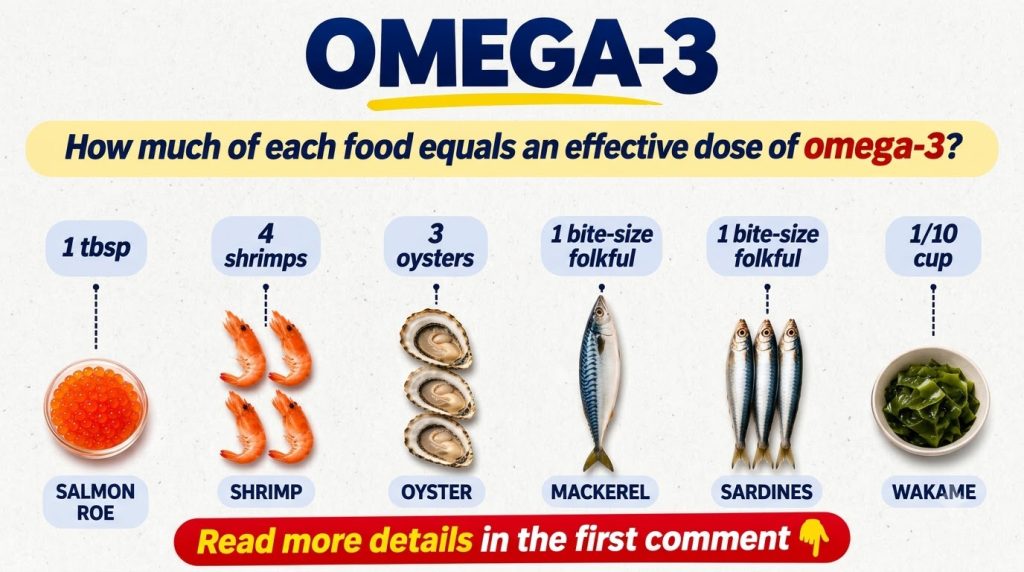
- Salmon: A versatile favorite! Enjoy baked salmon with herbs, grilled salmon salads, or in healthy salmon patties.
- Mackerel: Excellent baked, pan-seared, or smoked. Its robust flavor stands up well to strong seasonings.
- Sardines and Anchovies: Don’t let their small size fool you! These powerhouses are great on whole-grain toast, in salads, or as a pizza topping.
- Tuna (especially albacore and bluefin): While popular, be mindful of mercury content. Enjoy canned light tuna in moderation in sandwiches or salads.
- Oysters and Shrimp: A delicious addition to stir-fries, pasta dishes, or enjoyed on their own as an appetizer.
Plant-Based Omega-3 Sources (ALA)
For those who prefer plant-based options, ALA is abundant in these foods:
- Flaxseeds: Grind them and sprinkle on oatmeal, yogurt, or blend into smoothies.
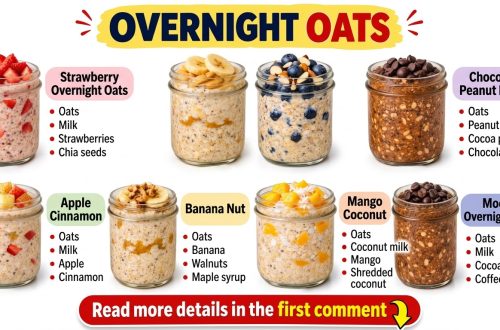
- Chia Seeds: Perfect for chia puddings, mixed into overnight oats, or as an egg substitute in baking.
- Walnuts: A great snack on their own, added to salads, or in baked goods.
- Soybeans and Edamame: Enjoy steamed edamame as a snack or add soybeans to stir-fries and soups.
- Algae Oil: A direct plant-based source of DHA and sometimes EPA, suitable for vegans and vegetarians.
Practical Tips for Boosting Omega-3 Intake
- Aim for Variety: Different sources offer slightly different nutrient profiles.
- Cook Smart: Grilling, baking, or broiling fish helps retain its Omega-3 content better than deep-frying.
- Read Labels: Look for foods fortified with Omega-3s, such as certain eggs, yogurts, or milk.
- Consider Supplements: If dietary intake is insufficient, talk to your healthcare professional about Omega-3 supplements, such as fish oil or algae oil.
Potential Risks and Considerations
While Omega-3s are incredibly beneficial, it’s important to be aware of a few considerations:
- Mercury in Fish: Some larger, longer-lived fish (like swordfish, shark, king mackerel, and tilefish) can accumulate higher levels of mercury. The Environmental Protection Agency (EPA) and Food and Drug Administration (FDA) provide guidelines for safe consumption, especially for pregnant women and young children.
- Blood Thinners: High doses of Omega-3 supplements may interact with blood-thinning medications, potentially increasing the risk of bleeding. Always consult your doctor before starting any new supplement.
- Oxidation of Oils: Omega-3 oils can be prone to oxidation, especially if not stored properly. Choose high-quality supplements and store oils in dark, cool places.
FAQs About Omega-3 Fatty Acids
Q1: How much Omega-3 do I need daily?
A: There isn’t a universally agreed-upon daily recommendation, but many health organizations suggest around 250-500 mg of combined EPA and DHA for healthy adults. Individual needs may vary, so consult a healthcare professional for personalized advice.
Q2: Can I get enough Omega-3s from a plant-based diet?
A: Yes, you can get ALA from plant sources like flaxseeds, chia seeds, and walnuts. However, the body’s conversion of ALA to EPA and DHA is inefficient. Vegans and vegetarians may consider algae oil supplements for direct EPA and DHA.
Q3: Are Omega-3 supplements better than food sources?
A: Food sources provide a wider range of nutrients beyond just Omega-3s. While supplements can be beneficial for those with insufficient dietary intake, getting Omega-3s from whole foods is generally preferred.
Q4: Does cooking destroy Omega-3s?
A: High-heat cooking methods can slightly reduce Omega-3 content, but most of it remains intact. Baking, grilling, and steaming are generally good methods for preserving Omega-3s in fish.
Q5: What are the signs of Omega-3 deficiency?
A: Symptoms of Omega-3 deficiency can include dry skin, dull hair, brittle nails, difficulty concentrating, and increased inflammation. If you suspect a deficiency, speak to your doctor.
Q6: Is fish oil the only Omega-3 supplement?
A: No, while fish oil is common, other sources include krill oil and algae oil. Algae oil is a popular vegan alternative as it directly provides EPA and DHA.
Conclusion
Omega-3 fatty acids are truly powerhouses for your health, offering significant benefits for your heart, brain, and overall well-being. By understanding their importance and knowing which foods are rich in these essential fats, you can make informed choices to nourish your body and live a healthier life. We encourage you to experiment with different Omega-3-rich foods and discover delicious ways to include them in your meals.
This content is for educational purposes only and should not be considered medical advice. Consult a qualified healthcare professional for personalized dietary recommendations.