Every gardener dreams of a lush, thriving space, vibrant with healthy plants and bursting with fresh produce. But what happens when common garden woes strike? Pests, diseases, and nutrient deficiencies can quickly turn your green dreams into a struggle. Before you reach for synthetic chemicals, consider the power of nature! At Garden – L. Quyên, we believe in empowering you with simple, effective, and organic solutions.
Welcome to your ultimate guide to creating a natural ‘first aid kit’ for your organic garden. These remedies are not only safe for your plants, pets, and the environment, but they also promote a healthier, more resilient ecosystem right in your backyard.
Why Choose Natural Remedies for Your Garden?
Opting for organic solutions goes beyond just avoiding chemicals. It’s about nurturing your soil, supporting beneficial insects, and creating a harmonious environment. Many common gardening problems can be addressed with ingredients you likely already have at home, making these solutions cost-effective and readily available. Plus, you’ll feel good knowing you’re growing truly healthy plants without harsh additives.
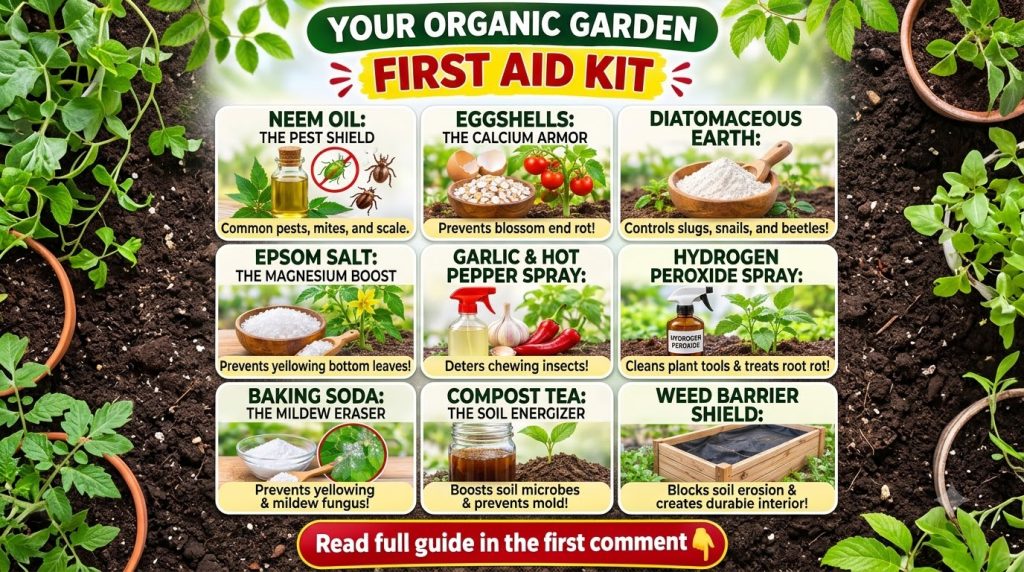
Essential Components of Your Organic Garden First Aid Kit
Let’s dive into some of our favorite natural remedies that every organic gardener should know.
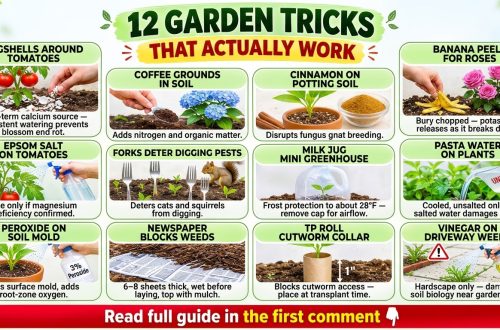
1. Coffee Grounds: The Secret to Lush Hydrangeas & Acid-Loving Plants
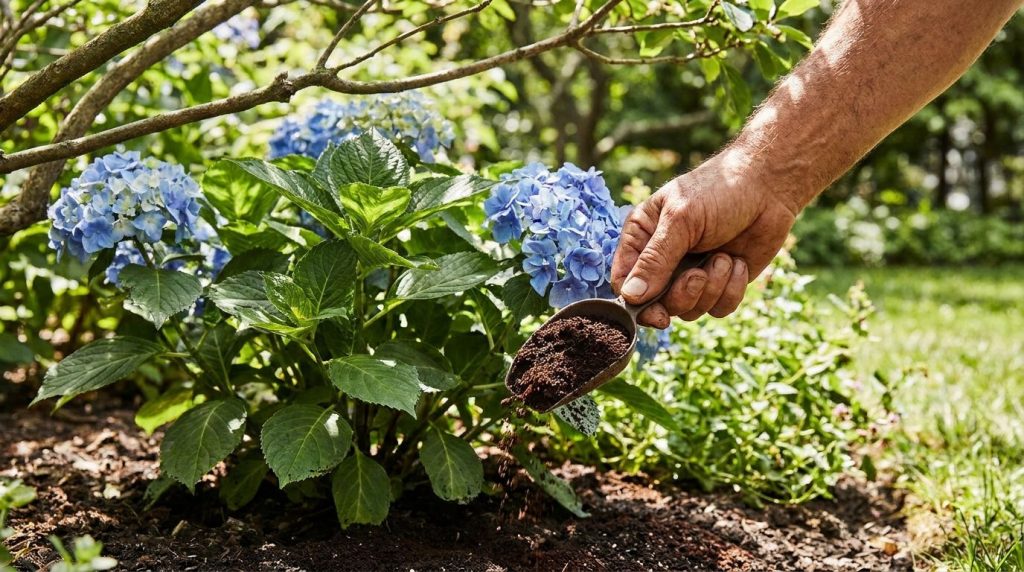
Love hydrangeas with vibrant blue blooms? Coffee grounds are your natural secret weapon! They are rich in nitrogen, magnesium, and potassium, and they gradually release acid into the soil, which is exactly what acid-loving plants like hydrangeas, azaleas, rhododendrons, and blueberries adore.
- How to Use: Simply sprinkle used coffee grounds around the base of your acid-loving plants, keeping them a few inches away from the stem. You can also mix them into the topsoil. For an extra boost, you can even steep used coffee grounds in water to create a ‘coffee tea’ for watering.
- Benefits: Encourages brilliant blue blooms in hydrangeas (if aluminum is present in soil), provides slow-release nitrogen for healthy foliage, and improves soil structure.
2. Neem Oil Spray: Your Organic Pest Defender
Neem oil, extracted from the neem tree, is a powerful organic pesticide and fungicide. It works by disrupting the feeding and growth cycles of many common garden pests.
- How to Use: Mix 1-2 tablespoons of cold-pressed neem oil with 1 teaspoon of mild liquid soap (as an emulsifier) per gallon of water. Spray thoroughly on all leaf surfaces, including the undersides, in the early morning or late evening to avoid burning foliage in direct sun and to protect beneficial insects.
- Targets: Aphids, spider mites, whiteflies, mealybugs, and powdery mildew.
3. Dish Soap Solution: Simple & Effective for Soft-Bodied Pests
For a quick and gentle solution against soft-bodied insects, a simple dish soap spray can work wonders.
- How to Use: Mix 1-2 tablespoons of mild, biodegradable liquid dish soap (avoid degreasers or antibacterial types) with 1 gallon of water. Spray directly onto affected plants, ensuring good coverage of the pests. Rinse plants with plain water after a few hours to prevent soap residue buildup.
- Targets: Aphids, thrips, spider mites, and scale insects.
4. Epsom Salts: A Magnesium Boost for Thirsty Plants
Epsom salts (magnesium sulfate) can provide a welcome boost of magnesium, especially for plants showing yellowing leaves between the veins, a common sign of magnesium deficiency.
- How to Use: Dissolve 1-2 tablespoons of Epsom salts in a gallon of water and use it to water your plants once a month. For foliar feeding, dissolve 1 tablespoon per gallon and spray on leaves.
- Benefits: Promotes greener foliage, stronger stems, and better flowering/fruiting.
5. Baking Soda Spray: Battling Fungal Foes
Baking soda is surprisingly effective against various fungal diseases, particularly powdery mildew.
- How to Use: Mix 1 tablespoon of baking soda with 1 teaspoon of horticultural oil (or mild dish soap) per gallon of water. Spray affected plants thoroughly, repeating every few days until the disease subsides. Test on a small area first to ensure no adverse reaction.
- Targets: Powdery mildew, black spot, and rust.
6. Compost Tea: Liquid Gold for Soil & Plants
Compost tea is a nutrient-rich liquid fertilizer that can significantly improve soil health and plant vigor by introducing beneficial microorganisms.
- How to Use: Fill a porous bag (like an old pillowcase or cheesecloth) with finished compost and steep it in a bucket of dechlorinated water for 24-48 hours. Stir occasionally. Dilute the strained ‘tea’ until it looks like weak iced tea and use it to water plants or as a foliar spray.
- Benefits: Boosts soil fertility, enhances plant immunity, and promotes robust growth.
Tips for Success with Your Natural First Aid Kit
- Observe Regularly: The key to organic gardening is early detection. Regularly inspect your plants for signs of stress, pests, or disease.
- Test First: Always test any new spray or treatment on a small, inconspicuous part of the plant first to ensure it doesn’t cause damage.
- Consistency is Key: Natural remedies often work best with consistent application rather than a single heavy dose.
- Prevention is Best: Healthy soil, proper watering, good air circulation, and choosing appropriate plants for your climate are your best defense against most problems.
- Target Application: Focus sprays directly on the pests or affected areas to minimize impact on beneficial insects and the environment.
By incorporating these simple, natural solutions into your gardening routine, you’ll be well-equipped to handle common challenges and ensure your organic garden thrives year-round. Happy gardening, and may your plants always flourish!