Nagging cough, tight chest, or that heavy feeling after being around pollution or smoke… many people look for a natural way to soothe their lungs.
In many Asian and tropical kitchens, one simple food keeps appearing in soups for the sick and the tired: taro root – the starchy tuber with big, heart-shaped leaves.
Most people never realize this everyday root can quietly support respiratory health, digestion, and immunity when you use it the right way.
What Taro Root Does Inside Your Body
Taro is more than just a comfort carb. When cooked well, it offers:
- Gentle, easy-to-digest energy
The starch in taro becomes soft and soothing after cooking, giving your body fuel without overloading your stomach. - Prebiotic fiber for the gut–lung connection
Taro contains soluble fiber that feeds good gut bacteria. A healthier gut can help regulate inflammation throughout the body, including the lungs. - Antioxidants that help defend tissues
The root and even the leaves contain antioxidants (such as polyphenols and vitamin E) that help neutralize free radicals created by pollution, smoke, and everyday stress. - Minerals for circulation and fluid balance
Potassium in taro supports healthy blood pressure and fluid balance, which indirectly benefits the heart and lungs as they work together.
Taro will not scrub your lungs clean overnight, but as part of a gentler diet it can support the tissues that are constantly exposed to the outside world.

Simple Preparation Methods for a “Lung-Friendly” Taro Dish
One important rule: never eat taro raw.
Raw taro contains needle-like calcium oxalate crystals that can irritate the mouth and throat. Proper cooking breaks these down and makes taro safe and soothing.
Here are easy ways to prepare it:
1. Steamed or Boiled Taro Chunks
- Peel taro thoroughly under running water.
- Cut into medium-sized cubes.
- Rinse once more to remove extra starch.
- Boil or steam for 20–30 minutes until very soft and tender.
- Lightly season after cooking if you wish.
This creates a bland, gentle base that is kind to sensitive digestion.
2. Taro Healing Soup
- Peel and cube taro.
- Add to a pot with water or broth.
- Simmer with simple aromatics you tolerate well.
- Cook until the taro breaks apart easily.
- Slightly mash some of the cubes into the broth for a creamy texture.
Warm, steamy soup moistens dry airways and makes breathing feel more comfortable, especially in cold or dusty environments.
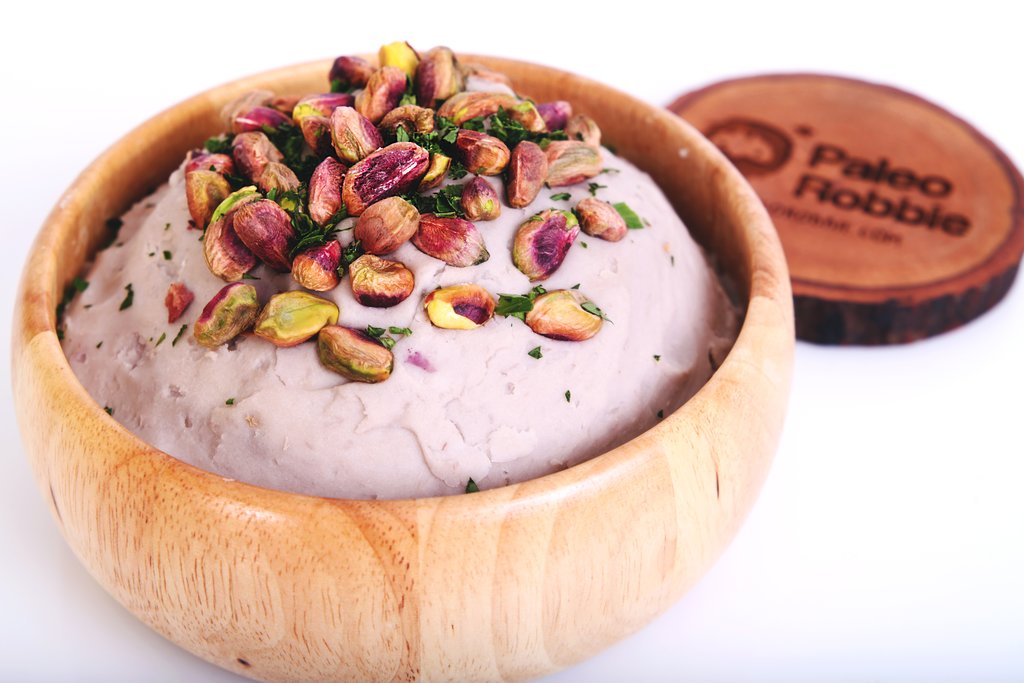
3. Taro Mash
- Boil peeled taro until very soft.
- Drain and mash like potatoes.
- Add a small amount of healthy fat if desired and season lightly.
This soft mash is gentle for people recovering from illness, when chewing and swallowing feel tiring.
When to Enjoy Taro for Respiratory Comfort
You can use taro like a warm, grounding food on days when your lungs feel strained:
- On cold, damp, or polluted days
A bowl of hot taro soup in the evening can feel calming for the chest. - During recovery from mild respiratory infections
When appetite is low, soft taro dishes provide energy without demanding too much from digestion. - After quitting smoking or cutting down
Taro will not erase past damage, but using it in soups, along with more vegetables and water, supports your body as it begins to repair.
Aim to enjoy taro 1–3 times per week in place of harsher fried or heavily processed foods.
Why It Works: Tradition Meets Modern Nutrition
In many traditional systems, taro and other root vegetables are seen as grounding foods that strengthen the body’s core and support fluids.
- In East-Asian styles of eating, taro soups are often served to people who are weak, recovering from illness, or dealing with chronic cough. The belief is that warm, easily digested roots help rebuild energy and nourish the lungs indirectly.
Modern nutrition gives us a clearer picture:
- Fiber in taro feeds beneficial gut bacteria. These bacteria produce compounds that help calm systemic inflammation, which can impact the airways.
- Antioxidants defend cell membranes from oxidative stress caused by pollutants and smoke.
- Complex carbohydrates release energy slowly, helping stabilize blood sugar and reducing inflammatory spikes.
So while taro is not a medicine, it fits beautifully into a lung-supportive lifestyle: warm foods, plenty of fluids, less processed food, and more antioxidants.
Safety, Side Effects & Who Should Be Careful
Taro is generally safe when cooked well, but keep these points in mind:
- Always cook thoroughly.
Raw or undercooked taro can cause an intense burning or itching sensation in the mouth and throat. - Watch portion sizes if you have diabetes or insulin resistance.
Taro is still a starchy food. Enjoy it in moderate portions alongside non-starchy vegetables and protein. - Kidney stone history?
Taro contains oxalates. If you are prone to certain types of kidney stones, talk with your healthcare provider and ensure good hydration. - Allergy or unusual reactions.
If you feel itching, swelling, or difficulty breathing after eating taro, stop and seek medical help.
Most importantly:
If you have asthma, COPD, a chronic cough, or you smoke, taro cannot replace inhalers, medications, or medical care. Think of it as supportive nourishment, not a cure.
When You Might Notice a Difference
With a realistic lens:
- Within a few days:
You may feel more comfortably full and notice that warm taro soup soothes your throat and chest after exposure to cold air or dust. - Within 2–4 weeks (paired with better habits):
Replacing some fried or refined foods with simple taro dishes can help digestion, energy, and overall inflammation. - Over months:
Combined with quitting smoking, moving your body, managing stress, and eating more plants, taro becomes part of the quiet background support for your lungs and whole body.
Final Takeaway
Taro root is not a magic sponge that wipes away dark spots from your lungs. But as a warm, easily digestible, antioxidant-rich food, it can gently support your respiratory system and overall health.
If your chest has been asking for a little kindness, try a simple taro soup night this week and see how your body responds.
Save this guide if you want to try taro later.