Pruning Essentials: Your November Perennial Guide!
As the vibrant hues of autumn fade and the chill of winter begins to settle in, many gardeners might think their outdoor tasks are done. But for those with beautiful perennial gardens, November brings an important opportunity: winter pruning! This essential task isn’t just about tidying up; it’s a vital step to ensure the health and vigor of your plants, promising a spectacular display of blooms next spring.
At Garden – L. Quyên, we believe in smart gardening that makes your life easier and your garden more beautiful. Let’s dive into why November is the perfect time to grab your pruning shears and give your beloved perennials the care they deserve.
Why November Pruning Matters for Your Perennials
You might be wondering, why prune now? Here are the key benefits of tackling this task before the deep freeze sets in:
- Disease Prevention: Removing dead or decaying foliage helps eliminate overwintering fungal spores and pests that could re-emerge in spring, giving your plants a fresh start.
- Pest Control: Many garden pests lay eggs or hide in spent plant material. Clearing this away reduces their population for the next growing season.
- Promotes Vigorous Spring Growth: By cutting back old stems, you redirect the plant’s energy towards root development and robust new growth come spring, leading to stronger plants and more prolific blooms.
- Aesthetics and Tidiness: A clean garden bed looks much better through winter and reduces the amount of work needed in spring.
- Enhances Air Circulation: Removing dense, old growth improves air flow, which further helps prevent diseases.
General Principles for Pruning Perennials
Before we look at specific plants, here are some universal tips to keep in mind:
- Wait for Frost: Generally, wait until after the first hard frost has caused the foliage to die back. This signals that the plant’s energy has returned to its roots for winter dormancy.
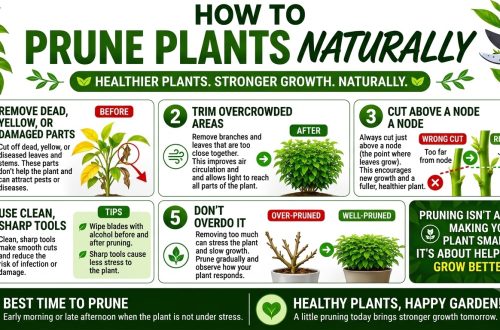
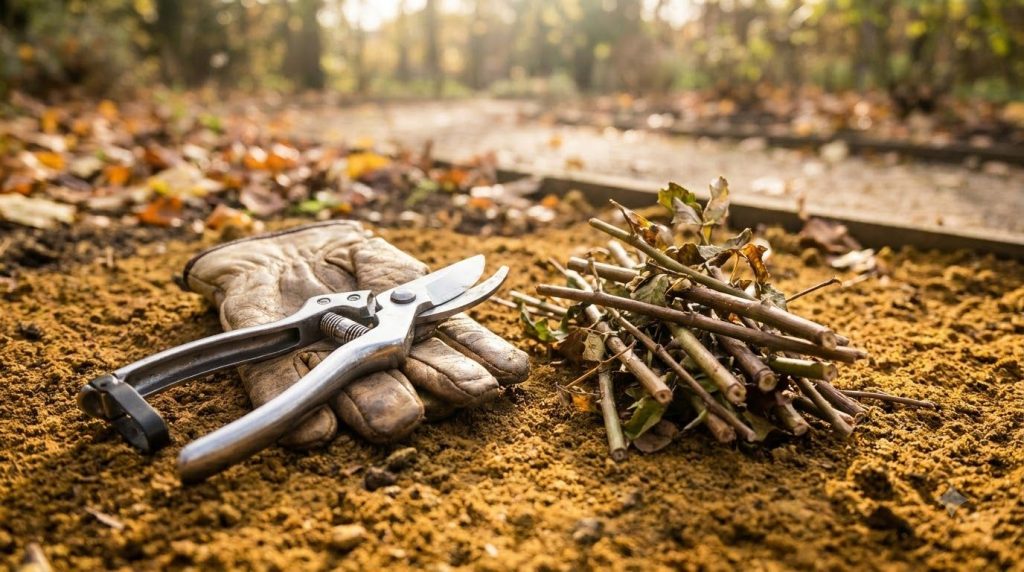
- Use Sharp, Clean Tools: Always use sharp bypass pruners or a sharp knife to make clean cuts. This prevents damage to the plant and reduces the risk of introducing diseases. Clean your tools with rubbing alcohol or a bleach solution between plants, especially if you suspect disease.
- Cut at the Base: For most perennials, you’ll be cutting stems back to about 2-4 inches from the ground, just above a healthy bud or crown.
- Remove All Debris: After pruning, rake up and dispose of all the cut foliage. Do not compost diseased plant material.
Your November Pruning Guide for Specific Perennials
Let’s get specific with some popular perennials that benefit from a November trim, many of which you might already have in your garden!
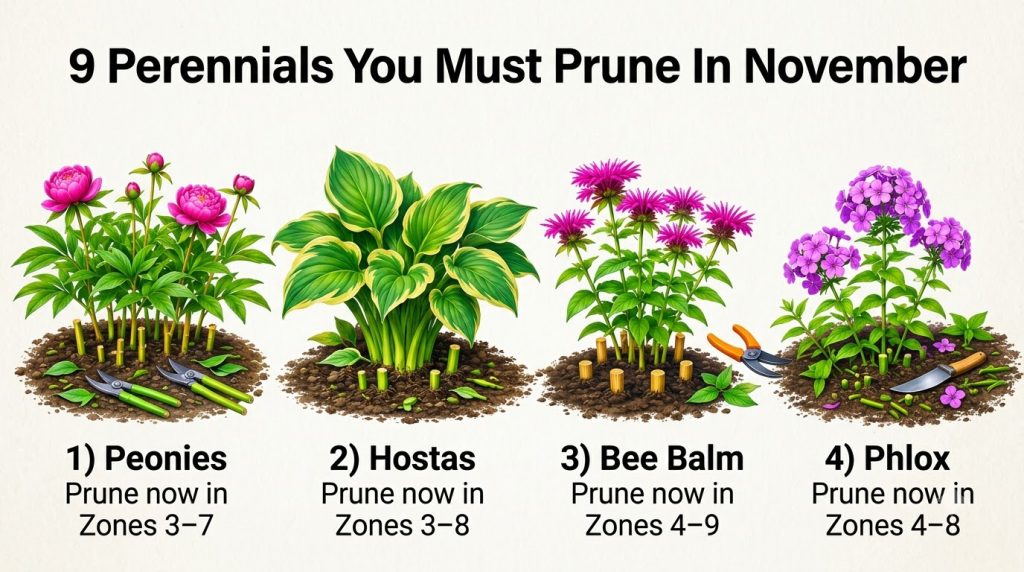
Peonies (Paeonia)
- When to Prune: After the foliage has been killed back by a hard frost, typically in late fall or early winter (November is perfect).
- How to Prune: Cut stems back to about 1-2 inches above ground level. Peony foliage can be a haven for botrytis blight, so removing it entirely is crucial for disease prevention.
Hostas (Hosta spp.)
- When to Prune: Once the leaves have turned yellow or brown and have collapsed from frost, usually late fall to early winter.
- How to Prune: Cut back all foliage to the ground. This helps remove slug and snail eggs that might be overwintering in the dead leaves, reducing pest problems for the next season.
Bee Balm (Monarda didyma)
- When to Prune: After flowering, usually late fall or early winter once the plant has died back from frost.
- How to Prune: Cut stems back to about 2-4 inches from the ground. This prevents powdery mildew, a common issue for Bee Balm, by improving air circulation and removing infected material.
Garden Phlox (Phlox paniculata)
- When to Prune: In late fall after frost has caused the foliage to die back.
- How to Prune: Cut stems back to about 2-4 inches above the ground. Similar to Bee Balm, this helps manage powdery mildew and keeps your plants looking tidy.
A Few More Tips for Winter Garden Prep
- Mulch: After pruning, consider adding a fresh layer of organic mulch (like straw, shredded leaves, or wood chips) around the base of your perennials. This insulates the soil, protects roots from extreme temperature fluctuations, and conserves moisture.
- Watering: If your region experiences a dry fall, give your evergreens and newly planted perennials a good deep watering before the ground freezes solid.
- Observe: Take a moment to observe your garden as you work. Note any areas that might need amending in spring, or identify spots for new additions next year.
Winter pruning is more than just a chore; it’s an investment in your garden’s future. By taking a little time this November, you’ll lay the groundwork for a healthier, more vibrant garden, bursting with life and color when spring arrives. Happy gardening!