Welcome back, fellow garden enthusiasts! If you’ve ever admired a lush, bountiful garden and wondered about its secret, a significant part of that magic lies in the art of post-bloom pruning. It’s not just about tidying up; it’s a crucial step in ensuring the health, vitality, and continued beauty of your flowering plants. Think of it as nature’s way of healing and rejuvenating, allowing your garden to flourish even more brilliantly.
Pruning right after your plants have finished their magnificent display of blooms might seem counter-intuitive to some, but it’s a practice that seasoned gardeners swear by. It’s an essential technique that paves the way for stronger growth, more vibrant flowers, and a healthier overall plant structure. Let’s dive into why this simple act can transform your garden into a more impressive spectacle!
Why Post-Bloom Pruning is a Game-Changer for Your Garden
Many plants put an incredible amount of energy into producing flowers. Once those beautiful blooms fade, the plant’s next natural inclination is to set seed. While some seeds are desirable, allowing all spent flowers to go to seed often diverts vital energy away from vegetative growth and future flowering.
- Encourages New Blooms: For many annuals and some perennials, removing spent flowers (known as deadheading) signals the plant to produce more flowers instead of seeds. This can significantly extend their blooming season.
- Promotes Stronger Growth: By removing old, faded flowers and weak, leggy stems, you redirect the plant’s energy towards developing stronger branches, healthier foliage, and a more robust root system.
- Maintains Plant Shape: Pruning helps to maintain the desired size and shape of your plants, preventing them from becoming overgrown or straggly. This is especially beneficial for shrubs and larger perennials.
- Improves Air Circulation & Health: Removing dead or diseased flower heads and stems improves air circulation within the plant, reducing the risk of fungal diseases and pest infestations.
- Rejuvenates Tired Plants: A good post-bloom prune can give a tired-looking plant a new lease on life, encouraging a fresh flush of growth and potentially a second round of blooms.
When to Grab Your Pruning Shears
The clue is in the name: post-bloom. The ideal time to prune is generally right after the flowers have faded and before the plant has a chance to fully develop seeds. This timing can vary greatly depending on the specific plant species.
- Annuals & Continuously Blooming Perennials: For plants like petunias, marigolds, zinnias, and many types of roses, deadhead regularly throughout their blooming season to encourage more flowers.
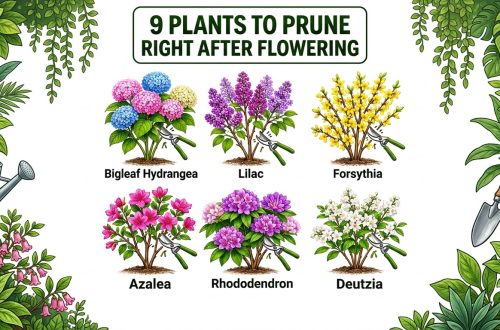
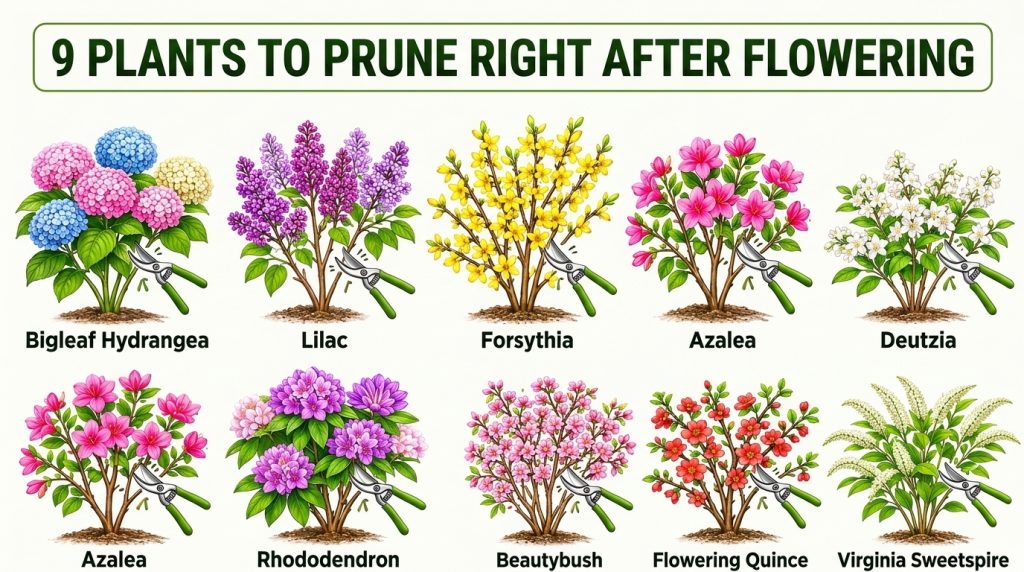
- Spring-Flowering Shrubs: For shrubs that bloom on old wood (like lilacs, forsythia, and some hydrangeas), prune immediately after their spring flowering. Pruning them too late in the season could remove next year’s flower buds.
- Summer-Flowering Perennials: Many summer bloomers, such as salvia, coneflowers, and phlox, benefit from deadheading to encourage reblooming or to tidy their appearance.
Always do a little research on your specific plant varieties to confirm the best pruning schedule.
How to Prune for Optimal Results
Proper pruning techniques are key to avoiding damage and maximizing the benefits. Here are a few general tips:
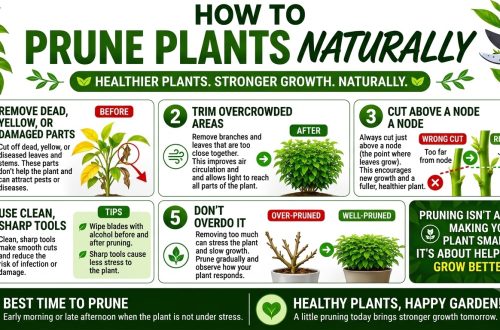
- Use Clean, Sharp Tools: Always use sharp pruning shears, bypass pruners, or loppers. Clean your tools before and after use with rubbing alcohol or a bleach solution to prevent the spread of diseases.
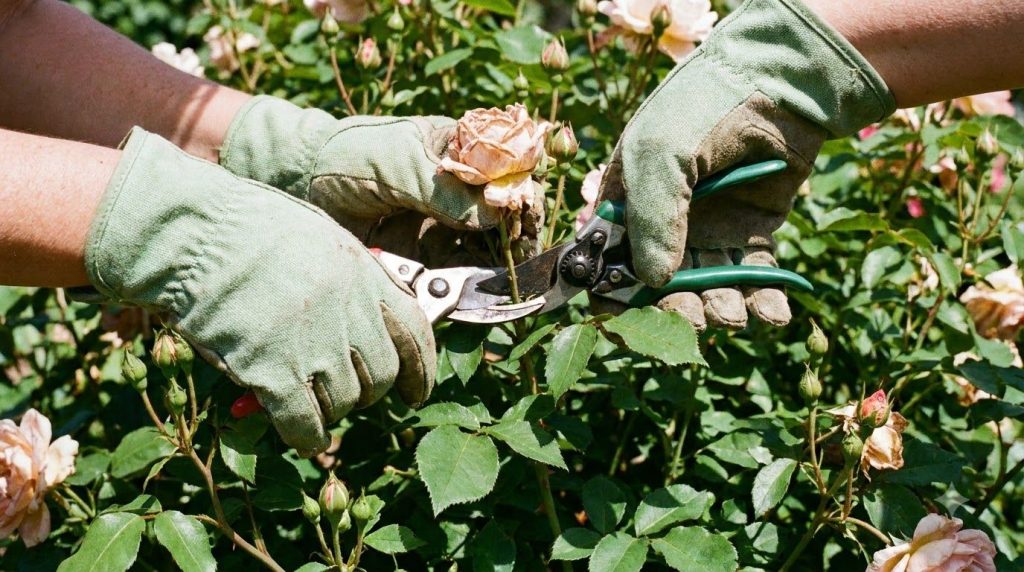
- Make Clean Cuts: Cut at a 45-degree angle, about 1/4 inch above a leaf node, a healthy side branch, or a strong outward-facing bud. This encourages new growth in the desired direction.
- Remove Spent Flowers: For deadheading, simply snip off the faded flower head just above the first set of healthy leaves or a lateral bud.
- Shape and Thin: Step back and observe the plant’s natural shape. Remove any weak, crossing, or diseased branches. Thin out overcrowded areas to improve air circulation.
- Don’t Overdo It: Generally, avoid removing more than one-third of the plant’s total growth at one time, as this can stress the plant.
Embrace Nature’s Healing Touch
Post-bloom pruning is more than just a chore; it’s an act of care that allows your plants to heal, regroup, and prepare for their next growth spurt or flowering cycle. By understanding the ‘why’ and ‘how,’ you’re not just maintaining your garden, but actively participating in its evolution, encouraging it to reach its fullest potential. So, grab your shears, step into your garden, and let the rejuvenation begin!
What are your go-to plants for post-bloom pruning? Share your tips and experiences with us!