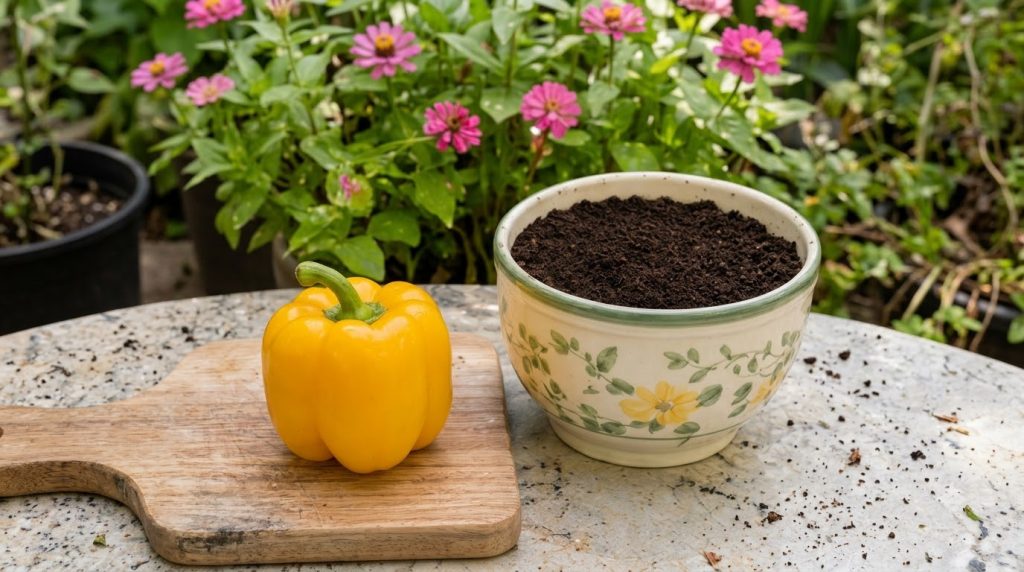
Bell peppers are a favorite in kitchens and gardens alike, and many home cooks wonder whether a leftover pepper can become a new plant. Growing bell peppers at home is very doable, but the most dependable starting point is the seeds inside the pepper rather than the base or stem. In this guide, you will learn what works, what to expect, and how to get your own pepper plants started.
Why Bell Peppers Are Great for Home Gardens
Bell peppers are colorful, versatile, and rewarding to grow. A single healthy plant can produce a steady harvest over the warm months, and fresh peppers taste noticeably better than store-bought ones. They also fit well in containers, raised beds, and sunny corners of a balcony, which makes them a good choice for beginners and experienced gardeners alike.
Can You Regrow a Pepper From Its Base?
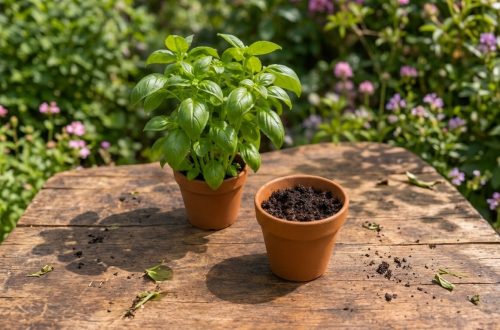
Many short videos show a pepper base or stem placed in water or soil in hopes of sprouting a new plant. Unlike herbs such as basil or mint, which often root easily from cuttings, peppers rarely develop reliable roots from the base of the fruit. The result is often disappointing, so it is better to focus on seeds for a dependable outcome.
Step-by-Step: Starting Bell Peppers From Seeds
-
Choose a healthy, ripe pepper from your kitchen or market, preferably one that is firm and free of mold or soft spots.
-
Cut the pepper open and gently scoop out the seeds. Rinse them lightly to remove any pulp.
-
Spread the seeds on a paper towel and let them dry for about five to seven days in a warm, airy spot away from direct sun.
-
Fill small pots or seed trays with a light seed-starting mix. Plant seeds about one-quarter inch deep and keep the soil evenly moist.
-
Keep the containers warm, ideally around 70 to 80 degrees Fahrenheit, and place them under bright light as soon as seedlings appear.
-
Allow about eight to ten weeks of indoor growth before moving young plants outdoors, after the danger of frost has passed.
Caring for Your Young Pepper Plants
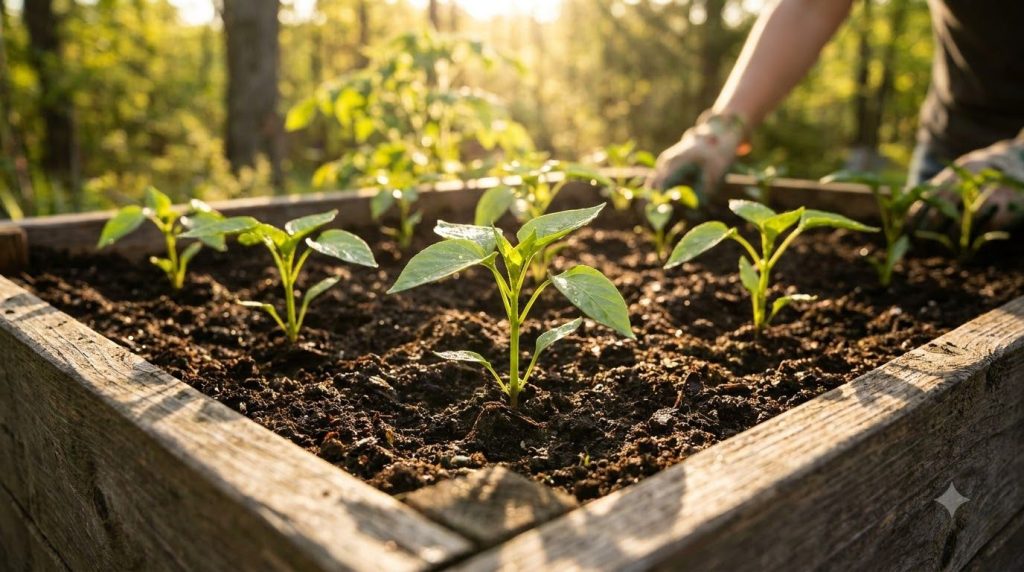
Healthy peppers need a few simple conditions to thrive. Good care makes the difference between a weak seedling and a productive plant.
- Give plants bright light for most of the day, or use a grow light if your home is dim.
- Water consistently so the soil stays lightly moist, but never soggy.
- Choose a sunny spot that receives at least six to eight hours of direct sun once outdoors.
- Use rich, well-drained soil, and consider adding compost for steady nutrients.
- For containers, pick a pot at least five gallons in size to give roots room to grow.
Common Problems to Watch For
Even well-cared-for peppers can face challenges. Aphids and spider mites may appear on leaves, so check plants regularly and rinse pests away with water. Overwatering can lead to root problems, while underwatering can cause blossom drop. Observing your plants often helps you catch issues early and keep them healthy.
Tips for a More Sustainable Pepper Garden
Growing peppers can fit neatly into a greener lifestyle. Save seeds from your best fruits for future seasons, add kitchen scraps to a compost pile to enrich your soil, and use mulch to conserve moisture. These simple habits reduce waste and build a healthier garden over time.
Final Thoughts
Growing bell peppers from kitchen scraps is a rewarding project, and the seed method gives you the best chance of success. Start with a healthy pepper, give your seedlings plenty of light and warmth, and enjoy the satisfaction of harvesting your own fresh produce. Happy growing!