If you feel puffy after meals, sluggish in the afternoon, or “stuck” when you wake up, your gut is waving a little flag for help.
The good news: you don’t need extreme cleanses. A few gentle digestion foods spread through your day can keep things moving, comfortable, and calm.
Below are the 12 foods and how to use each one to support smoother digestion from breakfast to bedtime.
1. Papaya – Natural Enzymes
Papaya is rich in papain, a digestive enzyme that helps break down protein.
- Why it helps: Supports your stomach when you’ve had heavier meals (meat, eggs, beans).
- How to use it: Eat a small bowl of ripe papaya after lunch or dinner, or blend it into a smoothie. Chew slowly to let the enzymes mix with your saliva.

2. Ginger – Motility Support
Ginger doesn’t just warm you up; it gently nudges food along your digestive tract.
- Why it helps: Supports gut motility, reduces nausea, and can ease gas.
- How to use it: Simmer fresh slices in hot water for 5–10 minutes and sip after meals, or grate a little into soups and stir-fries.
3. Fennel – Anti-Gas Friend
The white bulb and seeds of fennel are classic bloat tamers.
- Why it helps: Contains compounds that relax the gut muscles and help gas move through.
- How to use it:
- Chew ½ teaspoon of fennel seeds after eating.
- Or slice fennel bulb thinly for salads and roasted veggie trays.
4. Kiwi – Actinidin Enzyme
Kiwi carries a special enzyme called actinidin plus plenty of fiber.
- Why it helps: Supports the breakdown of protein and improves stool bulk and softness.
- How to use it: Eat 1–2 kiwis with breakfast or as an evening snack. You can leave the skin on (well-washed) for extra fiber if you like the texture.
5. Zucchini – Low Residue Comfort
Zucchini is soft, watery, and easy to digest when cooked.
- Why it helps: Gives you vitamins and fiber without being heavy or rough on a sensitive gut.
- How to use it: Steam, sauté, or roast. Pair with a little olive oil and herbs as a gentle side dish when your stomach feels delicate.

6. Coconut Water – Hydration for the Gut
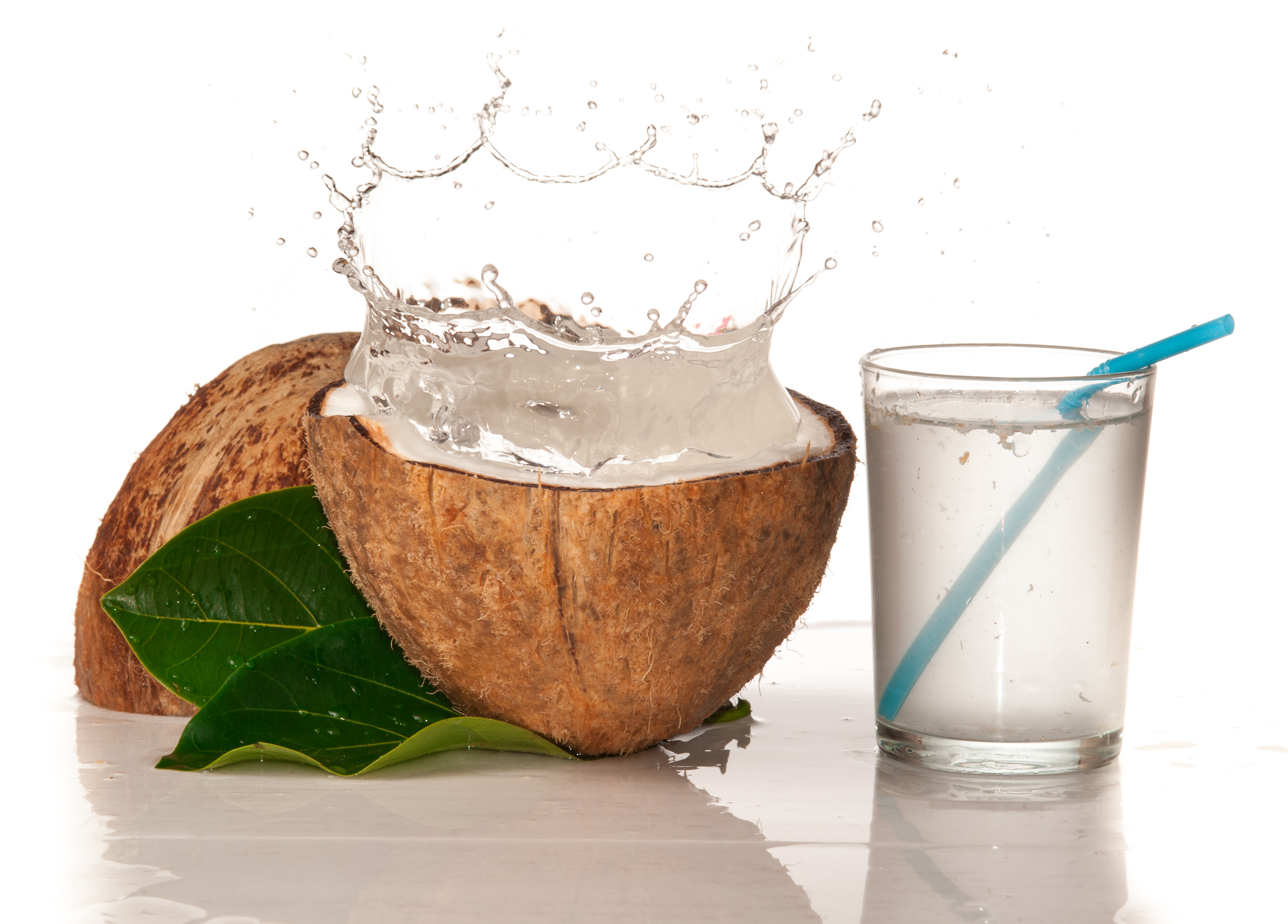
The “coconut” in the image points to coconut water’s hydrating power.
- Why it helps: Fluids + natural electrolytes support smooth bowel movements and overall digestion.
- How to use it: Sip a small glass between meals or after exercise. Choose unsweetened coconut water to avoid sugar overload.
7. Pear – Gut-Friendly Fiber
Pears provide both soluble and insoluble fiber, especially in the skin.
- Why it helps: Softens stool, feeds good bacteria, and helps you stay regular.
- How to use it: Eat a whole pear with the skin on, followed by a glass of water. Great as a mid-morning or afternoon snack.
8. Jasmine Tea – Soothing Warmth
Light, floral jasmine tea is gentle on the stomach.
- Why it helps: Warm liquids relax the digestive tract and can ease cramping or a “tight” belly.
- How to use it: Drink a cup after dinner or when you feel tense. Keep it unsweetened or lightly sweetened.
9. Cucumber – Cooling Hydration
Cucumber is mostly water with a bit of fiber and minerals.
- Why it helps: Hydrates the gut lining and can calm heat or irritation.
- How to use it: Add sliced cucumber to salads, snack plates, or infused water. Peel it if your gut is very sensitive.
10. Okra – “Gut Gel” for Glide
Okra becomes slightly slimy when cooked—and that’s a good thing.
- Why it helps: That gel-like texture (mucilage) coats and soothes the gut, helping stool move more easily.
- How to use it: Lightly sauté or stew okra instead of deep-frying it. Mix into soups, curries, or rice dishes.
11. Miso – Fermented Support
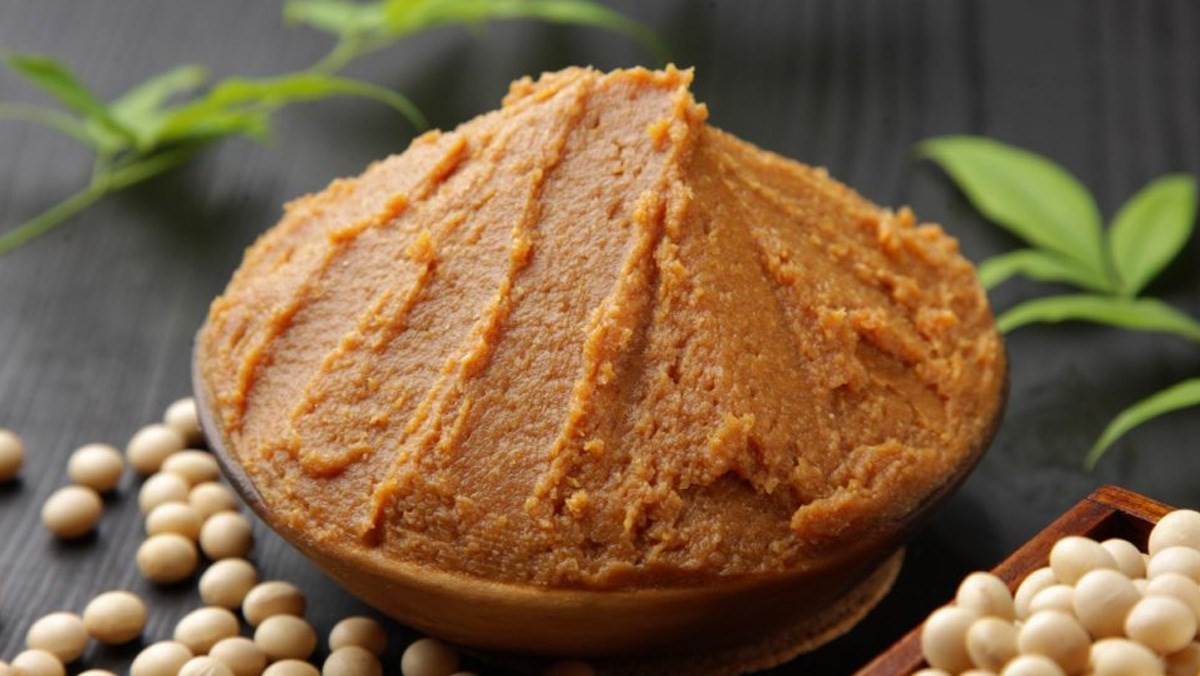
Miso is a paste made from fermented soybeans (sometimes with rice or barley).
- Why it helps: Fermented foods offer beneficial bacteria and compounds that support a balanced microbiome.
- How to use it: Stir a spoonful of miso into warm (not boiling) water or broth for a quick soup. Add it at the end of cooking so the beneficial microbes aren’t destroyed by high heat.
12. Lemon – Digestive Support
Lemon brings acidity, vitamin C, and a bright flavor that wakes up digestion.
- Why it helps: A little acidity can encourage stomach acid production and help fats break down.
- How to use it: Squeeze fresh lemon into warm water and sip before meals, or drizzle over veggies and salads.
If you have reflux or a sensitive stomach, keep lemon small and see how you feel.
How to Build a Daily Plate With These Foods
You don’t need all 12 every day. Rotate a few at each meal:
- Morning
- Warm lemon water
- Kiwi with yogurt or oatmeal
- A pear for mid-morning if you tend to be constipated
- Midday
- Zucchini and okra in soups or stir-fries
- Papaya for dessert if lunch is protein-heavy
- Afternoon / Evening
- Coconut water after work or a workout
- Ginger tea if you’re gassy or nauseated
- Fennel seeds or fennel salad with dinner
- Jasmine tea as a soothing night cap
- A few times per week
- Miso soup as a light meal or side for fermented support
- Cucumber slices in water all day for simple hydration
When You’ll Notice Changes
Realistic but encouraging timelines:
- Within hours:
- Ginger, fennel, jasmine tea, and warm lemon water can ease mild bloating or heaviness after a meal.
- Within 1–3 days:
- Papaya, kiwi, pear, okra, and good hydration often improve stool texture and ease.
- Within 2–4 weeks:
- Regular use of fiber + fermented foods (miso) may support a calmer, more predictable gut rhythm.
If you have severe pain, blood in the stool, ongoing diarrhea or constipation, sudden weight loss, or trouble swallowing, see a healthcare provider promptly – foods are helpers, not replacements for medical care.
Tips to Combine These Foods Effectively
- Pair enzymes (papaya, kiwi, lemon) with protein-heavy meals.
- Use hydrators (coconut water, cucumber, zucchini) on high-heat or stressful days.
- Keep soothers (ginger, fennel, jasmine tea, okra) on hand for bloat or cramping.
- Add fiber builders (pear) and ferments (miso) consistently rather than in big bursts.
Save this guide so you can build your own “smooth digestion” menu later.