When you hear about cutting down on sugar, your mind might immediately jump to obvious culprits like sodas, candy, and desserts. But what if we told you that many seemingly wholesome and ‘healthy’ foods in your pantry and refrigerator are secretly packed with added sugars? It’s a common misconception that hidden sugar lurks only in the most apparent sweet treats.
Understanding where added sugars hide is crucial for managing your intake and making informed dietary choices. These stealthy sweeteners can contribute to unwanted weight gain, energy crashes, and various health concerns over time. Many foods positioned as nutritious often contain surprising amounts of added sugar, impacting your health without you even realizing it.
In this article, we’ll pull back the curtain on common ‘healthy’ foods that frequently contain hidden sugars. You’ll learn what to look for, how to decode confusing food labels, and practical tips to reduce your sugar intake effectively. Get ready to rethink your grocery list and empower yourself with knowledge for a healthier lifestyle.
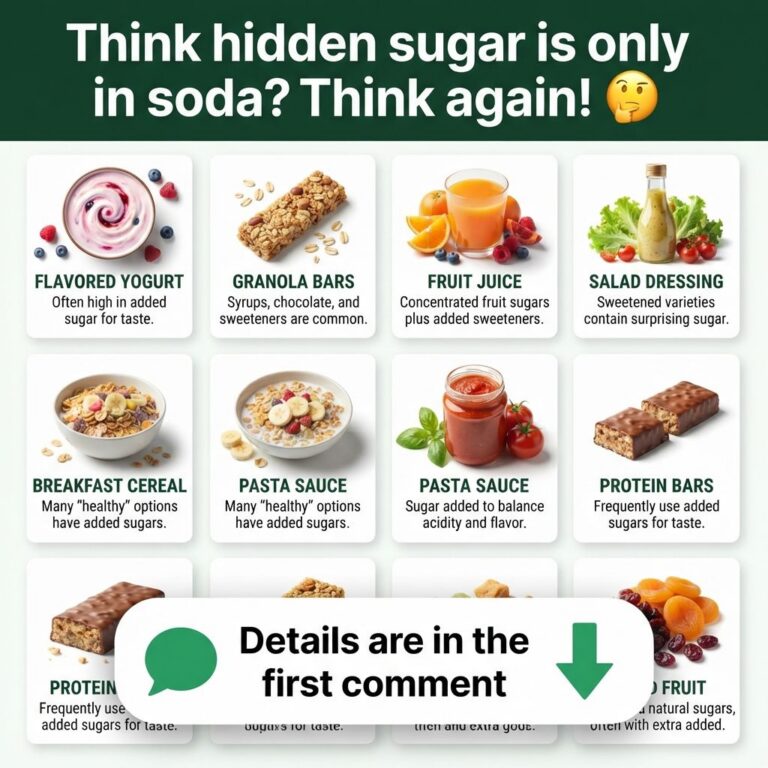
The Deceptive Sweetness: Where Hidden Sugars Lurk
It’s easy to assume that foods marketed for their health benefits are free from excessive sugar. However, food manufacturers often add sugar to enhance flavor, texture, and shelf life, even in products you wouldn’t expect. Let’s explore some of the most common culprits.
Flavored Yogurt
Yogurt is often celebrated for its probiotics and calcium, making it a staple in many healthy diets. However, flavored yogurts, especially those with fruit at the bottom or dessert-like flavors, can contain significant amounts of added sugar. A single serving can sometimes pack more sugar than a candy bar.
- Why it’s deceptive: Perceived as a healthy dairy product, good for gut health.
- What to look for: Check the sugar content on the nutrition label. Ingredients like ‘cane sugar,’ ‘fructose,’ ‘fruit juice concentrate,’ or ‘corn syrup’ indicate added sugars.
- Better choice: Opt for plain, unsweetened yogurt and add your own fresh fruit, a sprinkle of cinnamon, or a tiny drizzle of honey.
Granola Bars
Often touted as a convenient, on-the-go snack, many granola bars are essentially glorified candy bars. While they may contain oats and nuts, they frequently use syrups, chocolate chips, and dried fruits (often sugar-coated) that significantly increase their sugar content.
- Why it’s deceptive: Marketed as an energy-boosting, fiber-rich snack.
- What to look for: Sugars often appear early in the ingredient list, indicating a higher quantity. Be wary of ‘brown rice syrup,’ ‘glucose syrup,’ ‘invert sugar,’ and ‘molasses.’
- Better choice: Make your own granola bars with minimal added sweeteners, or choose bars with whole ingredients and less than 5 grams of sugar per serving.
Fruit Juice
While fresh whole fruit is packed with vitamins, fiber, and natural sugars, most commercially produced fruit juices lose much of their fiber during processing. This leaves behind concentrated fruit sugars, often with added sugars, turning them into drinks that behave similarly to soda in terms of sugar impact.
- Why it’s deceptive: Associated with ‘fruit’ and its health benefits, often seen as a healthy beverage.
- What to look for: Even 100% fruit juice, without added sugar, can lead to a rapid blood sugar spike due to the lack of fiber. Pay attention to serving sizes.
- Better choice: Eat whole fruits for their fiber content, or dilute fruit juice with water or sparkling water.
Salad Dressing
Salads are the epitome of healthy eating, but a seemingly innocent dressing can quickly turn your nutritious meal into a sugar trap. Many store-bought dressings, especially fat-free or low-fat varieties, use sugar to compensate for the flavor lost by reducing fat.
- Why it’s deceptive: Used on healthy meals, often seen as a minor condiment.
- What to look for: Ingredients like ‘high-fructose corn syrup,’ ‘sugar,’ ‘dextrose,’ or ‘maltodextrin’ are common.
- Better choice: Make your own dressing with olive oil, vinegar, herbs, and spices, or choose dressings with short, recognizable ingredient lists and no added sugars.
Breakfast Cereal
From colorful kid-friendly options to ‘healthy’ adult flakes, many breakfast cereals are loaded with sugar. Even those marketed with whole grains can be high in sugar, especially if they contain dried fruit, granola clusters, or frosting.
- Why it’s deceptive: Often promoted as a quick, nutritious start to the day.
- What to look for: Scan the ingredient list for multiple forms of sugar. Compare different brands and varieties.
- Better choice: Opt for plain rolled oats, shredded wheat, or unsweetened whole-grain cereals. Add fresh fruit and nuts for flavor and crunch.
Pasta Sauce
It might surprise you to find sugar in savory items, but many jarred pasta sauces contain added sugars to balance acidity and enhance flavor. This is particularly true for tomato-based sauces.
- Why it’s deceptive: A staple in healthy, home-cooked Italian meals.
- What to look for: Check for ‘sugar,’ ‘corn syrup,’ or ‘dextrose’ in the ingredient list.
- Better choice: Choose brands with no added sugar, or make your own simple tomato sauce at home.
Protein Bars
Designed for athletes or as a meal replacement, protein bars can be a convenient source of protein. However, many are packed with sugar alcohols and various forms of sugar to make them palatable, often mirroring the sugar content of a candy bar.
- Why it’s deceptive: Marketed for fitness and muscle recovery.
- What to look for: Examine the sugar content carefully. Ingredients like ‘cane syrup,’ ‘agave nectar,’ and ‘honey’ (though natural, still added sugar) are common.
- Better choice: Select bars with minimal ingredients, whole food components, and less than 5-8 grams of added sugar per bar. Real food snacks like nuts, seeds, or hard-boiled eggs are often superior.
Dried Fruit
While dried fruit can be a good source of fiber and nutrients, it’s a concentrated form of natural sugar. Many commercially dried fruits also have added sugars, like ‘sulfured fruit’ or ‘candied fruit,’ making them a very sugary snack.
- Why it’s deceptive: Comes from fruit, so assumed to be as healthy as fresh fruit.
- What to look for: Check the ingredient list for ‘added sugar,’ ‘sugar,’ or ‘syrup.’ Even without added sugar, portion control is key due to concentrated natural sugars.
- Better choice: Opt for unsweetened dried fruit in moderation, or better yet, enjoy fresh whole fruit.
Decoding Food Labels: Your Guide to Spotting Added Sugars
The key to identifying hidden sugars lies in becoming a savvy label reader. Food labels provide a wealth of information if you know where to look.
1. Check the Ingredient List: Ingredients are listed in descending order by weight. If sugar or any of its many aliases appear among the first few ingredients, the product is likely high in added sugar. Manufacturers often use multiple types of sugar so that no single one appears high on the list, a tactic called ‘sugar splitting.’
Common Aliases for Sugar:
- Brown rice syrup
- Cane juice/Cane sugar
- Corn syrup/High-fructose corn syrup
- Dextrose
- Evaporated cane juice
- Fructose
- Glucose
- Honey
- Malt syrup
- Maltose
- Molasses
- Sucrose
- Syrup (e.g., maple syrup, agave syrup)
2. Look at the Nutrition Facts Panel:
- Total Sugars: This includes both naturally occurring sugars (like in fruit or milk) and added sugars.
- Added Sugars: This specific line item tells you exactly how much sugar has been added during processing. The U.S. Dietary Guidelines recommend limiting added sugar intake to less than 10% of your daily calories.

Practical Tips for a Lower-Sugar Lifestyle
- Cook More at Home: Preparing meals from scratch gives you complete control over ingredients, including sugar.
- Read Labels Diligently: Make it a habit to check ingredient lists and the ‘added sugars’ line on every product you buy.
- Choose Unsweetened Varieties: Opt for plain yogurt, unsweetened cereals, and 100% whole grain bread.
- Rely on Natural Sweeteners (in Moderation): Use fresh fruit, a touch of stevia, or small amounts of honey or maple syrup when you need sweetness.
- Stay Hydrated with Water: Replace sugary drinks and juices with plain water, sparkling water with a lemon wedge, or unsweetened tea.
- Be Wary of ‘Fat-Free’ or ‘Low-Fat’ Labels: These products often compensate for reduced fat by increasing sugar.
- Gradually Reduce Intake: Your taste buds can adjust. Gradually cutting back on sugar will make overly sweet foods less appealing over time.
Frequently Asked Questions About Added Sugars
Q: Is all sugar bad for me?
A: Not all sugars are created equal. Sugars naturally present in whole fruits, vegetables, and plain dairy come packaged with fiber, vitamins, and minerals. Added sugars, however, provide calories without significant nutritional benefits and can contribute to health issues when consumed in excess.
Q: What’s the difference between natural sugar and added sugar?
A: Natural sugars are found inherently in foods like fruits (fructose) and milk (lactose). Added sugars are sweeteners that are put into foods during processing or preparation, such as table sugar, corn syrup, or honey. The nutrition label now differentiates between ‘Total Sugars’ and ‘Added Sugars.’
Q: How much added sugar is okay to consume daily?
A: The American Heart Association recommends no more than 6 teaspoons (25 grams) of added sugar per day for women and 9 teaspoons (36 grams) for men. For children, the recommendation is even lower.
Q: Can hidden sugars lead to weight gain?
A: Yes. Foods high in added sugars are often calorie-dense but lack fiber and protein, which are essential for satiety. This can lead to overeating, increased calorie intake, and ultimately, weight gain over time.
Final Thoughts
The journey to a healthier lifestyle often involves unraveling the complexities of our food system. Hidden sugars are a prime example of how easy it is to unknowingly consume ingredients that can undermine our wellness goals. By understanding where these sugars hide and how to identify them on food labels, you empower yourself to make better choices.
Remember, small changes add up. Start by scrutinizing a few categories of food you regularly consume, and gradually expand your awareness. Your body will thank you for making the conscious effort to choose whole, minimally processed foods and significantly reduce your intake of hidden sugars. Take control of your health, one label read at a time!
Medical Disclaimer
This article is for informational purposes only and does not constitute medical advice. Always consult with a qualified healthcare professional before making any significant changes to your diet or health regimen.