What you eat every day can either fuel or fight inflammation – making smart food choices vital for your well-being. Inflammation is your body’s natural response to injury or infection, a crucial defense mechanism. However, when it becomes chronic, it can contribute to a host of health issues, affecting everything from your joints to your energy levels.
Small, smart food choices can make a big difference in how your body feels and functions. Many common foods we consume regularly can unknowingly trigger or worsen inflammatory responses, while others are packed with powerful compounds designed to soothe and heal. Understanding this distinction is the first step towards a healthier, more vibrant you.
In this guide, we’ll explore the foods that may be silently contributing to inflammation and, more importantly, highlight the delicious, nutrient-dense options that can help you fight inflammation, speed up recovery, and boost your overall vitality.
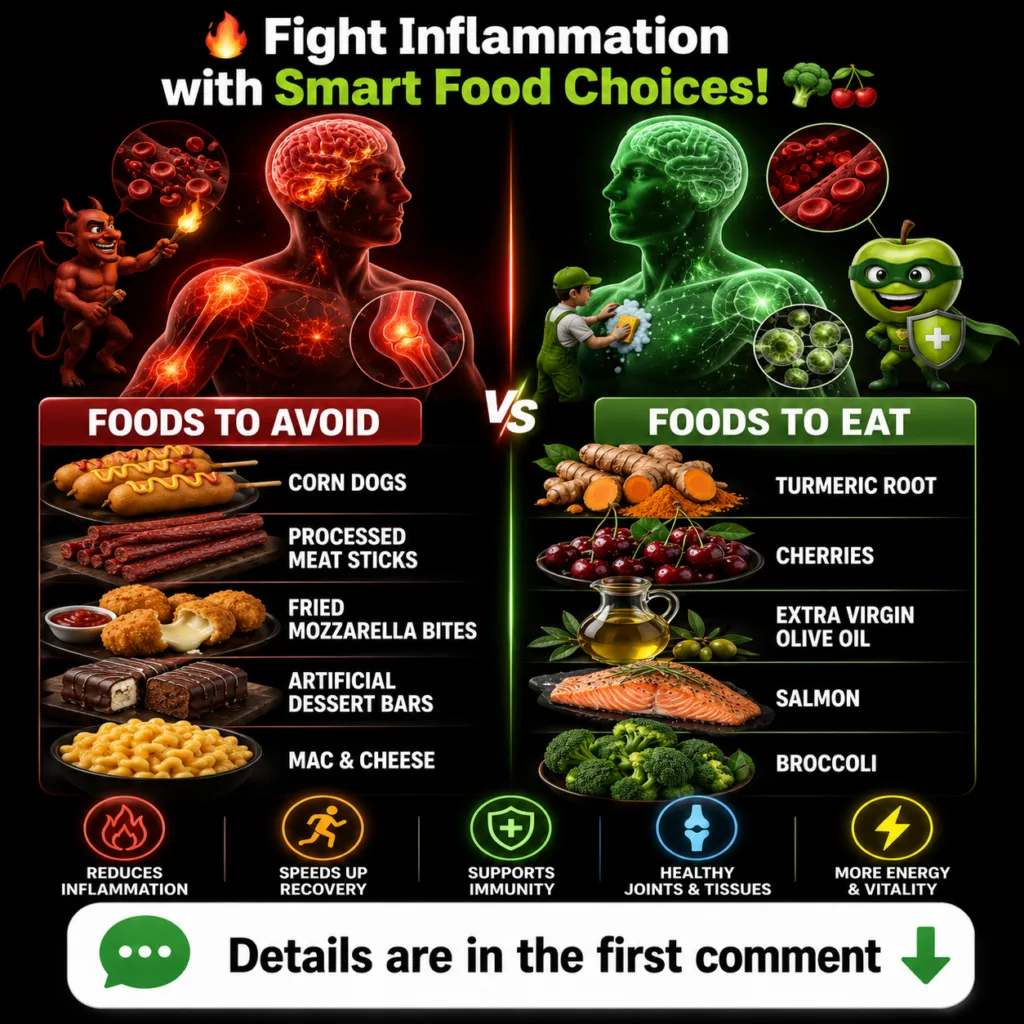
Understanding Inflammation: Your Body’s Silent Battle
Inflammation is not always a bad thing. Acute inflammation is a vital part of your immune system’s response to protect itself from harm, like when you cut your finger or fight off a cold. It’s a short-term process designed to heal. The problem arises with chronic inflammation – a persistent, low-grade inflammatory response that can linger for months or years.
This prolonged state can silently impact almost every system in your body, contributing to feelings of fatigue, joint discomfort, digestive issues, and a general sense of unease. Diet plays a pivotal role in managing this chronic state. By consciously choosing what goes on your plate, you hold the power to either calm or fan the flames of inflammation within you.
The Culprits: Foods That Fuel Inflammation
Certain foods, particularly those common in modern diets, can act as triggers, promoting an inflammatory response. Understanding which foods to limit or avoid is key to reducing your inflammatory load.
Highly Processed & Fried Foods
Many of our favorite convenience foods fall into this category. Items like corn dogs, fried mozzarella sticks, and various meat sticks are often laden with unhealthy fats, artificial ingredients, and high levels of sodium. The deep-frying process itself creates compounds that can contribute to inflammation.
- Trans Fats: Found in many fried and processed foods, these fats are notorious for increasing systemic inflammation.
- Advanced Glycation End Products (AGEs): Formed when foods are cooked at high temperatures (like frying), AGEs can accumulate in the body and contribute to oxidative stress and inflammation.
- Additives and Preservatives: Some artificial ingredients and preservatives found in highly processed meats and snacks may irritate the digestive system and trigger inflammatory pathways.
Sugary Treats & Refined Carbs
Dessert bars, sugary cereals, and even comforting dishes like mac & cheese, when made with refined flours and cheeses, can significantly contribute to inflammation. These foods cause rapid spikes in blood sugar, which can trigger an inflammatory cascade.
- Added Sugars: High intake of added sugars (sucrose, high-fructose corn syrup) is strongly linked to increased inflammatory markers in the body.
- Refined Grains: White bread, pasta, and other products made from refined flour are quickly broken down into sugar, causing similar blood sugar spikes and promoting inflammation.
- Unhealthy Fats in Desserts: Many dessert bars contain unhealthy fats and oils that further compound the inflammatory effect.
Your Plate, Your Power: Anti-Inflammatory Foods to Embrace
Thankfully, nature provides an abundance of delicious foods that are packed with anti-inflammatory properties. Incorporating these into your daily diet can help your body heal, recover, and thrive.
Powerful Spices: Turmeric
This vibrant yellow spice, often used in curry, contains curcumin, a compound with potent anti-inflammatory and antioxidant effects. It’s been studied for its potential to reduce pain and inflammation associated with various conditions.
- How to Incorporate: Add fresh or powdered turmeric to stir-fries, soups, smoothies, or make a soothing ‘golden milk’ latte. Pairing it with black pepper enhances curcumin absorption.
Bursting with Antioxidants: Cherries
Sweet and tart cherries are rich in anthocyanins, powerful antioxidants that give them their deep red color and contribute to their anti-inflammatory benefits. Studies suggest they may help reduce muscle soreness and inflammation.
- How to Incorporate: Enjoy fresh or frozen cherries as a snack, add them to oatmeal, yogurt, or blend them into smoothies. Tart cherry juice is also a popular option.
Healthy Fats: Extra Virgin Olive Oil
A staple of the Mediterranean diet, extra virgin olive oil (EVOO) is rich in monounsaturated fats and polyphenols, particularly oleocanthal, which has anti-inflammatory properties similar to ibuprofen.
- How to Incorporate: Use EVOO for salad dressings, drizzling over cooked vegetables, or as a finishing oil for soups and pasta. Choose high-quality, cold-pressed varieties.
Omega-3 Rich: Salmon
Fatty fish like salmon are excellent sources of omega-3 fatty acids, specifically EPA and DHA. These essential fats are crucial for reducing inflammation throughout the body and supporting heart and brain health.
- How to Incorporate: Aim for two servings of wild-caught salmon per week. Bake, grill, or pan-sear salmon, or enjoy smoked salmon in salads or on whole-grain toast.
Green Superfood: Broccoli
Part of the cruciferous vegetable family, broccoli is packed with vitamins, minerals, fiber, and potent antioxidants like sulforaphane. These compounds can help protect cells from damage and reduce inflammation.
- How to Incorporate: Steam, roast, or stir-fry broccoli. Add it to omelets, casseroles, or enjoy it raw with a healthy dip.
Beyond the Plate: The Holistic Benefits of an Anti-Inflammatory Diet
The impact of shifting towards an anti-inflammatory diet extends far beyond just reducing internal inflammation. These smart food choices contribute to a symphony of positive changes in your body and overall well-being.
Reduces Inflammation
This is the primary and most direct benefit. By lowering the systemic inflammatory load, you help your body move from a state of chronic defense to one of balance and repair. This can alleviate discomfort and improve your body’s natural healing processes.
Speeds Up Recovery
Whether it’s post-workout muscle soreness, recovery from illness, or general wear and tear, an anti-inflammatory diet can support faster and more efficient recovery. Nutrient-rich foods provide the building blocks your body needs to repair tissues and replenish energy.
Supports Immunity
A balanced immune system is crucial for fighting off pathogens. Chronic inflammation can suppress or misdirect immune function. By reducing inflammation, you help your immune system operate optimally, making you more resilient to illness.
Healthy Joints & Tissues
Inflammation is a major contributor to joint pain and conditions like arthritis. Foods rich in omega-3s, antioxidants, and phytonutrients help protect cartilage and connective tissues, promoting greater mobility and comfort.
More Energy & Vitality
When your body isn’t constantly battling inflammation, it conserves energy that can be redirected to other vital functions. This often translates to reduced fatigue, improved mood, better sleep, and a noticeable increase in overall energy and vitality throughout your day.
Making the Shift: Practical Tips for an Anti-Inflammatory Lifestyle
- Start Small: Don’t overhaul your entire diet overnight. Begin by replacing one pro-inflammatory food with an anti-inflammatory option each week.
- Read Labels: Be mindful of hidden sugars, unhealthy fats, and artificial ingredients in packaged foods.
- Cook at Home: Preparing your own meals gives you control over ingredients and cooking methods.
- Hydrate: Drink plenty of water throughout the day to support cellular function and detoxification.
- Listen to Your Body: Pay attention to how different foods make you feel. Your body often provides clues about what it needs.