Every gardener dreams of a garden that thrives with less effort. One of the most practical ways to get there is companion planting, the simple art of growing certain plants side by side so they support each other. Used well, it can help your vegetables and herbs stay healthier, attract helpful insects, and make better use of the space you have.
What Is Companion Planting?
Companion planting means choosing plant partners based on how they interact. Some plants may help repel common pests, some attract pollinators that boost flowering and fruiting, and some offer shade or ground cover that protects tender roots. The idea is not magic. It is a thoughtful way to design your beds so that plants work together rather than compete.
Why Gardeners Love This Approach
Companion planting fits naturally into an organic gardening routine. Instead of relying on harsh products, you lean on diversity, observation, and balance. It also encourages a more beautiful garden, since mixing flowers, herbs, and vegetables creates color and texture throughout the season.
Classic Companion Pairings to Try
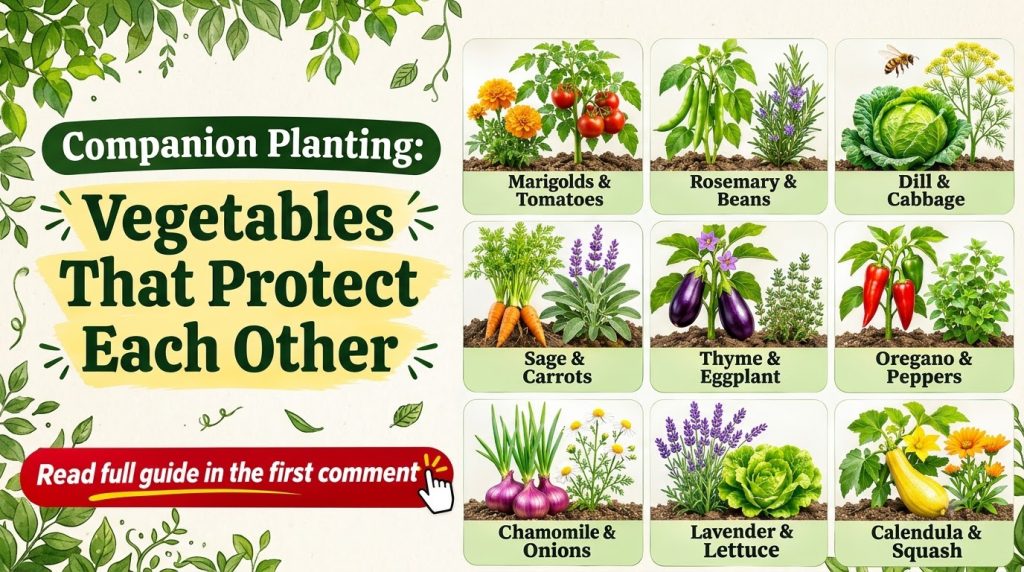
Many gardeners start with well-known combinations. Here are a few popular pairings that are easy to try in most home gardens:
- Marigolds and tomatoes: Marigolds are often planted near tomatoes as a colorful border, and many gardeners find they add cheerful blooms that attract beneficial insects.
- Dill and cabbage: Dill flowers draw pollinators and predatory insects, which can be helpful around leafy brassicas.
- Basil and peppers: Basil is a fragrant herb that pairs nicely with peppers in sunny beds and container setups.
- Carrots and onions: Interplanting these two can make efficient use of space, and many gardeners enjoy the tidy, layered look.
Tips for Planning Your Companion Garden
- Start small with two or three pairings so you can observe how plants respond.
- Check sunlight, water, and spacing needs before placing plants together, since partners should have similar growing conditions.
- Keep a simple garden journal to note what worked well each season.
- Rotate crops and refresh your soil with compost to keep the bed healthy over time.
Common Mistakes to Avoid
Companion planting is helpful, but it is not a guarantee against every problem. Overcrowding can reduce airflow and increase disease risk, so give each plant room to grow. Also avoid expecting instant results. Healthy soil, consistent watering, and regular inspection of leaves remain the foundation of a productive garden.
Bringing It All Together
Companion planting is an approachable way to grow healthier vegetables and herbs while building a richer, more balanced garden. Begin with a few classic pairings, pay attention to your plants, and let your garden teach you what it loves. With patience and a little planning, your beds can become a lively, productive space that you enjoy all season long.