Ancestral Nutrition: Whole Foods Worth Revisiting
Meta description: Explore ancestral nutrition, the whole foods like organ meats, seafood, and raw honey that many traditional diets relied on, and learn how to add them to modern meals.
Why Ancestral Foods Are Getting Attention
Many people today eat plenty of calories but still feel they are missing something. Packaged snacks and refined grains fill us up, yet they often offer fewer vitamins and minerals than whole foods do.
The idea behind ancestral nutrition is simple. It looks back at the kinds of foods people ate before modern processing took over. Think of animal foods, seafood, vegetables, fruits, nuts, and natural sweeteners.
This approach can be a helpful way to think about your plate. It encourages you to choose foods closer to their natural form.
Nutrient-Dense Foods to Consider
Nutrient-dense foods give you a lot of nutrition for the calories they provide. Here are some examples often discussed in ancestral eating.
Organ Meats
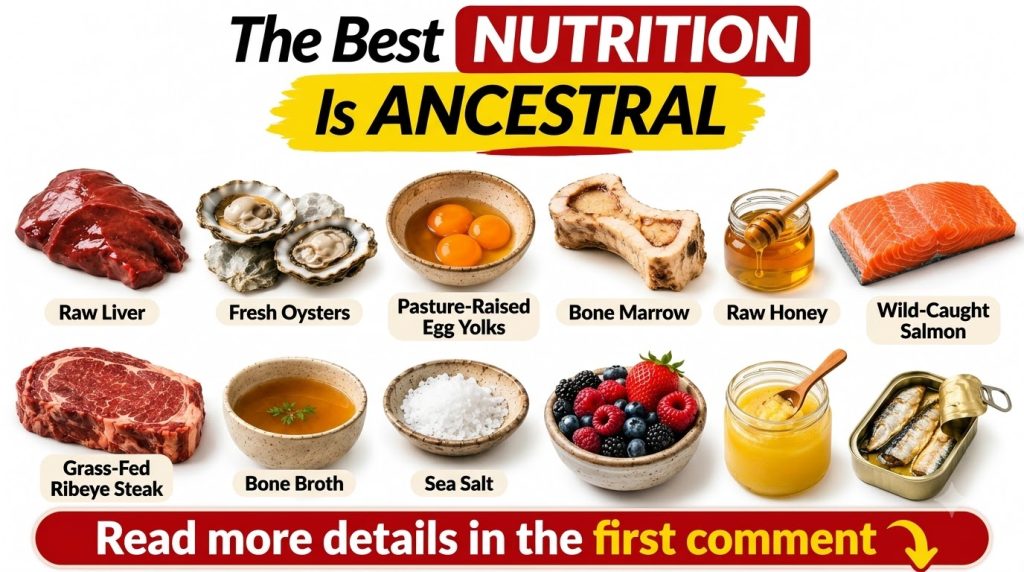
Liver and other organ meats are rich in vitamin A, iron, and B vitamins. Even a small amount can add a strong nutritional boost to a meal.
Seafood
Fish and shellfish provide protein and omega-3 fats. Oysters are also a notable source of zinc, a mineral that supports immune function and wound healing.
Egg Yolks
Egg yolks contain choline, vitamin D, and healthy fats. Choline supports brain and liver function, and many people do not get enough of it.
Bone Broth
Bone broth is a warm, savory liquid made by simmering bones for hours. It contains some minerals and gelatin, and many people enjoy it as a comforting drink or soup base.
Raw Honey
Raw honey is less processed than many sweeteners. It still counts as added sugar, so enjoy it in small amounts.
Ancestral Nutrition at a Glance
| Food | Main Nutrients | Easy Way to Enjoy |
|---|---|---|
| Beef liver | Vitamin A, iron, B vitamins | Mixed into ground beef or chili |
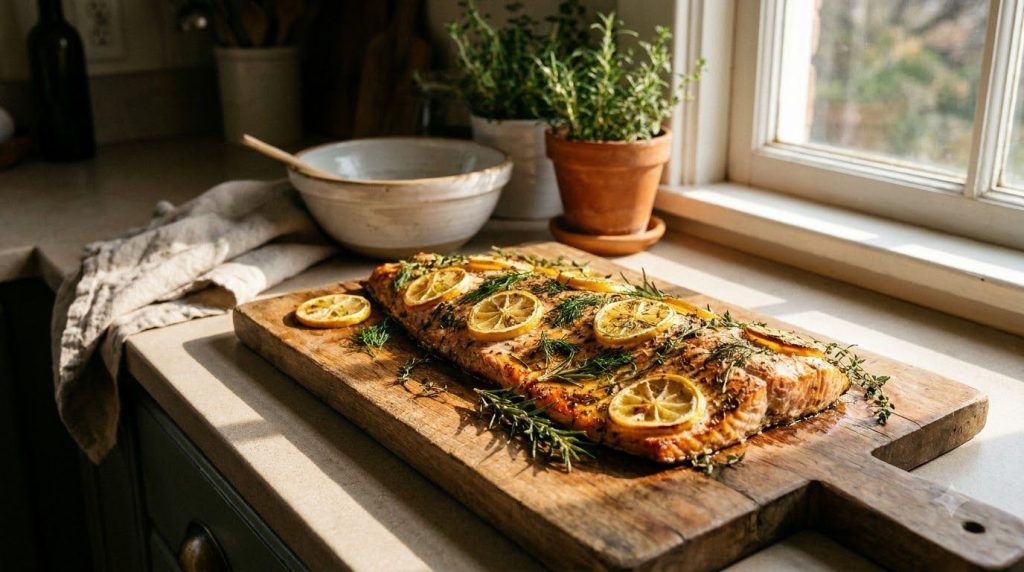
| Salmon | Protein, omega-3 fats, vitamin D | Baked with lemon and herbs |
| Oysters | Zinc, iodine, vitamin B12 | Grilled or added to a seafood stew |
| Egg yolks | Choline, vitamin D, healthy fats | Soft-boiled over greens |
| Bone broth | Minerals, gelatin, fluid | Sipped warm or used as a soup base |
| Raw honey | Natural sugars, small amounts of antioxidants | Drizzled over yogurt or oatmeal |
How to Add Ancestral Foods to Your Week
You do not need to change everything at once. Small steps are easier to keep.
- Pick one new food to try each week, such as salmon or eggs with the yolks intact.
- Mix finely ground liver into burgers, meatballs, or tacos for extra nutrients without a strong taste.
- Make a pot of bone broth on a weekend and freeze it in portions.
- Use honey in place of refined sugar in tea or dressings, and keep the amount small.
- Pair animal foods with colorful vegetables and fruits for a balanced plate.
Potential Risks and Things to Keep in Mind
Some ancestral foods need extra care. Liver contains high levels of vitamin A, so very large amounts can be harmful, especially during pregnancy. Shellfish can trigger allergies. Honey should not be given to infants under one year old because of the risk of botulism.
Seafood also varies in mercury levels. Choose a variety of fish, and check local advisories when you can.
Practical Tips for Getting Started
- Buy from trusted sources and choose fresh or properly stored seafood.
- Start with small portions to see how your body responds.
- Keep a mix of foods so you do not rely on one item too heavily.
- Cook at home to control salt, oil, and added sugar.
- Freeze extra bone broth and egg-based dishes for quick weekday meals.
Frequently Asked Questions
Is ancestral nutrition the same as the paleo diet?
They share many foods, but they are not identical. Ancestral eating is a broader idea that focuses on whole foods, while some paleo plans have stricter rules.
Do I need to eat organ meats every day?
No. Small amounts a few times a month can add variety. Many people enjoy them occasionally.
Is raw honey healthier than regular honey?
Raw honey is less processed, and it may contain small amounts of plant compounds. It still contains sugar, so it is best used in moderation.
Can ancestral foods help with energy?
Protein and iron-rich foods can support steady energy, especially when they are part of a balanced diet. Results vary from person to person.
Are oysters safe to eat?
Fresh oysters from reputable sellers are generally safe for most adults. People with shellfish allergies, liver conditions, or weakened immune systems should be cautious and talk with a doctor first.
Is bone broth a good source of protein?
Bone broth contains some protein and gelatin, but it is not a complete protein source on its own. Pair it with other protein foods for a more filling meal.
Do I need supplements if I eat these foods?
Whole foods are a good starting point, but supplements are only needed for specific gaps. Ask a healthcare professional before starting any supplement.
Conclusion
Ancestral nutrition reminds us that simple, whole foods can be deeply nourishing. Organ meats, seafood, eggs, bone broth, and raw honey each bring something useful to the table. Start small, cook at home, and enjoy the process. If you want more ideas, explore our guides on high protein breakfasts, nutrient-rich snacks, and easy seafood dinners.
This content is for educational purposes only and should not be considered medical advice. Consult a qualified healthcare professional for personalized dietary recommendations.