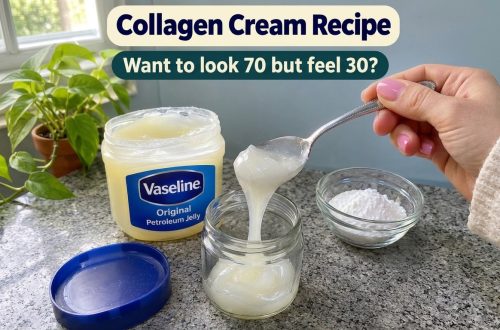
Who knew that unlocking your skin’s natural radiance could be this simple? Many people already have the basic ingredients for a homemade skin treat sitting in their bathroom or kitchen cupboard. This guide explains how a simple DIY glow recipe works, what to keep in mind before you try it, and how to get the most out of your routine without overdoing it.
Why These Everyday Ingredients Are Popular
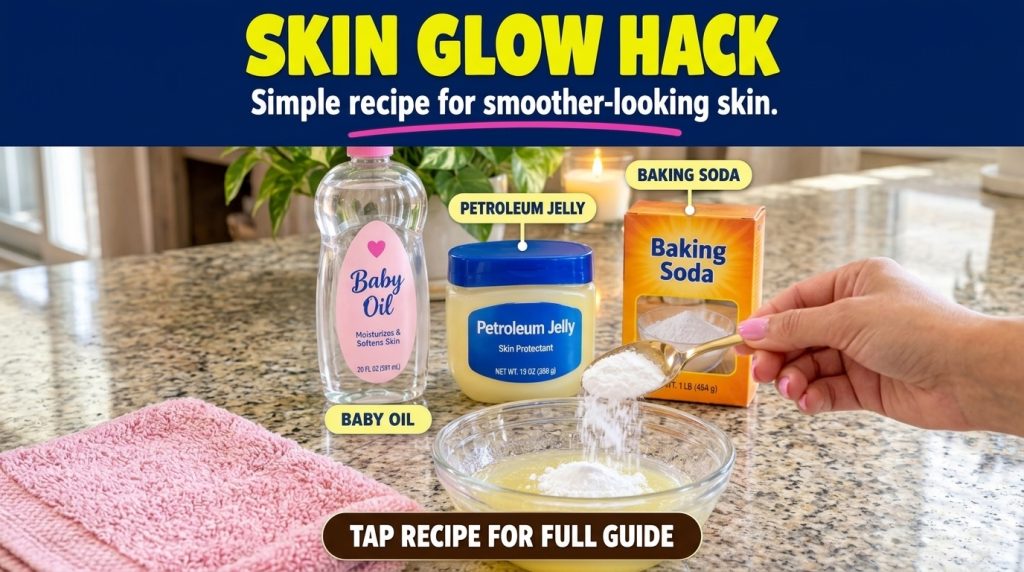
Simple home beauty routines often focus on three goals: softening the skin, keeping it hydrated, and gently removing dead skin cells. The ingredients in this recipe each play a different role. Baby oil and petroleum jelly are occlusive or emollient products that help lock moisture into the skin’s surface. Baking soda is a mild abrasive that can help loosen flaky, dull-looking skin when used very gently.
Because these products are inexpensive and easy to find, they have become a favorite topic in DIY beauty circles. Still, being common does not automatically make them suitable for every skin type, so it is worth understanding both the benefits and the limits before you begin.
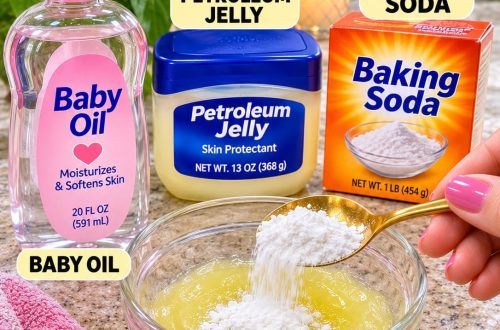
What You Will Need
- A small clean glass or ceramic bowl
- Petroleum jelly, used as a light moisturizing base
- Baby oil, for softness and slip
- Baking soda, used sparingly as a gentle exfoliant
- A clean spoon for mixing
- A soft cloth or towel for wiping away residue
Use clean tools and fresh ingredients every time. Avoid containers that have held other products, since leftover residue can change the texture and make the mixture harder to control.
A General Step-by-Step Approach
- Wash and dry your hands and the bowl thoroughly.
- Place a small amount of petroleum jelly into the bowl so you have a base to work with.
- Add a few drops of baby oil and stir until the mixture becomes smooth and easy to spread.
- Add only a very small pinch of baking soda and mix gently. Start with less than you think you need, because too much can feel harsh.
- Apply a thin layer to clean, dry skin, using slow circular motions and very light pressure.
- Leave it on for a short period as your skin feels comfortable, then rinse or wipe away with a soft, damp cloth.
- Moisturize afterward with your regular product to lock in hydration.
Adjust the amounts based on your skin’s comfort level. If the mixture feels too thick, add a little more oil. If it feels too gritty, skip the baking soda entirely for that session.
Safety Tips Before You Start
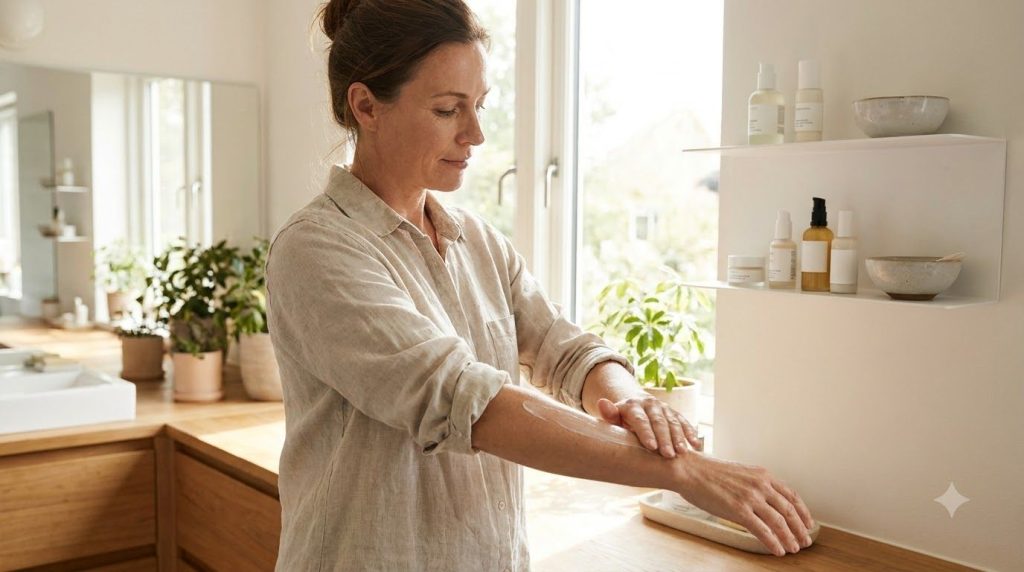
Patch testing is essential. Apply a small amount of the mixture to a discreet area, such as the inner forearm, and wait at least 24 hours to check for redness, itching, or irritation. If any reaction occurs, do not use the recipe.
- Do not use this mixture on broken, irritated, sunburned, or freshly waxed skin.
- Avoid the eye area and the delicate skin around the lips.
- Limit exfoliating steps to once a week, since baking soda can be drying with frequent use.
- Stop using the recipe if you notice stinging, burning, or lasting redness.
- Do not apply it to your face if you have acne-prone or highly sensitive skin without first speaking with a dermatologist.
Petroleum jelly and baby oil can also clog pores for some people, especially on the face. If you are prone to breakouts, consider reserving this treatment for areas such as elbows, knees, or heels.
Tips for Getting the Best Results
Consistency and gentleness matter more than strength. Many people find that a short, calm routine works better than a harsh scrub. Pair the treatment with good hydration, sun protection during the day, and a balanced diet to support healthy-looking skin over time.
Smoother-looking skin often comes from gentle care repeated consistently, not from one intense treatment.
Keep your expectations realistic. This recipe can help make skin feel softer and look more even in tone for the moment, but it does not replace medical treatment for skin conditions. If you have persistent dryness, dark spots, or other concerns, a dermatologist can recommend options that are tailored to your needs.
Final Thoughts
A simple DIY glow recipe can be a pleasant addition to a self-care routine when it is used carefully and with realistic expectations. Patch test first, keep the exfoliation light, and stop if your skin reacts. Share your own experience in the comments below, and tell us which home beauty hack you trust most.