Dreaming of a lush, vibrant garden but find yourself limited by space? You’re not alone! Many aspiring gardeners face the challenge of small balconies, patios, or compact backyards. But what if we told you there’s an ingenious way to maximize your growing potential and create a bountiful oasis, even in the smallest of spaces?
Enter vertical gardening – your secret weapon for transforming any tiny plot into a thriving green haven! This innovative approach allows you to grow plants upwards, utilizing vertical surfaces to cultivate everything from fresh herbs and vibrant flowers to delicious vegetables. Imagine unlocking the full potential of your space, boosting your yield, and enjoying a greener lifestyle.
What is Vertical Gardening?
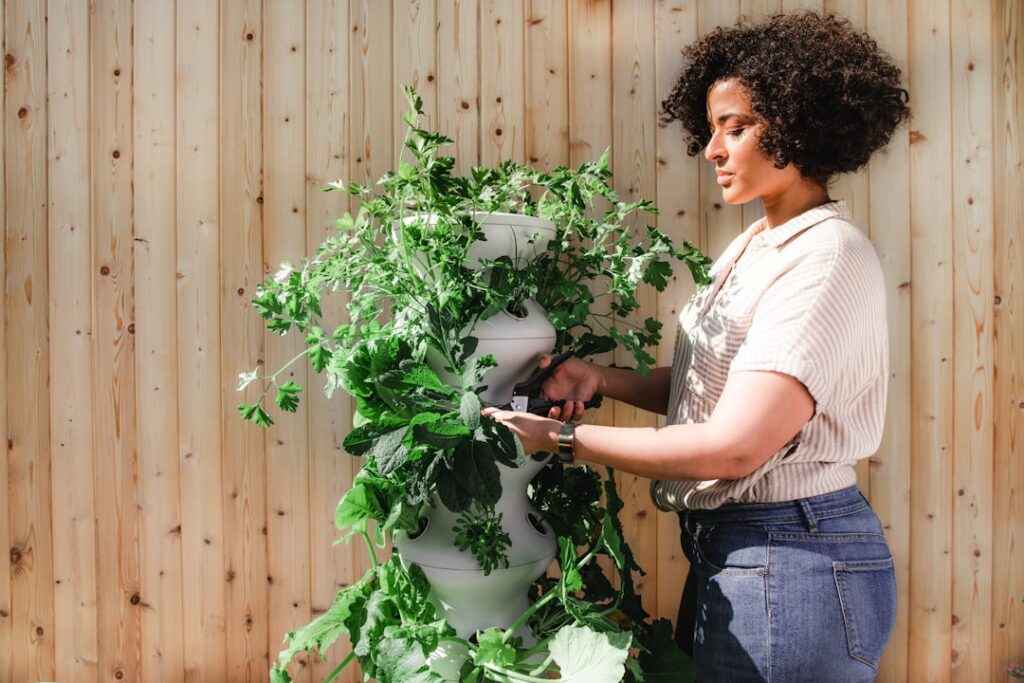
Vertical gardening is exactly what it sounds like: cultivating plants in a vertically suspended framework rather than horizontally across the ground. It’s a method that makes efficient use of limited ground space by going upwards. This can involve anything from simple trellises and stacked planters to complex living walls, all designed to maximize plant density and aesthetic appeal in a compact footprint.
Why Go Vertical? The Benefits of an Upward-Growing Garden
Beyond saving space, vertical gardens offer a host of advantages that make them a fantastic choice for any gardener:
- Space Efficiency: This is the most obvious benefit. Vertical gardens turn walls, fences, and railings into productive growing areas, perfect for urban dwellers or those with small outdoor spaces.
- Aesthetic Appeal: A well-designed vertical garden can be a stunning focal point, adding beauty, texture, and natural charm to any home or garden.
- Accessibility: Growing plants at eye level or waist height can make gardening easier for individuals with mobility challenges, reducing the need for bending and kneeling.
- Improved Air Circulation: Plants grown vertically often benefit from better air flow, which can help prevent fungal diseases.
- Reduced Pest Problems: Elevating plants can make them less accessible to ground-dwelling pests and can make inspection and treatment easier.
- Water Conservation: Many vertical systems are designed for efficient irrigation, often using drip systems that minimize water waste.
Nine Ingenious Vertical Growing Techniques to Try
Ready to start your vertical garden adventure? Here are nine fantastic techniques, ranging from simple DIY projects to more elaborate setups, perfect for transforming your balcony, patio, or a small corner into a thriving green space:
1. Stacked Planters or Tiered Gardens
These systems feature multiple planters stacked vertically, often in a pyramid or tower shape. They are excellent for growing herbs, strawberries, and smaller flowers. You can buy ready-made tiered planters or DIY them using various containers.
2. Living Walls (Pocket Planters)
Living walls use fabric pockets or modular panels attached to a vertical frame. Each pocket holds a plant, allowing you to create a lush wall of foliage and flowers. They are visually striking and great for a wide range of plants, from ornamentals to leafy greens.
3. Pallet Gardens
Repurposing old wooden pallets is a popular and cost-effective way to create a vertical garden. Simply stand a pallet upright, add landscape fabric or grow bags to the openings, and fill with soil and plants. Perfect for herbs and annual flowers.
4. Trellises and Arbors
A classic vertical gardening method, trellises and arbors provide support for climbing plants like cucumbers, beans, peas, tomatoes, and certain types of flowers such as morning glories or climbing roses. They encourage plants to grow upwards, saving ground space.
5. Hanging Baskets
While often overlooked as a