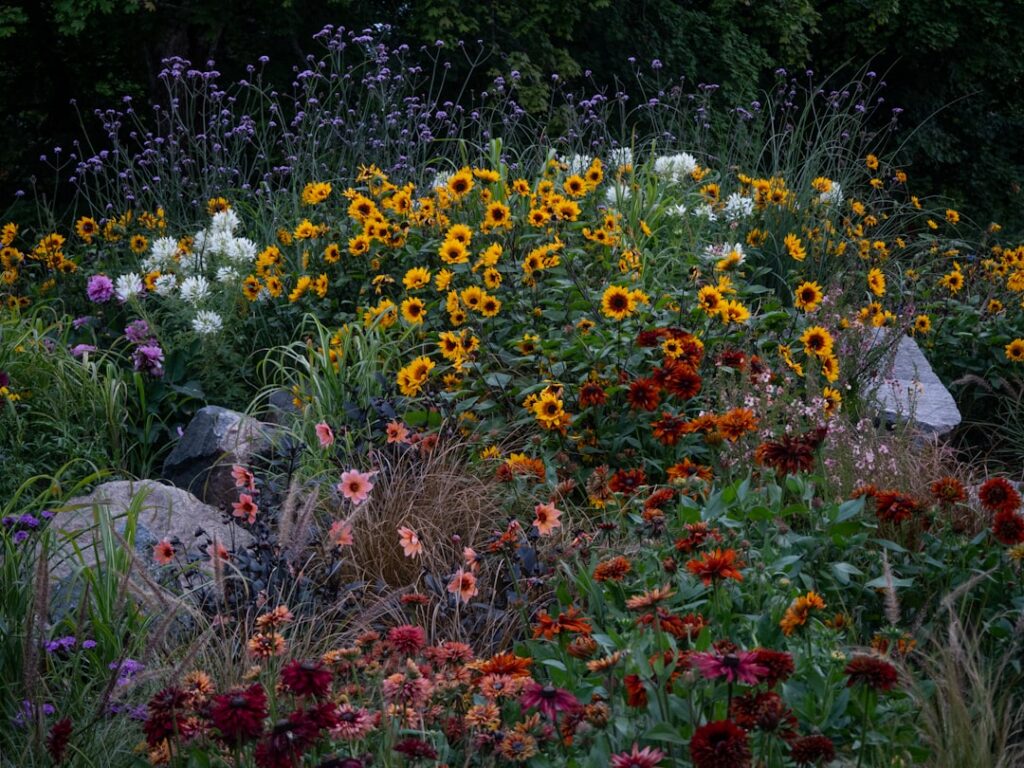
Ready to add a burst of sunshine to your garden? ☀️ Yellow perennials are truly a gardener’s secret weapon for vibrant, season-long color that’s surprisingly easy to achieve! Imagine cheerful Coreopsis dancing in the breeze or elegant Yellow Daylilies greeting you every morning. Yellow flowers bring unparalleled joy and warmth, transforming any landscape into a captivating, cheerful haven. If you’re looking to infuse your outdoor space with lasting brightness, this guide is for you. We’ve compiled a guide to 12 stunning yellow beauties perfect for making your landscape glow, ensuring your garden remains vibrant year after year.
Why Choose Yellow Perennials for Your Garden?
Yellow is the color of happiness, energy, and warmth. Incorporating yellow perennial flowers into your garden design offers numerous benefits:
- Season-Long Color: Many yellow perennials bloom from spring right through to fall, providing continuous cheer.
- Attract Pollinators: Bright yellow flowers are magnets for bees, butterflies, and hummingbirds, boosting your garden’s biodiversity.
- Versatility: From bright lemon to deep gold, yellow comes in many shades and suits various garden styles, from cottage gardens to modern landscapes.
- Easy to Grow: A significant number of yellow perennials are low-maintenance and remarkably resilient, perfect for both seasoned gardeners and beginners.
- Visual Impact: Yellow flowers stand out, creating focal points and making your garden feel brighter and more inviting.
Key Considerations for a Thriving Yellow Garden
Before diving into our list of sunny superstars, keep these general gardening tips in mind for optimal growth:
- Sunlight: Most yellow perennials thrive in full sun (at least 6 hours direct sunlight daily). Some prefer partial shade, which we’ll note.
- Soil: Well-draining soil is crucial. Amend heavy clay soils with compost to improve drainage and fertility.
- Watering: While many perennials are drought-tolerant once established, regular watering is essential during their first year and dry spells.
- Spacing: Give your plants enough room to grow to their mature size to ensure good air circulation and prevent overcrowding.
A Dozen Dazzling Yellow Perennials for Your Garden
Here are some of our favorite yellow perennial flowers that promise to bring endless sunshine to your garden:
1. Coreopsis (Tickseed)
- Description: Daisy-like flowers in shades of bright yellow, often with a darker center. They’re prolific bloomers and have a delicate, airy appearance.
- Care: Full sun, well-draining soil. Deadhead regularly for continuous blooms.
- Bloom Time: Early summer to fall.
2. Daylily (Hemerocallis)
- Description: Large, trumpet-shaped flowers on tall stalks. Available in countless yellow hues, from pale cream to deep gold.
- Care: Full sun to partial shade, adaptable to various soil types. Very tough and low-maintenance.
- Bloom Time: Late spring to late summer (depending on variety).
3. Rudbeckia (Black-Eyed Susan)
- Description: Iconic yellow petals surrounding a dark brown or black central cone. A classic garden flower for a reason!
- Care: Full sun, well-draining soil. Tolerant of heat and drought once established.
- Bloom Time: Mid-summer to fall.
4. Achillea (Yarrow)
- Description: Flat-topped clusters of tiny, cheerful yellow flowers atop feathery foliage. Excellent for meadow gardens and attracts beneficial insects.
- Care: Full sun, well-draining soil (prefers lean soil). Drought-tolerant.
- Bloom Time: Early summer to fall.
5. Sedum ‘Autumn Joy’ (and other yellow varieties)
- Description: While ‘Autumn Joy’ is pink/red, many other sedum varieties offer vibrant yellow flowers or foliage, like ‘Angelina’ which boasts brilliant chartreuse-yellow foliage. Some newer varieties also have yellow blooms.
- Care: Full sun, well-draining soil. Extremely drought-tolerant and low-maintenance.
- Bloom Time: Late summer to fall (for flowering varieties).
6. Hosta (Yellow-leafed varieties)
- Description: While primarily known for their foliage, many hosta varieties feature stunning chartreuse to golden-yellow leaves that brighten shady spots. Some also produce pale lavender or white flowers.
- Care: Partial to full shade, consistently moist, well-draining soil.
- Bloom Time: Summer (foliage color all season).
7. Lupine (Yellow varieties)
- Description: Tall, spiky flower stalks covered in pea-like flowers. Yellow varieties add a striking vertical element to the garden.
- Care: Full sun to light shade, well-draining, slightly acidic soil.
- Bloom Time: Late spring to early summer.
8. Gaillardia (Blanket Flower)
- Description: Bright, daisy-like flowers often with red centers, but pure yellow varieties are also available, bringing a cheerful, rustic charm.
- Care: Full sun, well-draining soil. Drought-tolerant once established.
- Bloom Time: Early summer to fall.
9. Solidago (Goldenrod)
- Description: Often mistakenly blamed for allergies (it’s ragweed!), garden-friendly cultivars of goldenrod offer plumes of bright yellow flowers in late summer and fall, providing crucial late-season nectar for pollinators.
- Care: Full sun, adaptable to various soils. Very hardy.
- Bloom Time: Late summer to fall.
10. Ligularia ‘The Rocket’ (and other yellow varieties)
- Description: Bold, architectural plants with large leaves and tall spikes of bright yellow, daisy-like flowers. Perfect for adding drama to a damp, shady area.
- Care: Partial shade, consistently moist soil.
- Bloom Time: Mid-summer.
11. Helenium (Sneezeweed)
- Description: Daisy-like flowers with distinctive domed centers, often in shades of yellow, orange, and red. Named not for causing sneezes, but for a historical use as snuff.
- Care: Full sun, moist, well-draining soil.
- Bloom Time: Late summer to fall.
12. Ranunculus (Buttercup – select perennial types)
- Description: While many are annuals or tender perennials, certain species of buttercups (like Ranunculus repens ‘Pleniflorus’) are true perennials, offering cheerful, bright yellow, often double flowers, perfect for damp areas.
- Care: Full sun to partial shade, moist soil.
- Bloom Time: Spring to early summer.
Designing Your Sunny Garden Oasis
Once you’ve chosen your favorite yellow perennials, consider how to arrange them for maximum impact:
- Contrast with Purple or Blue: Yellow looks stunning when paired with complementary colors like purple salvia, blue delphiniums, or lavender.
- Mix Textures: Combine the bold leaves of Ligularia with the feathery foliage of Yarrow or the delicate blooms of Coreopsis.
- Layer for Height: Place taller plants like Lupines and Goldenrod at the back of borders, mid-height plants like Daylilies and Rudbeckia in the middle, and shorter plants like Coreopsis or yellow Sedum at the front.
- Create Focal Points: Use a mass planting of one striking yellow perennial to draw the eye to a specific area.
- Container Gardening: Many yellow perennials, especially smaller varieties, thrive in pots, allowing you to move the sunshine around your patio or balcony.
Ongoing Care and Maintenance
To keep your yellow perennial garden flourishing for years to come:
- Deadhead: Remove spent flowers to encourage more blooms and prevent self-seeding (unless you want new plants!).
- Divide: Every few years, many perennials benefit from being divided in spring or fall to maintain vigor and spread your plant collection.
- Mulch: Apply a layer of organic mulch around your plants to retain moisture, suppress weeds, and regulate soil temperature.
- Pest and Disease Watch: Regularly inspect your plants for any signs of pests or diseases and address them promptly using organic solutions when possible.
Embrace the Radiance of Yellow!
Adding yellow perennials to your garden is one of the easiest and most rewarding ways to ensure continuous color and cheer. Their vibrant hues bring a sense of warmth and happiness, transforming any space into a welcoming retreat. Whether you’re a seasoned gardener or just starting out, these easy-to-grow beauties will undoubtedly brighten your days and your garden. Happy planting, and let your garden glow!