If you wake up feeling heavy, puffy or just… sluggish inside, you are not alone.
Our modern lifestyle puts quiet pressure on the liver, kidneys, heart and digestion every single day.
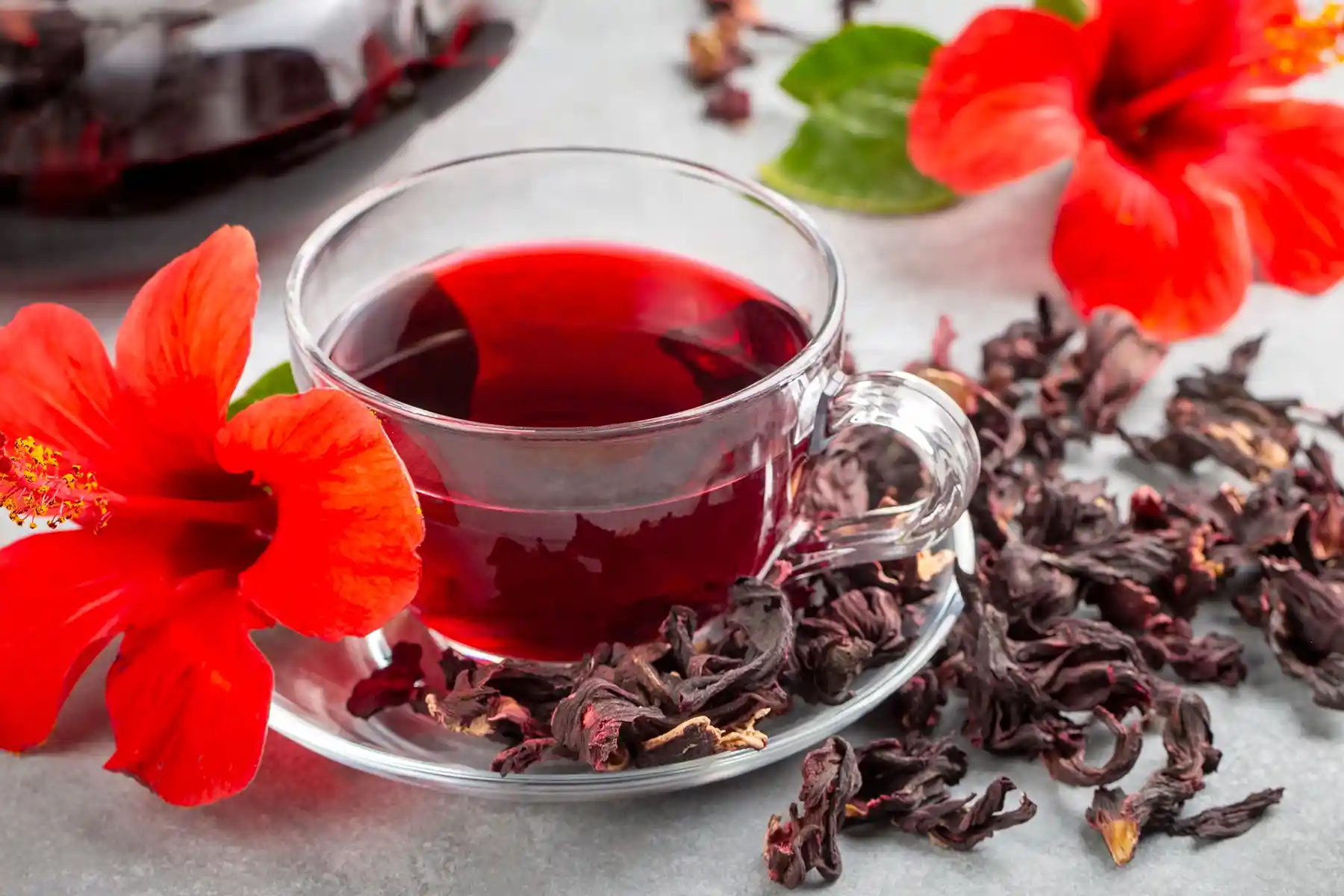
The simple blend in this image – bay leaves, hibiscus petals and corn silk brewed into a deep red tea – is a traditional-style drink many people use to gently support their whole internal system.
Most people never realize this works because it looks too simple to matter.
Let’s walk through how to make it, how to drink it, and what it may be doing inside your body.
What This Herb Blend Does Inside the Body
This tea uses three key plants:
- Bay leaves – Traditionally used to ease gas and support digestion. They contain aromatic oils that may help the stomach process heavy meals more comfortably.
- Hibiscus petals – Rich in deep red anthocyanins and antioxidants. These are studied for supporting healthy blood pressure, circulation and general heart wellness.
- Corn silk – The golden strands from corn are a classic folk remedy for the urinary system. They act as a gentle diuretic, helping the kidneys move excess fluid and reduce puffiness.
Together, this trio creates a warm, slightly tangy tea that many people use for:
- Feeling lighter after meals.
- Supporting heart and blood vessel health.
- Encouraging gentle detox through urine and digestion.
You are not “flushing out” your organs, but you are giving them plant compounds that can make their job a little easier.
Simple Preparation Method
Here is one easy way to prepare the blend shown in the image.
Ingredients
- 3–4 whole bay leaves (dried)
- 1 tablespoon dried hibiscus petals
- 1 tablespoon dried corn silk
- 2 cups of water
Steps
- Add the water to a small pot and bring it to a gentle boil.
- Once boiling, add bay leaves, hibiscus petals and corn silk.
- Lower the heat and let it simmer for 7–10 minutes.
- Turn off the heat, cover the pot and let it steep for another 5 minutes so the color turns a rich deep red.
- Strain into a mug and let it cool to a comfortable drinking temperature.
You can make a double batch in the morning and sip the rest later in the day.
When to Drink This Tea
Here’s where timing becomes surprisingly powerful.
- Best time:
- Mid-morning or early afternoon, between meals.
- After a heavier lunch or salty meal when you feel bloated or puffy.
- How often:
- 3–4 times per week is a gentle starting rhythm for most healthy adults.
- When you may notice changes:
- Within 30–60 minutes you may feel less bloated or heavy.
- Over 1–2 weeks of regular use, some people notice gentler digestion and less water retention.
- Heart and liver support are long-term benefits that depend on your whole lifestyle, not just one drink.
Why It Works
This kind of blend shows up in many herbal traditions because each plant targets a different “corner” of the body:
- Bay leaf for the gut.
Its aromatic oils may relax the smooth muscle in the digestive tract, helping food move along and reducing gas and cramping sensations. - Hibiscus for the heart and vessels.
Its red pigments (anthocyanins) act as antioxidants, helping to protect blood vessels from everyday oxidative stress. In some studies, hibiscus tea is linked with modest support for healthy blood pressure when combined with a healthy lifestyle. - Corn silk for the kidneys and fluid balance.
Traditionally used as a mild diuretic, it can increase urine flow, which may help the body let go of excess fluid and the “puffy” feeling many people get around the eyes, hands or ankles.
Think of this tea less as a magic fix and more as a supportive daily ritual that works quietly alongside good food, sleep, movement and stress care.
Safety Notes & Who Should Be Careful
This is a gentle, kitchen-style herbal drink, but “natural” does not mean “risk-free.” Keep these notes in mind:
- If you take blood-pressure medication, blood thinners or kidney medication, talk with your healthcare provider before drinking hibiscus or corn silk regularly.
- People with very low blood pressure may feel a little light-headed from strong hibiscus tea. Start with a weak brew and see how you feel.
- If you have chronic kidney disease, serious heart problems, or liver disease, you must check with your doctor before trying any new herbal regimen.
- Pregnant or breastfeeding women should only use herbs under professional guidance.
- If you notice itching, rash, stomach pain or any odd symptom after drinking, stop and seek medical advice.
Herbal drinks are helpers, not replacements for medical treatment or prescribed medication.
Final Takeaway
A simple mug of bay leaf, hibiscus and corn silk tea will not overhaul your health overnight, but it can be a comforting ritual that gently supports your heart, liver, kidneys and digestion over time.
Sip it slowly, listen to how your body responds, and pair it with kinder choices throughout your day.
Save this guide if you want to try the blend later.