When it comes to managing conditions associated with high uric acid, such as gout, your diet plays an incredibly significant role. It’s not just about avoiding certain foods; it’s about making informed, healthy, and often aesthetically pleasing food choices that actively support your well-being. Understanding how what you eat impacts your body’s uric acid levels can empower you to take control and feel better.
This article will guide you through simple yet effective dietary strategies, helping you navigate food choices to support healthy uric acid levels. We’ll explore which foods to embrace, which to approach with caution, and how to build a balanced plate that is both nourishing and delicious.

Understanding Uric Acid and Its Impact
Uric acid is a natural waste product formed when your body breaks down purines – compounds found in certain foods and naturally produced by your body. Normally, your kidneys filter out uric acid, and it’s expelled through urine. However, if your body produces too much uric acid or your kidneys don’t excrete enough, levels can build up in your blood, leading to a condition called hyperuricemia.
Hyperuricemia can lead to the formation of urate crystals in joints, causing gout – a painful form of inflammatory arthritis. High uric acid levels are also associated with other health concerns, including kidney stones and certain metabolic conditions. Diet is a primary lever you can use to influence these levels.
Dietary Strategies for Managing Uric Acid
Managing uric acid levels through diet involves a balanced approach, focusing on whole, unprocessed foods while being mindful of those high in purines or other problematic compounds. The goal is to reduce both the intake of purines and factors that can hinder uric acid excretion.
Foods to Embrace: Your Plate’s Best Friends
Incorporating these foods can help promote healthy uric acid levels and contribute to overall wellness:
- Fruits, especially Cherries: Cherries are famous for their potential to lower uric acid levels and reduce gout attacks, likely due to their anthocyanins and vitamin C content. Berries, oranges, and other vitamin C-rich fruits are also beneficial.
- Vegetables: Most vegetables are low in purines and can be enjoyed freely. Dark leafy greens like spinach (in moderation), kale, and broccoli, as well as bell peppers and tomatoes, provide essential vitamins, minerals, and antioxidants.
- Whole Grains: Foods like oats, brown rice, whole-wheat pasta, and quinoa are excellent sources of complex carbohydrates and fiber, which can help with satiety and overall healthy metabolism.
- Low-Fat Dairy Products: Skim milk, low-fat yogurt, and cottage cheese have been linked to lower uric acid levels and a reduced risk of gout attacks.
- Water: Staying well-hydrated is crucial. Water helps your kidneys flush out uric acid more efficiently. Aim for at least 8 glasses (about 2 liters) of water daily.
- Plant-Based Proteins: Lentils, beans, tofu, and nuts are good protein sources that are generally lower in purines than animal proteins.
- Coffee: Moderate coffee consumption has been associated with lower uric acid levels in some studies, though individual responses can vary.
Foods to Limit or Avoid: Proceed with Caution
Certain foods can significantly contribute to elevated uric acid levels. Reducing or eliminating them is a key step:
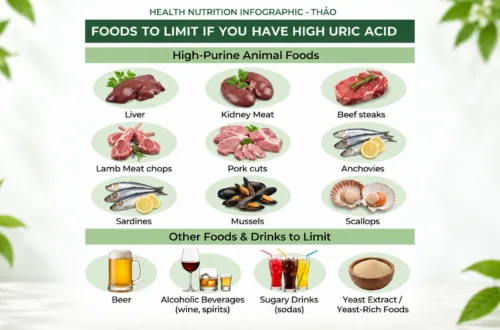
- High-Purine Meats: Organ meats (liver, kidneys, sweetbreads), red meat (beef, lamb, pork), and game meats are particularly high in purines. Limit consumption to small portions or less frequently.
- Certain Seafood: Shellfish (shrimp, crab, scallops, mussels) and some fish (sardines, anchovies, herring, mackerel, tuna) are high in purines.
- Sugary Drinks and Foods: Fructose, especially high-fructose corn syrup found in sodas, fruit juices, and many processed foods, can increase uric acid production. Opt for water or unsweetened beverages instead.
- Alcohol, especially Beer: Alcohol, particularly beer, can interfere with uric acid excretion and increase its production. Hard liquor can also be problematic. Wine in moderation may have less of an impact for some individuals, but it’s often best to limit all alcohol.
- Refined Carbohydrates: White bread, pastries, and other refined grains offer little nutritional value and can contribute to metabolic issues that impact uric acid.

Sample Meal Ideas for Uric Acid Management
Eating healthily doesn’t mean sacrificing flavor or variety. Here are some ‘aesthetic’ and delicious meal ideas:
- Breakfast: Cherry and Berry Smoothie Bowl (blend low-fat yogurt, a handful of cherries, mixed berries, and a splash of unsweetened almond milk. Top with a sprinkle of chia seeds and a few whole almonds).
- Lunch: Quinoa Salad with Roasted Vegetables (toss cooked quinoa with roasted bell peppers, zucchini, cucumber, and a light lemon-herb vinaigrette. Add chickpeas or a small amount of grilled chicken breast for extra protein, if desired).
- Dinner: Baked Salmon with Steamed Green Beans and Brown Rice (salmon is a moderate-purine fish, but generally considered acceptable in moderation. Pair with plenty of low-purine vegetables and a whole grain).
- Snacks: A handful of walnuts, an apple, or a small bowl of low-fat cottage cheese with a few slices of peach.
Beyond Diet: Lifestyle Tips for Uric Acid Health
While diet is paramount, other lifestyle factors also play a role in managing uric acid:
- Maintain a Healthy Weight: Obesity can increase uric acid levels. Gradual weight loss through diet and exercise can be beneficial.
- Regular Exercise: Physical activity supports overall health, including kidney function and weight management.
- Consult Your Doctor: If you have consistently high uric acid levels or experience gout attacks, it’s crucial to work with a healthcare professional to develop a comprehensive management plan.
Common Questions About Uric Acid and Diet
Are all plant-based foods good for uric acid?
Most plant-based foods are excellent. However, some vegetables like asparagus, spinach, mushrooms, and cauliflower contain moderate amounts of purines. For most people, the benefits of these vegetables outweigh the purine content, and they do not need to be strictly avoided, especially compared to high-purine meats and seafood. Focus on variety and moderation.
Can I ever eat high-purine foods?
For individuals with well-controlled uric acid levels, occasional small servings of moderate-purine foods might be tolerated. However, those prone to gout attacks or with very high uric acid levels should strictly limit or avoid high-purine items. Always consult your doctor for personalized advice.
How quickly can diet affect uric acid levels?
Dietary changes can start impacting uric acid levels within weeks, but consistent effort over time yields the best results. It’s a long-term commitment to a healthier lifestyle.
Final Thoughts
Taking control of your diet is a powerful step in managing high uric acid. By understanding which ‘aesthetic’ and healthy foods to prioritize and which to limit, you can significantly influence your uric acid levels and improve your overall health. Remember, a balanced, whole-foods-focused diet, combined with healthy lifestyle habits and professional medical guidance, is your best approach to thriving.