Walk through any vegetable garden in late spring and you will often see the same thing: rows of seedlings packed so tightly that leaves overlap, or tomato plants sprawling into their neighbors. Many gardeners assume more plants in a bed means more food. In practice, plant spacing plays a big role in how well your vegetables grow, how easily you can care for them, and how much fresh produce you can harvest over the season.
Why Plant Spacing Matters
Plants compete for sunlight, water, nutrients, and air. When seedlings are placed too close together, they draw on the same resources, which can slow growth and make plants more vulnerable to disease. Good airflow between leaves helps reduce the moisture that fungal problems often need to take hold. Proper spacing also gives each plant enough room to develop strong roots and produce its fruit or leaves.
Spacing also makes garden care easier. You can reach plants to water, check for pests, and harvest without stepping on the bed or damaging nearby stems.
Intensive Spacing: A Smarter Way to Plant
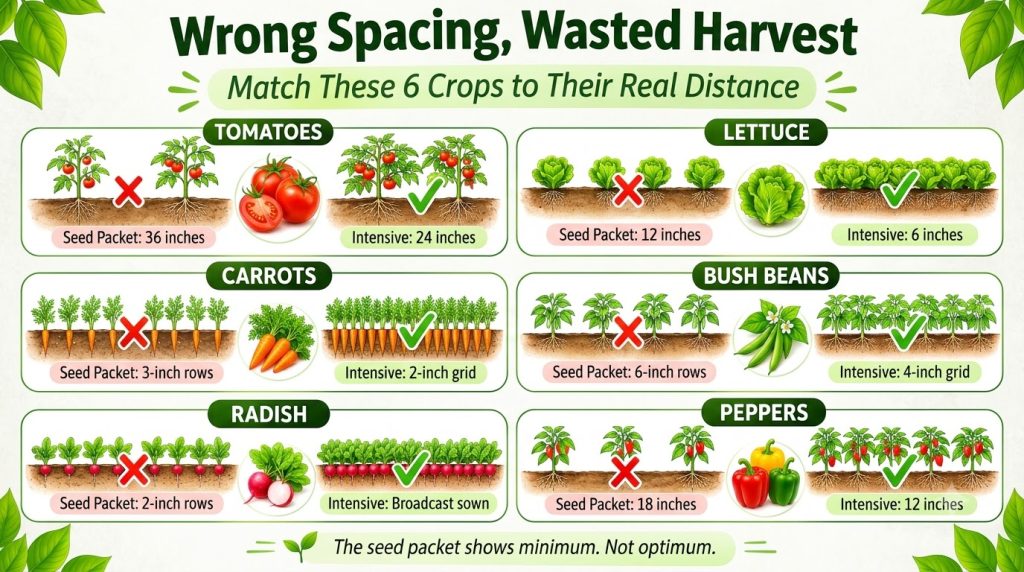
Intensive spacing, often called intensive planting, means arranging plants closer together than traditional rows would allow, while still leaving enough room for each plant to thrive. This approach works especially well in raised beds and small gardens, where every square foot counts. The goal is balance: enough density to use your space well, but enough room for healthy growth.
Common Spacing Guidelines
Exact spacing depends on variety, climate, and growing conditions, so always check your seed packet or plant tag. As a general starting point, many gardeners use the following ranges:
- Tomatoes: about 18 to 24 inches apart, giving vines room for airflow and staking.
- Peppers: roughly 12 to 18 inches apart, depending on plant size.
- Bush beans: about 4 to 6 inches apart in rows or blocks.
- Lettuce: around 6 to 8 inches apart for compact heads, or closer for baby greens.
- Carrots: thin seedlings to about 2 to 3 inches apart so roots can form properly.
- Radishes: about 2 to 3 inches apart for quick, round roots.
Signs Your Plants Need More Space
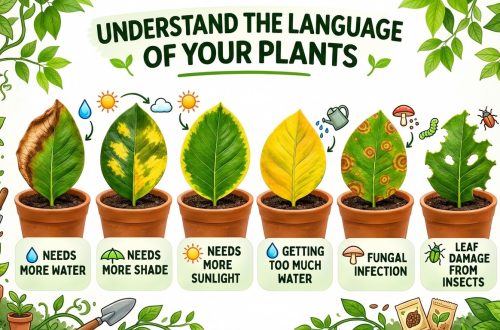
Watch your garden closely over the season. Crowded plants often show clues such as yellowing lower leaves, weak stems, slow fruit production, or soil that dries out unevenly. If you notice these signs, consider thinning seedlings, moving transplants, or choosing more compact varieties for tight spaces.
Tips for Planning Your Garden Layout
- Sketch your bed or planting area before you start, noting sun exposure and access paths.
- Group plants with similar water needs together to make watering simpler.
- Place taller crops like tomatoes and peppers where they will not shade smaller crops like lettuce.
- Thin seedlings early, even if it feels difficult, to give the remaining plants room to grow.
- Use mulch around plants to conserve moisture and keep soil cool during warm weather.
Final Thoughts
Thoughtful plant spacing is one of the simplest ways to support healthier vegetables and a more manageable garden. Start with the general guidelines above, observe how your plants respond, and adjust for your own climate and soil. With a little planning, your garden can become both productive and beautiful.