Do you feel drained, find yourself getting sick often, notice your skin looking dull, or struggle with poor sleep and brain fog? Even small vitamin deficiencies can trigger these symptoms—quietly slowing your metabolism, weakening your body’s defenses, upsetting hormones, and accelerating aging.
The good news? Most vitamin shortages don’t require expensive supplements. Your body absorbs nutrients best from real, whole foods—right on your plate.
Signs You Might Be Missing Out On Key Vitamins
Vitamin deficiencies show up in subtle but important ways. Watch for these common clues:
-
Ongoing fatigue or weak energy
-
Brittle nails and thinning hair
-
Frequent infections or slow healing
-
Dry, flaky skin
-
Muscle weakness
-
Brain fog or poor focus
-
Mood changes (irritability, anxiety)
-
Poor sleep quality
If several symptoms ring true, adding more vitamin-rich foods can make a real difference – often in just a few weeks.
Essential Vitamins & Their Best Food Sources
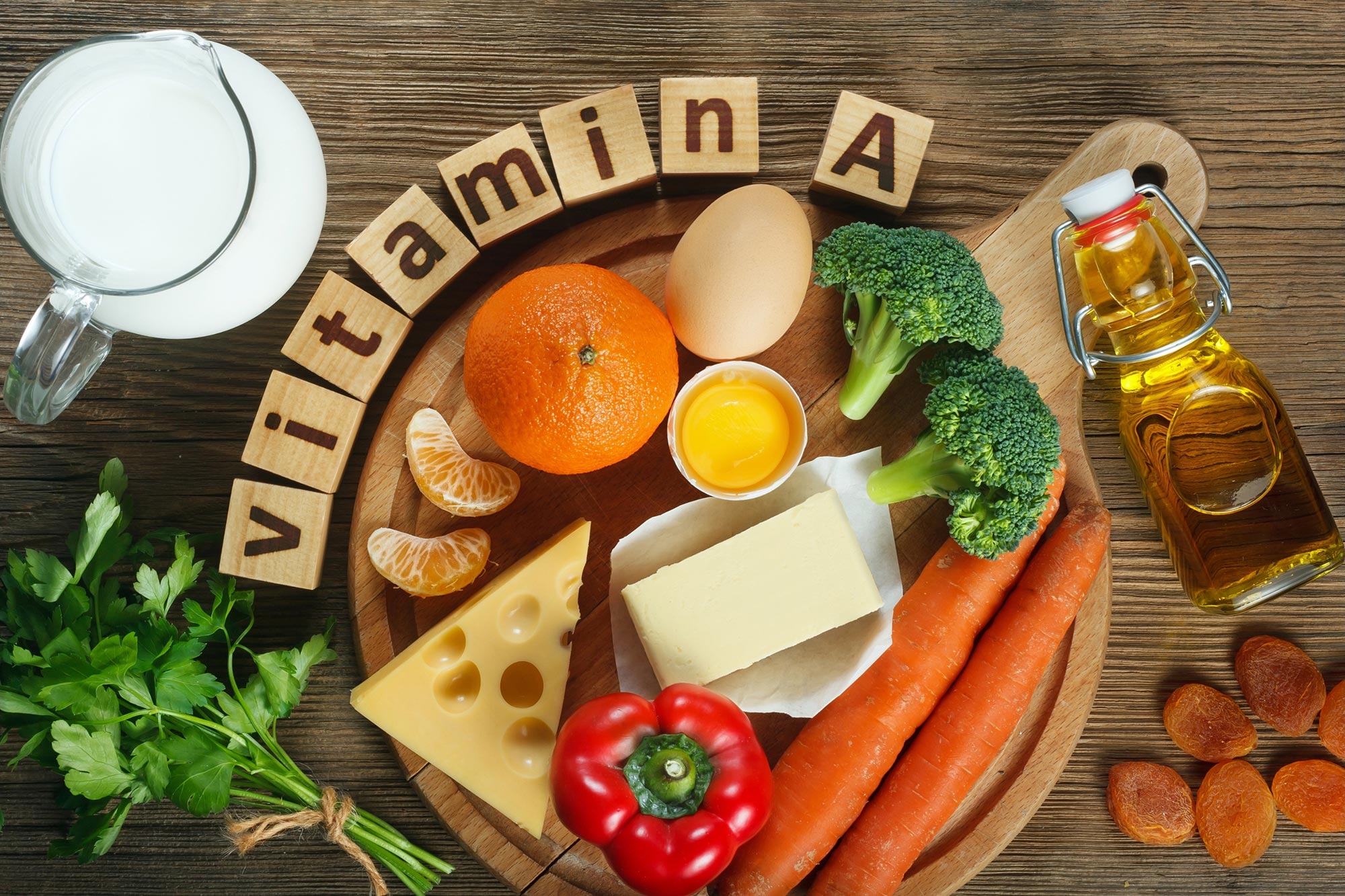
Vitamin A (Vision, Skin, Immunity)
Vitamin A supports healthy eyesight, glowing skin, cell renewal, reproductive health, and strong immunity.
-
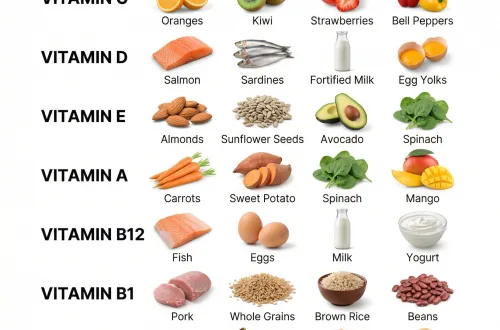
Top sources: Carrots, sweet potatoes, pumpkin, spinach, kale, eggs, liver, cantaloupe, red bell peppers.
-
Boost absorption: Combine with healthy fats like olive oil or avocado.
Vitamin B Complex (Energy, Mood, Metabolism)
B vitamins (B1–B12) power the nervous system, boost brain and heart function, fuel energy, and support red cell production. Folate (B9) is vital for women of childbearing age.
-
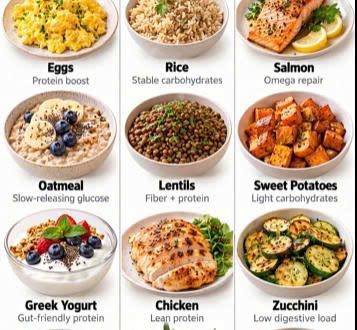
Top sources: Eggs, salmon, sardines, plain Greek yogurt, chickpeas, lentils, leafy greens, whole grains, nutritional yeast.
-
Watch for: Low B vitamins can result in fatigue, poor concentration, tingling nerves, hormonal imbalance, and sluggish metabolism.
Vitamin C (Immunity, Collagen, Antioxidant Support)
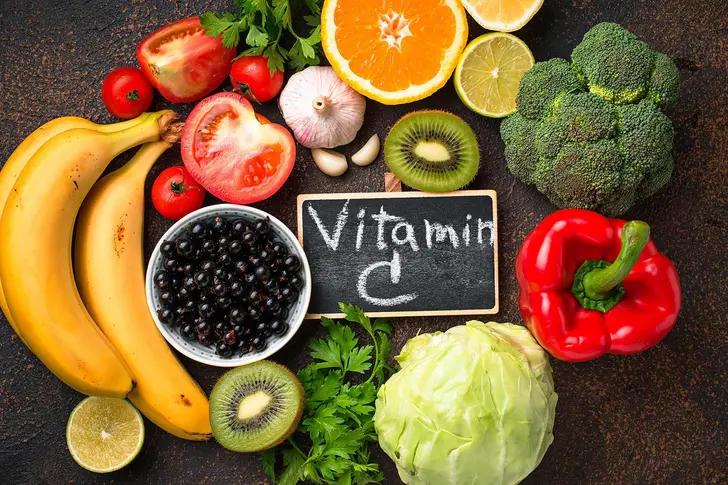
Vitamin C protects cells, promotes wound healing, strengthens immunity, and supports collagen for firm, bright skin.
-
Top sources: Kiwi, berries, citrus fruits, papaya, pineapple, Brussels sprouts, broccoli, red bell pepper.
-
Signs of low C: Slow recovery, frequent colds, bleeding gums, dull or bruised skin.
Vitamin D (Mood, Bones, Immune Support)
Vitamin D acts as a hormone, affecting mood, calcium absorption, bone strength, and immune response. Deficiency is extremely common, especially for those with limited sunlight.
-
Top sources: Salmon, sardines, egg yolks, liver, mushrooms (sun-exposed), fortified milk and plant milks.
-
Symptoms: Fatigue, muscle pain, low mood, weak immunity, bone/joint aches.
Vitamin E (Skin, Hormones, Cell Defense)
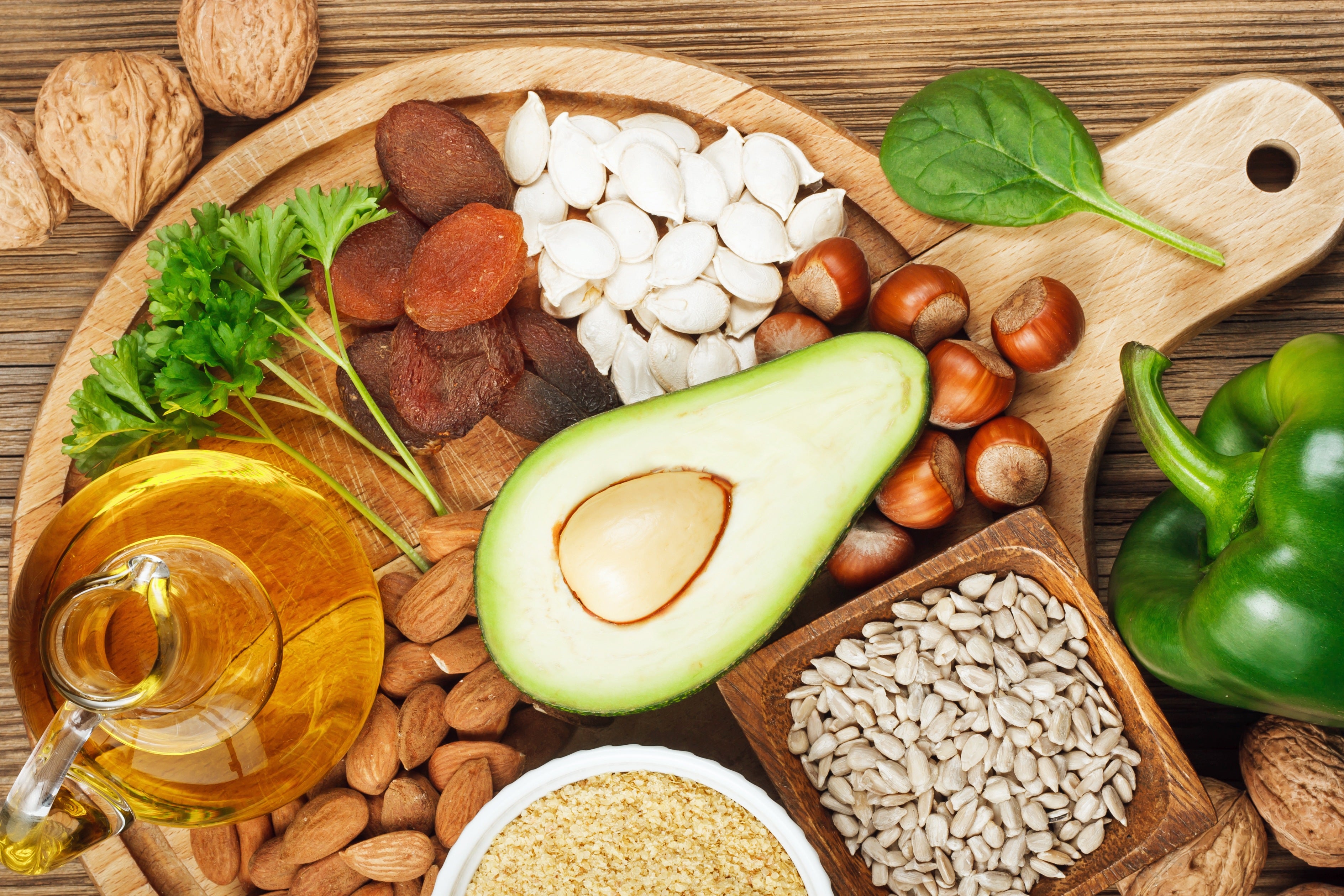
Vitamin E is an antioxidant powerhouse, supporting hormone balance, lowering inflammation, and keeping skin elastic.
-
Top sources: Almonds, walnuts, sunflower seeds, avocado, olive oil, spinach, peanut butter, hazelnuts.
-
Benefits: Heals skin, helps cell repair, slows signs of aging.
Vitamin K (Bones, Blood Health, Calcium Use)
Vitamin K is crucial for bone strength, heart health, and healthy blood clotting.
-
Top sources: Kale, spinach, Swiss chard, broccoli, Brussels sprouts, natto (fermented soybeans), egg yolks.
-
Deficiency signals: Easy bruising, weak bones, prolonged bleeding, heavy periods.
Multivitamin “Superfoods”: Nature’s All-in-One
Some foods naturally deliver several essential vitamins (plus minerals) in every serving. Add these to your meals whenever possible:
-
Liver: Contains A, B-complex, D, E, K, iron (just 1–2 small servings per week)
-
Salmon: Packed with A, B, D, E, plus omega-3s
-
Eggs: Supply A, D, E, B12, plus choline
-
Pumpkin: Offers A, C, E
-
Berries: High in C, K, antioxidants
-
Avocado: Rich in E, K, several B vitamins
Don’t Forget Minerals
Vitamins work best with essential minerals that activate their benefits:
-
Iron: Spinach, lentils, eggs, red meat, pumpkin seeds
-
Magnesium: Almonds, dark chocolate, pumpkin seeds, avocado, bananas
-
Zinc: Nuts, seeds, eggs, seafood
Iron, magnesium, and zinc support energy, metabolism, hormone health, and overall wellness.
How to Build a Vitamin-Rich Plate
For balanced, daily vitamin coverage:
-
One bright fruit: (Berries, kiwi, orange, papaya)
-
One leafy green: (Spinach, kale, chard)
-
One protein source with B vitamins: (Salmon, eggs, yogurt, legumes)
-
A source of healthy fat & vitamin E: (Avocado, nuts, seeds)
-
One vegetable high in A, C, or K: (Carrot, sweet potato, broccoli)
Rotating these foods covers most daily requirements—no supplements needed for the majority of people with a varied diet.
Always pay attention to your body’s signals, refresh your plate with nature’s most vitamin-packed foods, and experience the difference within weeks. For more evidence-based nutrition tips and vitamin-rich recipes, explore our website for practical guides and healthy inspiration.