Is your body reminding you it needs better support—maybe with more joint cracking, tired bones after movement, or just a feeling that “simple things” take more out of you than before? The truth is, true bone health is about much more than just getting enough calcium. Your skeleton relies on a network of minerals, vitamins, healthy bacteria, and daily habits that quietly keep you stable, strong, and pain-free as the years go by.
Let’s explore the most powerful bone-supporting foods and how to blend them into easy, enjoyable meals.
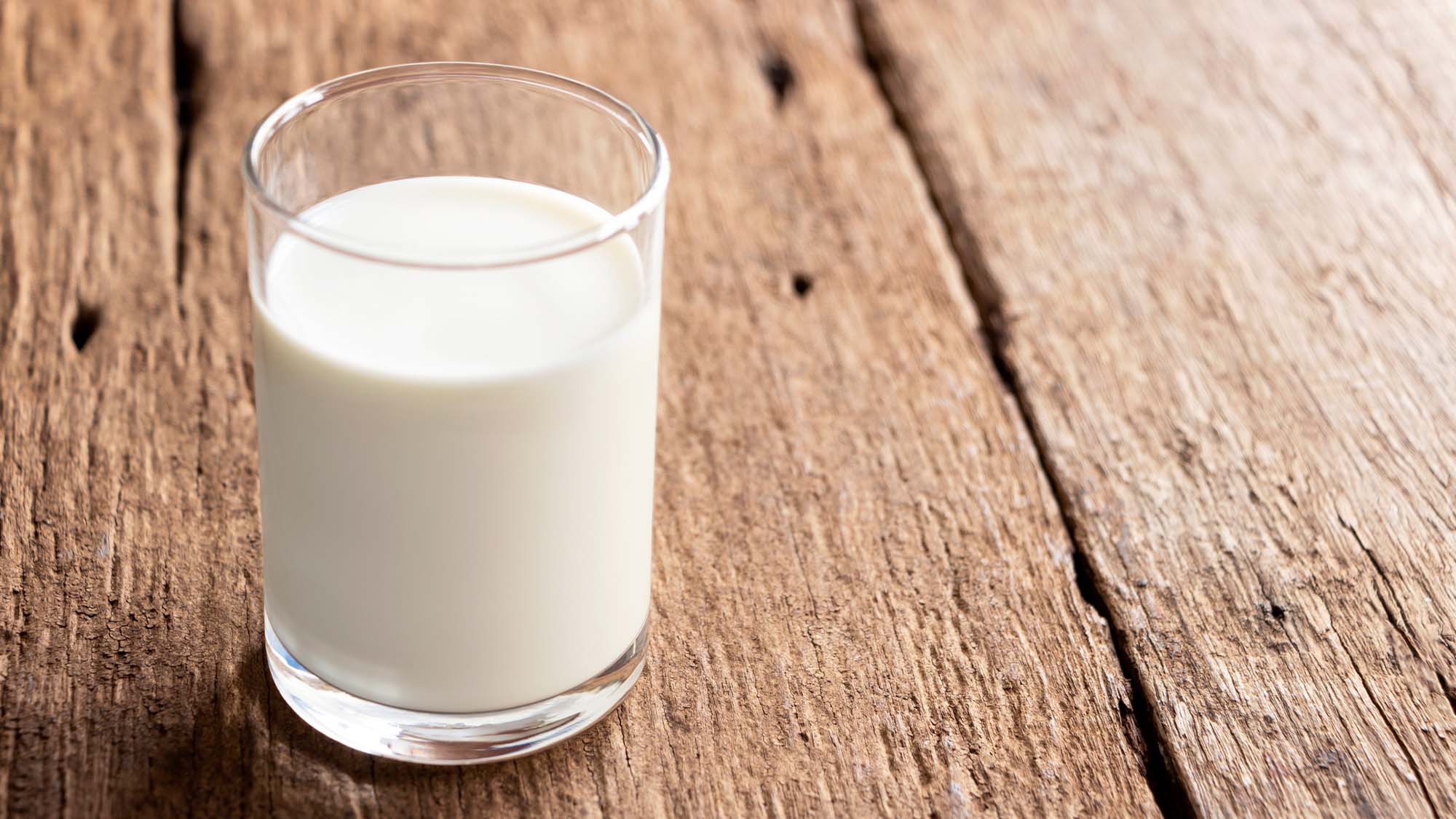
1. Milk: Easy-Absorb Calcium
Milk is one of the most reliable sources of calcium your body can actually use. This mineral is the backbone of dense, resilient bones—especially important for women in their 30s and beyond, when natural calcium loss accelerates.
Tip: Add a small glass of milk, a splash in smoothies, or use it for overnight oats.
2. Yogurt: Probiotics for Mineral Absorption
Gut health and bone health go hand in hand. Yogurt isn’t just a calcium source—it delivers gut-friendly probiotics that help your body actually absorb critical minerals like calcium and magnesium for better bone repair.
Tip: Opt for plain, unsweetened yogurt and enjoy with fruit or nuts.
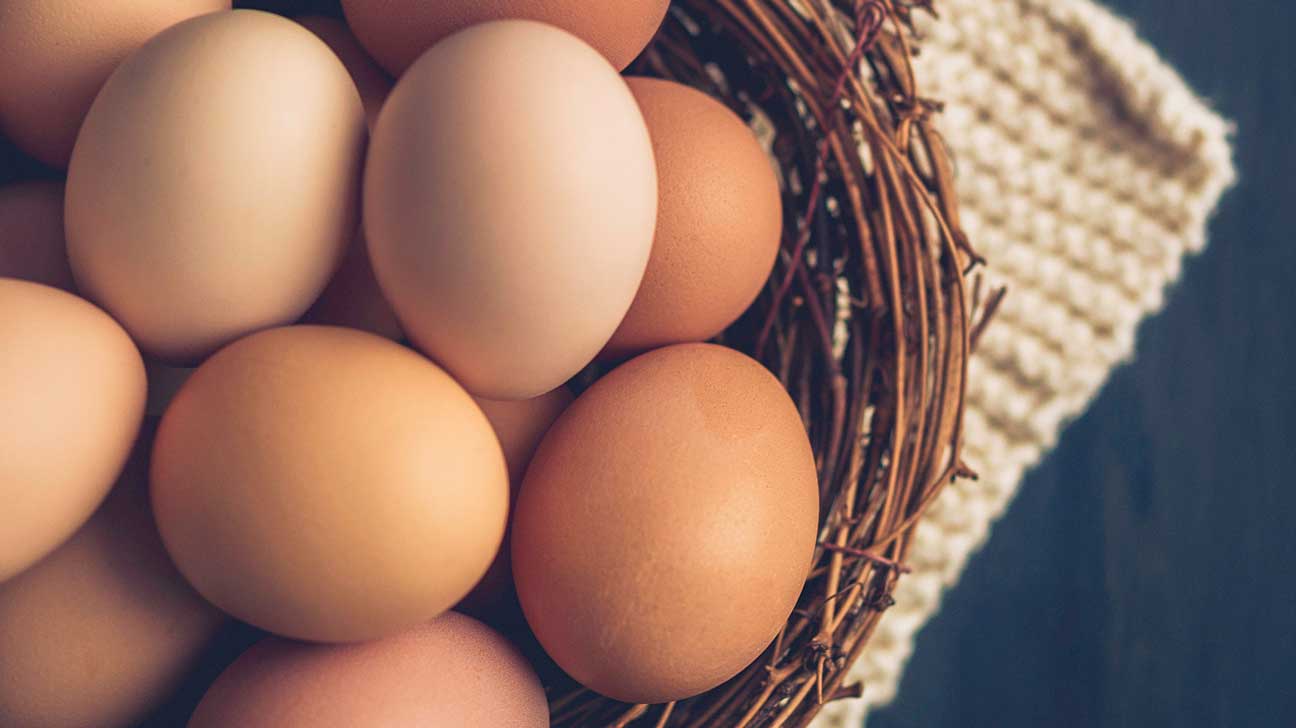
3. Eggs: The Vitamin D Connection
Vitamin D acts like a key, letting calcium enter bones. Eggs are one of the few natural foods with both vitamin D and high-quality protein, giving your body exactly what it needs for joint and bone rebuilding.
Tip: Enjoy 1–2 eggs a few times a week, in any style you like.
4. Cheese: Calcium Paired With Collagen Builders
Good-quality cheese provides calcium, but pairing it with vitamin C–rich foods (like tomatoes or berries) boosts collagen production—the flexible, supportive “matrix” inside your bones.
Tip: Add cheese to salads with tomatoes, bell peppers, or citrus for a tasty bone-supporting combo.
5. Spinach: A Vitamin K Booster
Spinach is loaded with calcium and, crucially, vitamin K. This vitamin “locks” calcium within the bone’s structure, making it more effective for long-term strength.
Tip: Toss fresh spinach into stir-fries, omelets, or morning smoothies.
6. Almonds: Magnesium Magic
Most people don’t get enough magnesium—a mineral that works with calcium to create a flexible, resilient bone matrix and may even reduce nighttime leg cramps.
Tip: A handful of almonds (about 10–12) per day is all you need.
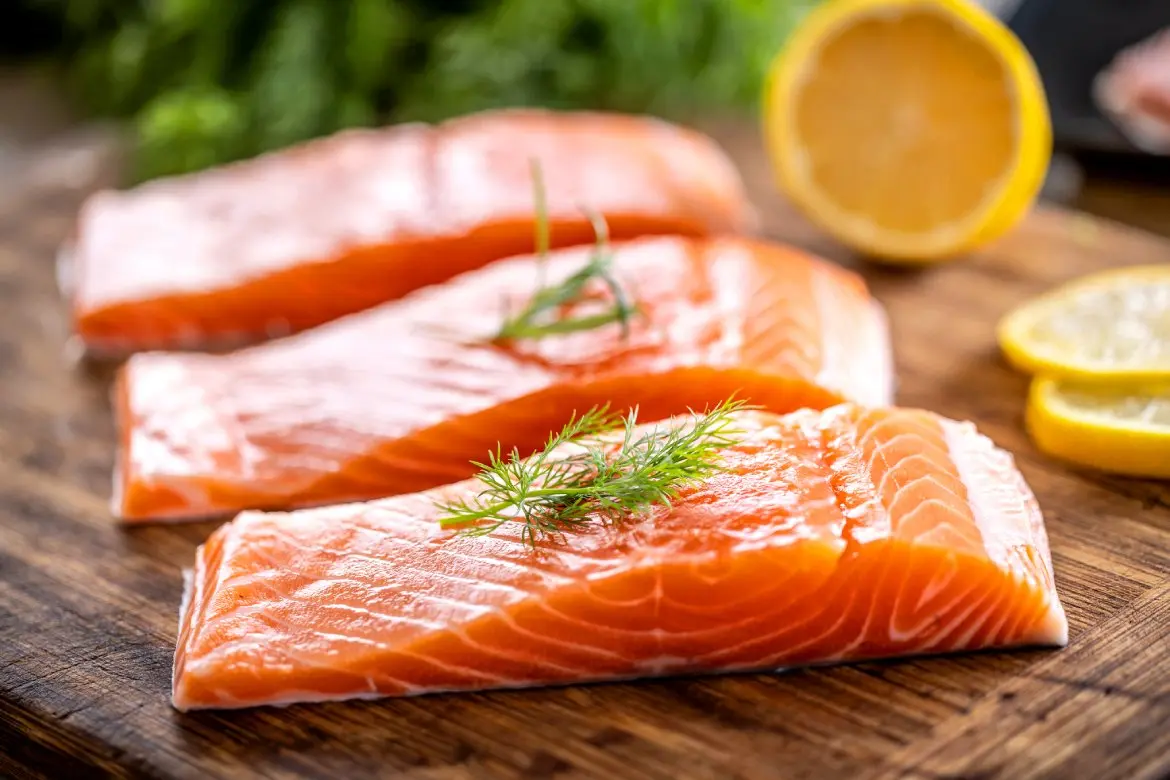
7. Salmon: Omega-3s and Vitamin D for Joints
Fatty fish like salmon are bone superstars. They provide vitamin D for calcium absorption and omega-3s to fight inflammation, easing joint discomfort and helping preserve cartilage.
Tip: Bake salmon with lemon and herbs two to three times per week, or opt for canned salmon with bones for a serious calcium boost.
Bonus: Prunes, Tofu, and Leafy Greens
Prunes, tofu (calcium set), and leafy greens like kale and collard greens are also excellent for bone strength – delivering vitamin K, magnesium, and other minerals shown to improve bone mineral density and reduce fracture risk in studies.
Why Your Joints Crack More as You Age
Joints might “crack” or ache due to low magnesium, trouble absorbing calcium, early cartilage thinning, or even your gut’s ability to use vitamin D efficiently. Chronic inflammation can speed all of this up. The foods above help target these root causes gently, through real nourishment.
The Bone-Healthy Plate (Simple Meal-Builder)
Each day, try to include:
-
One protein source (salmon, eggs, yogurt)
-
One mineral-rich plant (spinach, almonds, leafy greens)
-
One calcium or vitamin D highlight (milk, cheese, calcium-fortified tofu)
Pair these with plenty of fruits and vegetables for antioxidants, and you’ll not only strengthen your bones but also reduce joint pain and improve your muscle recovery.