Poor circulation can manifest as cold hands and feet, brain fog, low energy, or slower recovery after workouts. Fortunately, everyday foods act like natural blood-flow boosters for your heart and vessels.
Here’s your practical guide to 9 key foods that promote healthy circulation, plus easy ways to enjoy them.
1. Beets
Beets are rich in natural nitrates, which your body converts into nitric oxide.
Nitric oxide relaxes blood vessels so blood can move more freely.
Grate raw beet into salads, roast wedges with olive oil, or blend a small beet into a smoothie.

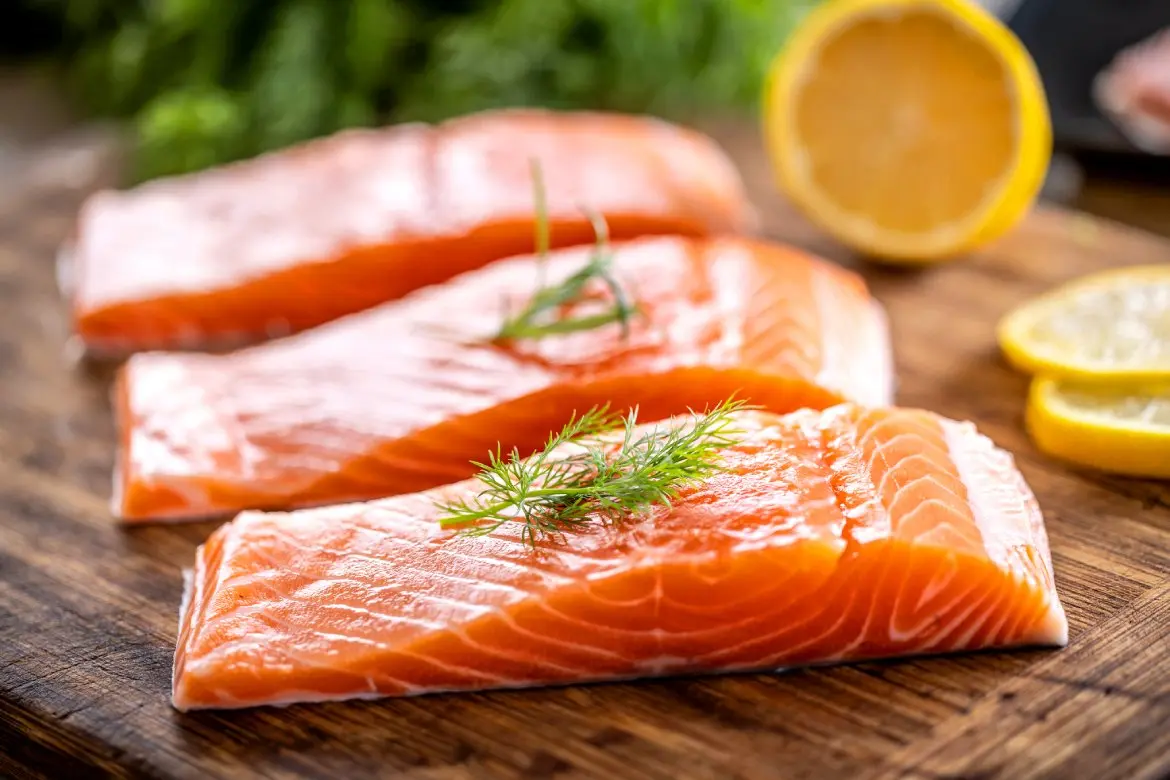
2. Salmon
Salmon is packed with omega-3 fatty acids, known to support flexible arteries and healthy triglyceride levels.
Better blood vessel health means smoother circulation and less stiffness.
Aim for salmon once or twice a week, baked, grilled, or added to grain bowls.
3. Blueberries
Blueberries are loaded with anthocyanin antioxidants that protect vessel walls from damage.
They help reduce oxidative stress, which can otherwise make arteries more rigid.
Sprinkle them on yogurt, oatmeal, chia pudding, or snack on a small handful fresh or frozen.
4. Spinach
Spinach offers magnesium, folate and nitrates, all friends of your cardiovascular system.
These nutrients support blood vessel relaxation and healthy blood pressure.
Add spinach into omelets, soups, smoothies, or use as a base for warm salads.
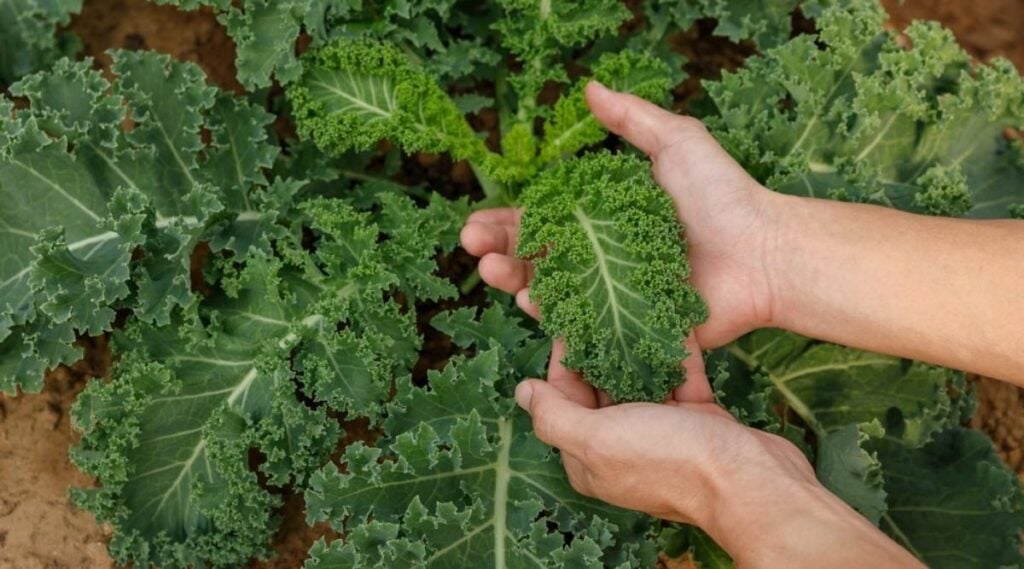
5. Kale
Kale is another nitrate-rich leafy green plus a great source of vitamin K and vitamin C.
It supports strong vessel walls and normal blood clotting.
Massage chopped kale with olive oil and lemon, toss into stir-fries, or bake into kale chips.
6. Kiwi
Kiwi brings vitamin C, vitamin E and potassium to the table.
These help protect blood vessels from free radicals and support fluid balance.
Slice kiwi over breakfast bowls or enjoy one or two as a simple dessert.
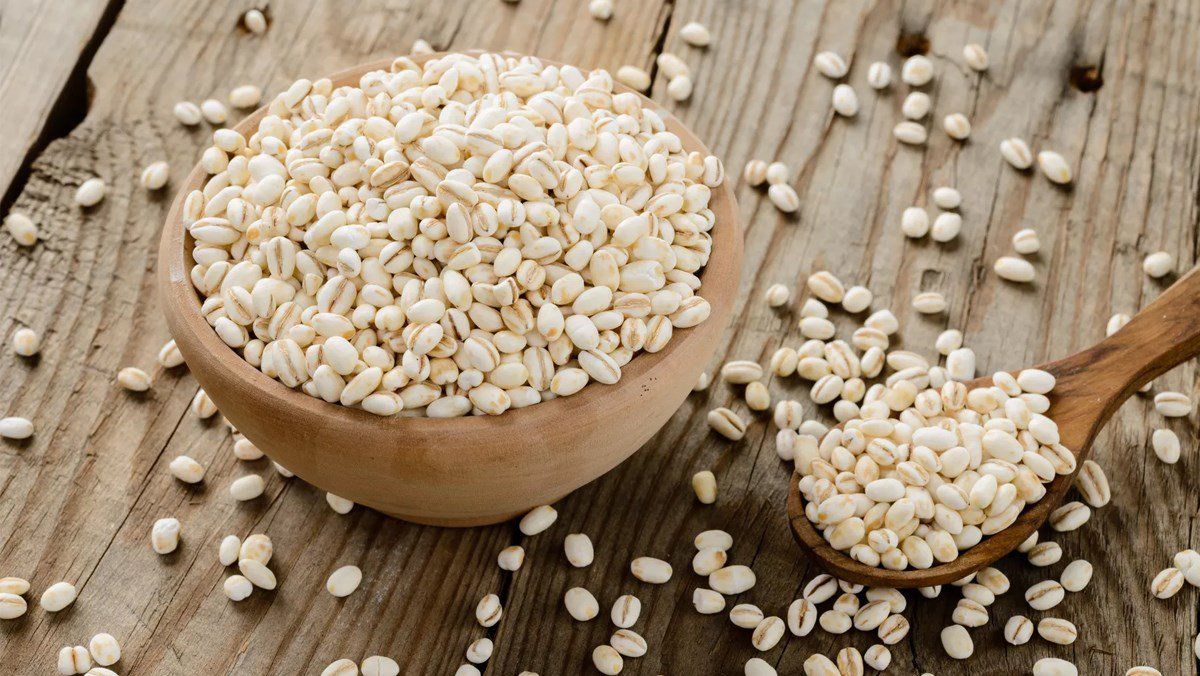
7. Barley
Barley is a whole grain high in soluble fiber, especially beta-glucan.
This fiber helps manage cholesterol levels, easing the workload on your heart and arteries.
Use cooked barley instead of white rice, add it to soups, or toss it into salads for extra chew.
8. Seabass
Seabass is another source of lean protein and omega-3 fats.
It supports muscle repair and keeps blood lipids in a healthier range, which benefits circulation.
Bake or pan-sear seabass with herbs, lemon and olive oil for a light dinner.

9. Pomegranate
Pomegranate seeds and juice are rich in polyphenol antioxidants.
They may support nitric oxide levels and protect arteries from oxidative damage.
Sprinkle seeds over salads, yogurt or hummus, or sip a small glass of pure pomegranate juice.
How To Build A Daily Plate With These Foods
-
Leafy base: spinach or kale.
-
Color pop: beets, blueberries, kiwi, or pomegranate.
-
Protein: salmon or seabass.
-
Smart carb: barley for lasting energy.
Rotate these throughout the week rather than all at once.
When You’ll Start To Notice Changes
-
2–4 weeks: Increased energy, warmer hands and feet, reduced leg heaviness.
-
Months: Improved cholesterol, blood pressure, and vascular health (monitor with your doctor).
Tips To Combine Them Effectively
- Pair beets or leafy greens with a healthy fat like olive oil to absorb fat-soluble vitamins.
- Mix blueberries, kiwi and pomegranate in one antioxidant-rich fruit bowl.
- Use barley in soups with kale and seabass for a circulation-friendly comfort meal.
- Try a salmon, spinach and barley bowl topped with pomegranate seeds for a complete blood-flow plate.
Final Takeaway
You do not need exotic supplements to support circulation.
By regularly eating these nine blood-flow foods—beets, salmon, blueberries, spinach, kale, kiwi, barley, seabass and pomegranate—you quietly nourish your arteries from breakfast to dinner.
Save this guide if you want to build better-circulation meals later, and share it with someone who always has cold hands and feet.