If your brain feels slow, scattered, or “wrapped in cotton,” you’re not alone.
Stress, poor sleep, blood sugar swings, and dehydration can all leave you foggy.
While food can’t fix every cause, the right brain fog foods give your neurons what they need to fire better: steady fuel, healthy fats, antioxidants, and good blood flow.
This list of 9 foods from the image is a simple place to start.
The Top 9 Foods for Brain Fog
1. Blueberries
Blueberries are small but powerful.
- Key nutrients: Anthocyanin antioxidants, vitamin C, fiber.
- Why they help your brain: These pigments protect brain cells from oxidative stress and may support memory and learning.
- How to use them:
- Add a handful to oatmeal or yogurt.
- Blend into a smoothie.
- Keep frozen berries on hand for quick snacks.

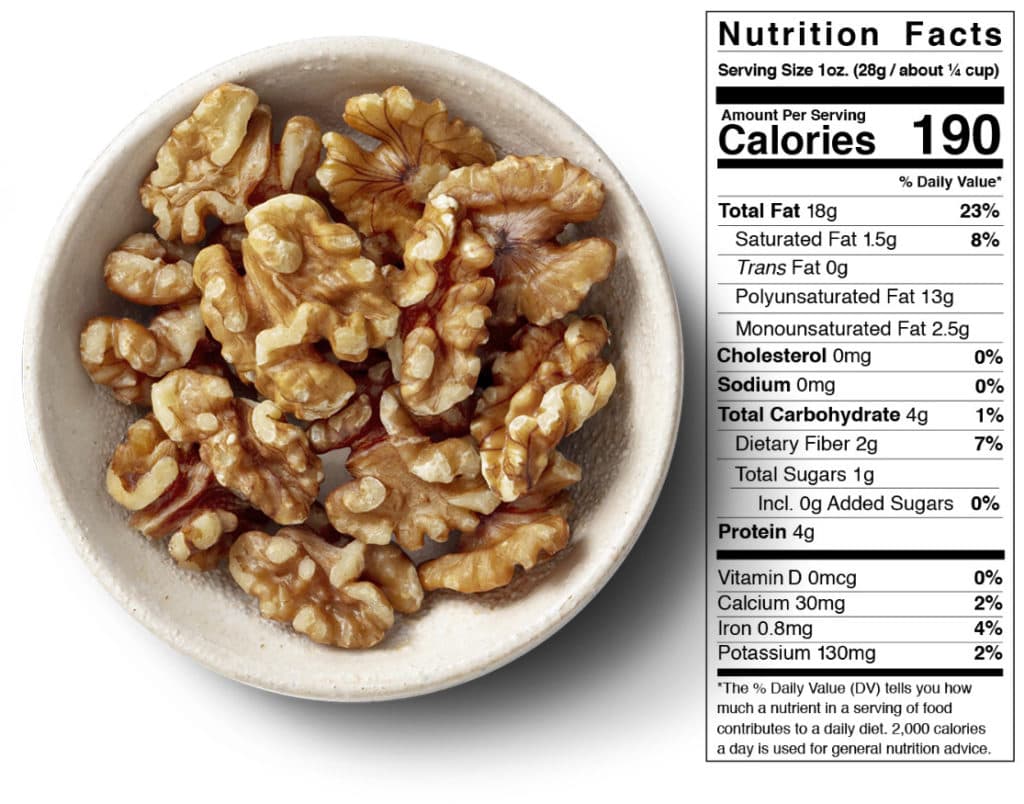
2. Walnuts
Walnuts even look like tiny brains, and their nutrition fits the theme.
- Key nutrients: Plant omega-3s (ALA), vitamin E, magnesium.
- Why they help: Omega-3 fats support cell membranes and calm inflammation; vitamin E helps protect brain tissue.
- How to use them:
- Eat a small handful as an afternoon snack.
- Sprinkle over salads, yogurt, or porridge.
3. Green Tea
Green tea gives a gentler lift than coffee.
- Key nutrients: Moderate caffeine, L-theanine, polyphenol antioxidants.
- Why it helps: Caffeine wakes you up; L-theanine smooths the edge and supports focus. Antioxidants help protect blood vessels in the brain.
- How to use it:
- Swap one daily coffee for green tea.
- Sip it while working or studying for calm alertness.
4. Salmon
Fatty fish like salmon are classic brain food.
- Key nutrients: EPA and DHA omega-3s, protein, B vitamins.
- Why it helps: DHA is a major building block of the brain. Getting enough supports mood, memory, and clear thinking.
- How to use it:
- Enjoy salmon 1–2 times per week: baked, grilled, or in sushi.
- Use canned salmon for quick salads or salmon cakes.

5. Dark Chocolate
Yes, chocolate can be good for your brain – if you choose the right kind.
- Key nutrients: Flavanol antioxidants, small dose of caffeine, magnesium.
- Why it helps: Flavanols support blood flow to the brain; a little caffeine boosts alertness.
- How to use it:
- Choose dark chocolate (around 70% cocoa).
- Enjoy 1–2 small squares with nuts or fruit instead of sugary desserts.
6. Turmeric
Turmeric is more than a spice for curry; it’s a brain ally.
- Key nutrients: Curcumin, a bright yellow antioxidant compound.
- Why it helps: Curcumin may reduce inflammation and support brain cell communication.
- How to use it:
- Add turmeric to soups, scrambled eggs, or roasted vegetables.
- Stir a pinch into warm milk with black pepper for better absorption.

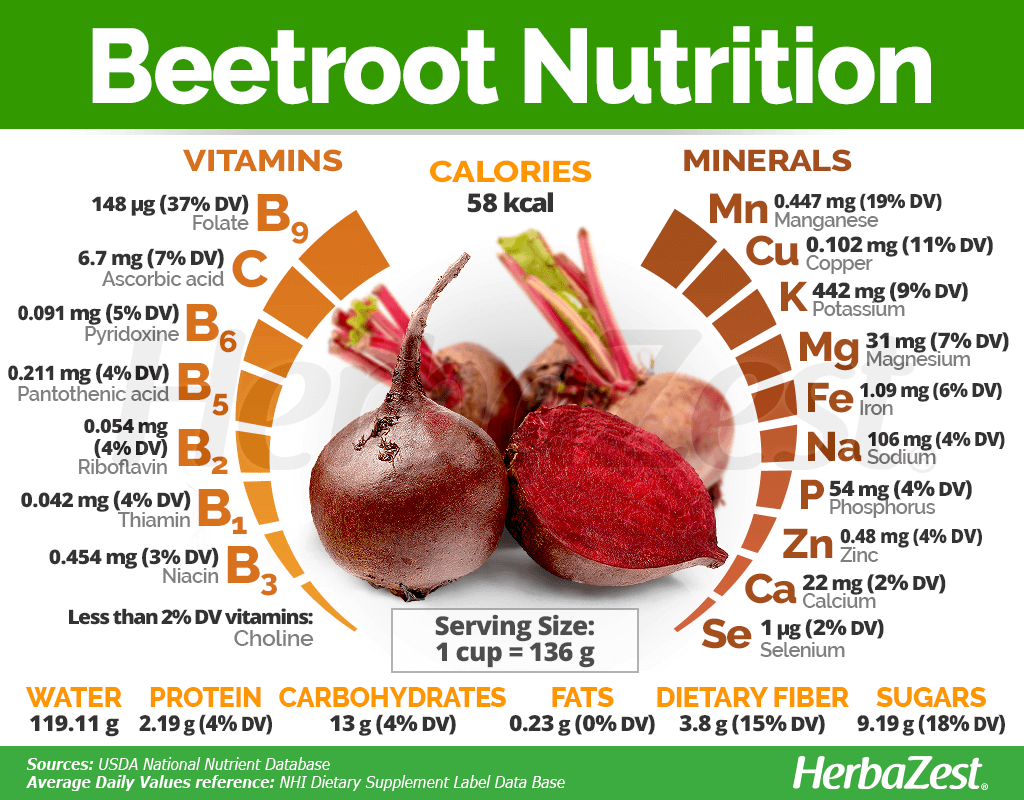
7. Beets
Beets are underrated when it comes to mental clarity.
- Key nutrients: Nitrates, folate, antioxidants.
- Why they help: Natural nitrates can support blood flow, including to the brain, which may improve alertness and mental stamina.
- How to use them:
- Roast beet cubes for salads or grain bowls.
- Blend cooked beet into smoothies for a pink “brain” drink.
8. Sage
Sage has a long history as a “memory herb.”
- Key compounds: Aromatic oils and polyphenols.
- Why it helps: These may support neurotransmitters linked to memory and attention. Even the scent of sage can feel mentally sharpening.
- How to use it:
- Add fresh sage leaves to roasted vegetables or chicken.
- Brew a mild sage tea and sip slowly.
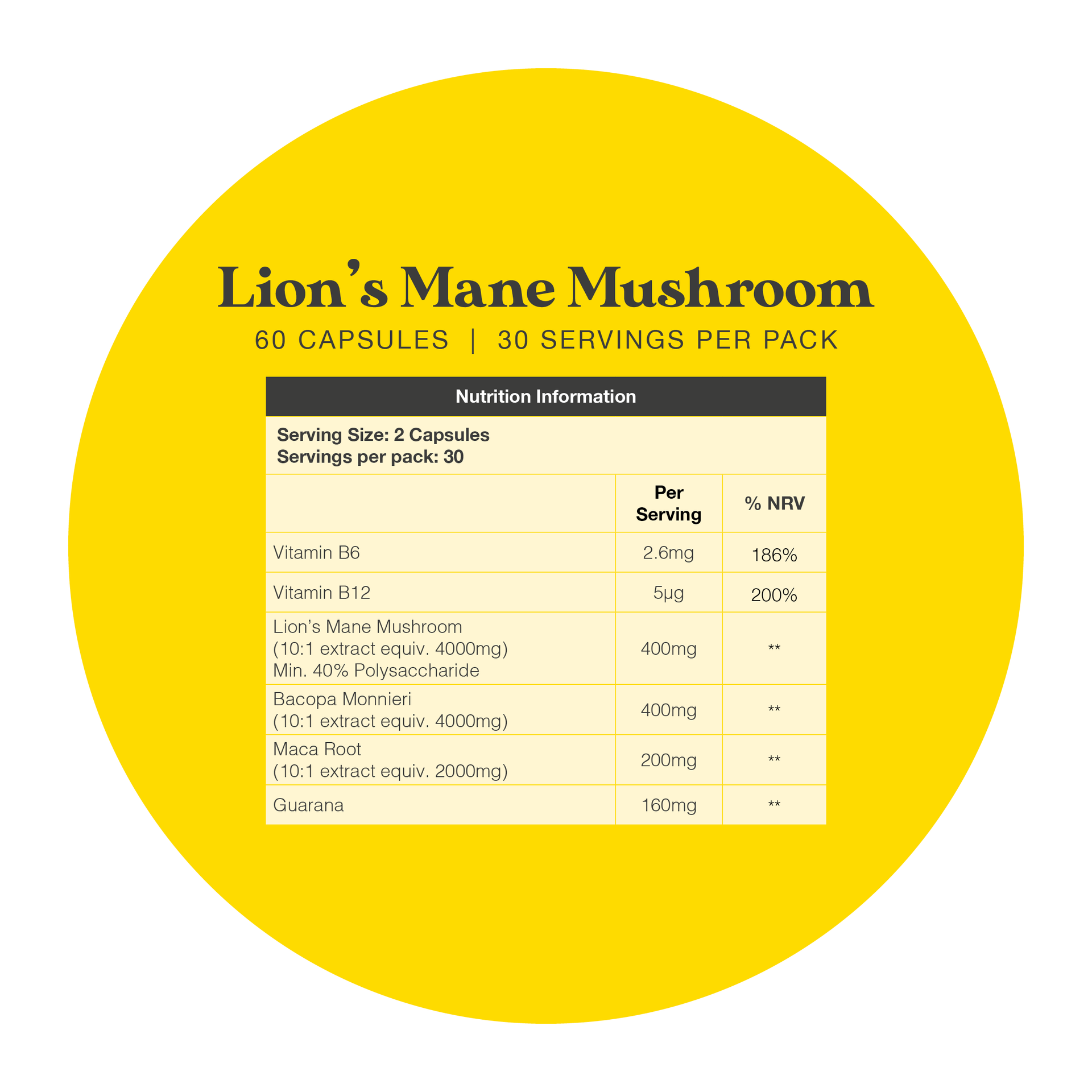
9. Lion’s Mane Mushroom
That fluffy mushroom on the image is lion’s mane, famous in brain health circles.
- Key compounds: Hericenones and erinacines (found in extracts and the mushroom itself).
- Why it helps: Research suggests lion’s mane may support nerve growth and brain plasticity, which could help with focus and memory over time.
- How to use it:
- Cook fresh lion’s mane like other mushrooms, sautéed in a pan.
- If using powders or supplements, always follow label directions and talk with a healthcare provider first.
How to Build a Clear-Headed Daily Plate
You do not need all 9 foods every day. Focus on small, repeatable habits:
- Breakfast: Oatmeal or yogurt with blueberries and walnuts, plus green tea.
- Lunch: Salmon salad with roasted beets and a sprinkle of fresh sage.
- Snack: A square of dark chocolate with a few extra walnuts.
- Dinner: Vegetable stir-fry seasoned with turmeric; mushrooms on the side if you have lion’s mane.
Aim to include at least 2–3 of these brain foods daily.
When You Might Notice a Difference
Realistic expectations matter:
- Same day: Green tea and a bit of dark chocolate can give a gentle focus boost.
- 1–2 weeks: More stable energy and fewer “crash” moments as your blood sugar and fats improve.
- 4–8 weeks: Many people notice better recall, less fog, and more consistent mood when they regularly eat omega-3s, colorful plants, and fewer ultra-processed snacks.
If brain fog is severe, sudden, or comes with worrying symptoms (vision changes, weakness, major mood shifts), always speak with a doctor.
Safety Notes & Gentle Reminders
- These foods support brain health; they don’t replace medical care, thyroid treatment, mental health care, or good sleep.
- If you take medications (especially blood thinners, diabetes drugs, or antidepressants), talk to your healthcare provider before using high amounts of green tea, turmeric, or lion’s mane supplements.
- Watch portion sizes with dark chocolate and nuts; they are healthy but calorie-dense.
Final Takeaway
Your brain doesn’t just need motivation; it needs the right fuel.
By bringing more blueberries, walnuts, green tea, salmon, dark chocolate, turmeric, beets, sage, and lion’s mane into your week, you give your mind a quieter background, steadier energy, and a better chance to stay sharp.
Save this guide if you want to build a “brain-clearing” grocery list later, and share it with someone who keeps saying, “My brain just isn’t working today.”