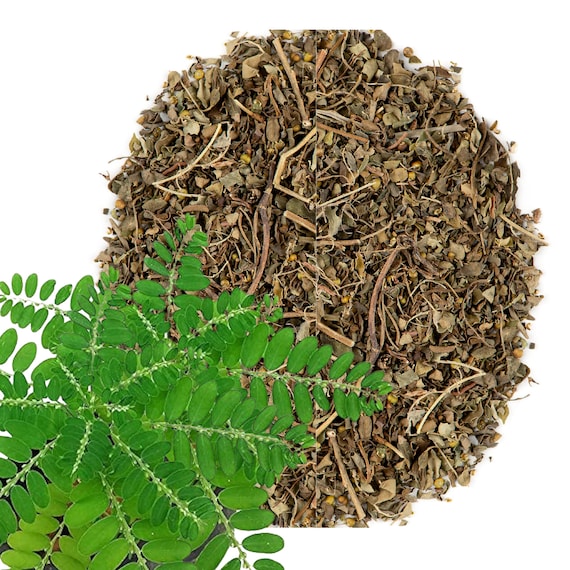
That delicate, feathery weed in the picture?
It’s Phyllanthus niruri, often nicknamed “stonebreaker” or chanca piedra in traditional medicine circles.
In many Asian and South American folk traditions, this little plant is brewed into a liver detox herb tea used to gently support the liver, bile flow, and urinary tract.
You’ll see it in home remedies for fatty liver, sluggish digestion after heavy meals, and even as a helper alongside medical care for gallbladder or kidney stones.
Let’s turn this humble plant into a realistic, safe home tea—plus talk honestly about what it can and can’t do.
What This Herb Does Inside Your Body
Traditional healers reach for chanca piedra when someone feels:
- Heavy or full around the liver area after meals
- Sluggish digestion after fatty or fried food
- Prone to gravel-like kidney or gallbladder issues (alongside medical treatment, not instead of it)
From a traditional perspective, this plant is said to:
- “Cool and drain heat” from the liver
- Promote smoother bile flow
- Encourage the body to move out excess “dampness” (stagnation, puffiness, heaviness)
From a modern science lens, Phyllanthus species have been found to contain:
- Lignans and flavonoids – antioxidant compounds that help protect liver cells from oxidative stress
- Mild diuretic properties – support urine flow and may help flush small mineral deposits
- Bitter principles – signal digestion to wake up, helping bile and digestive juices flow
This doesn’t mean the herb dissolves stones or reverses fatty liver on its own. But as part of a broader lifestyle (lighter diet, movement, less alcohol), it may offer gentle support to the liver and biliary system.
How To Prepare “Stonebreaker” Liver Tea
You can use the whole aerial parts (leaves and stems) fresh or dried. The photos show fresh sprigs infused into water.
Basic Stonebreaker Tea (Fresh Herb)
You’ll need:
- 1 small handful of fresh, well-washed plant (about 5–8 sprigs)
- 1 cup hot water (just off the boil)
- Optional: a slice of lemon or a bit of honey
Steps:
- Rinse the herb thoroughly to remove soil and dust.
- Roughly chop or bruise the sprigs to release the juices.
- Place them in a mug or teapot.
- Pour hot water over, cover, and steep 10–15 minutes.
- Strain, add lemon or honey if you like, and sip slowly.
Using Dried Herb
If you dry the plant or buy it pre-dried:
- Use 1–2 teaspoons dried herb per cup.
- Steep 10–15 minutes as above.
You can drink it warm or cool it and pour into a bottle the way it’s shown in the image.
When To Drink It & How Often
For gentle liver and gallbladder support, many traditional protocols suggest:
- 1–2 cups per day, away from very heavy meals
- Short “seasons” of use such as 2–4 weeks, then a break
Good timing ideas:
- Mid-morning: after breakfast, to support bile and digestion through the day.
- Mid-afternoon: instead of a sugary drink, especially after a rich lunch.
Always start small: try ½ cup once a day for a few days and see how your body responds before increasing.
Why People Combine It With Liver-Friendly Habits
This herb works best when the rest of your lifestyle is also kind to your liver:
- Eating more vegetables, fiber, and healthy fats
- Cutting back on alcohol, deep-fried foods, and sugary drinks
- Moving your body daily to keep circulation and lymph flowing
- Sleeping enough so the liver can do its overnight “housekeeping”
What you can realistically expect
- Within a few days:
- Some people notice lighter digestion, less post-meal heaviness, and slightly easier bowel movements.
- Within 2–4 weeks (with lifestyle changes):
- Bloating may be less frequent, energy a bit more stable, and that “congested” feeling under the ribs may soften.
Real changes in things like liver enzymes or gallbladder function must be monitored by a healthcare professional – tea alone is not enough.
Safety, Side Effects & Who Should Avoid This Herb
Even gentle herbs deserve respect.
Be extra cautious or speak with your doctor if you:
- Have serious liver disease, hepatitis, or cirrhosis
- Have known kidney disease or are prone to large stones
- Are pregnant, breastfeeding, or trying to conceive
- Take regular medications, especially:
- Blood pressure drugs
- Blood thinners
- Diabetes medications
- Liver-metabolized drugs
Possible side effects if you overdo it can include:
- Loose stools
- Stomach discomfort
- More frequent urination
- Rarely, allergic reactions
If you notice yellowing of the skin, severe pain, fever, dark urine, or any worrying symptom, stop the herb and seek medical help immediately.
Those can be signs of serious liver or gallbladder issues that need professional care.
Important: Never use this tea as a DIY treatment for gallbladder or kidney stones without medical supervision. Stones can move and cause dangerous blockages—this is an emergency situation, not a home-remedy moment.
How To Identify & Source It Safely
The plant in your image shows:
- Slender upright stems
- Very small, paired leaflets arranged along the stem like a tiny ladder
If you’re not absolutely sure you can identify chanca piedra where you live:
- Buy it dried from a reputable herbal supplier instead of wild-harvesting.
- Avoid plants growing next to roadsides, industrial areas, or sprayed lawns.
Correct ID is non-negotiable – never ingest a plant you’re not 100% sure about.
Final Takeaway
This little “stonebreaker” herb isn’t magic, but it can be a gentle ally for your liver and gallbladder when paired with smart food choices and proper medical care.
A simple daily cup of tea may help you feel lighter after meals, less puffy, and more in tune with how your body handles fats and toxins.
Save this guide if you’d like to try liver-support tea seasonally.