Some fruits carry especially strong scientific interest for cancer prevention because they are rich in polyphenols, carotenoids, or unique bioactive compounds that influence inflammation, oxidative stress, cell growth, and detox pathways. They do not “cure” or “kill” cancer, but they can support the body’s natural defense systems over time when eaten as part of an overall healthy diet.
Here is a cleaner, more scientific rewrite of your guide, keeping the claims realistic and evidence-aware.
Fruits with promising anti-cancer research
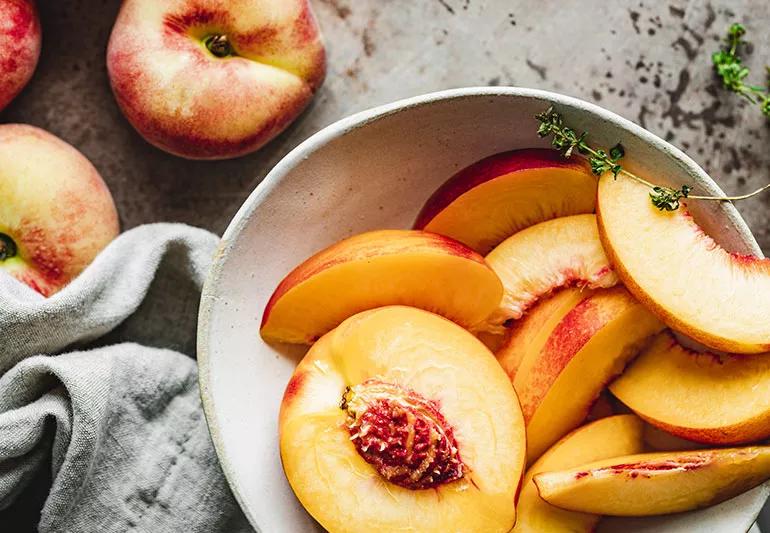
Peaches
Peaches contain chlorogenic acids and other phenolic compounds that show antioxidant and anti‑inflammatory activity in cell and animal studies, which may help protect DNA from oxidative damage and modulate pathways involved in abnormal cell growth.
Açaí berries
Açaí is rich in anthocyanins and proanthocyanidins. In rodent models of colon cancer, açaí supplementation reduced tumor number and size and lowered pro‑inflammatory cytokines while increasing antioxidant enzyme activity. Human data are still limited, but mechanistic studies are encouraging.
Kiwi
Kiwi provides high vitamin C and other antioxidants, plus the enzyme actinidin. These support DNA protection, immune function, and reduction of oxidative stress, all of which are important in cancer prevention biology, although direct cancer outcome data are limited.
:quality(75)/2023_12_11_638379350522333123_kiwi-bao-nhieu-calo.jpg)
Avocado
Avocado supplies glutathione and various carotenoids and phenolics. Glutathione plays a central role in cellular detoxification and redox balance, helping cells cope with reactive oxygen species that can damage DNA and proteins.
Apples (especially the peel)
Apple peels are rich in quercetin and other flavonoids that have been studied for anti‑inflammatory, antioxidant, and anti‑proliferative effects in cell and animal models. These compounds can influence signaling pathways involved in cell cycle control and apoptosis.

Strawberries
Strawberries contain ellagic acid and anthocyanins. Preclinical studies show these can modulate carcinogen metabolism, reduce oxidative damage, and influence cell cycle regulation in ways that may be protective.
Dragon fruit
Dragon fruit provides betalains and prebiotic fiber. Betalains act as antioxidants, while the fiber supports a healthier gut microbiota, which is increasingly recognized as an indirect but important factor in inflammation and immune regulation related to cancer risk.
Pomegranate
Pomegranate is one of the most extensively studied fruits in cancer research. Its polyphenols, especially punicalagins and ellagitannins, show antiproliferative, anti‑invasive, and pro‑apoptotic effects in multiple cancer cell lines and animal models, including breast, prostate, colon, and lung cancer. Human trials are still emerging, but pomegranate is widely considered a promising chemopreventive fruit.
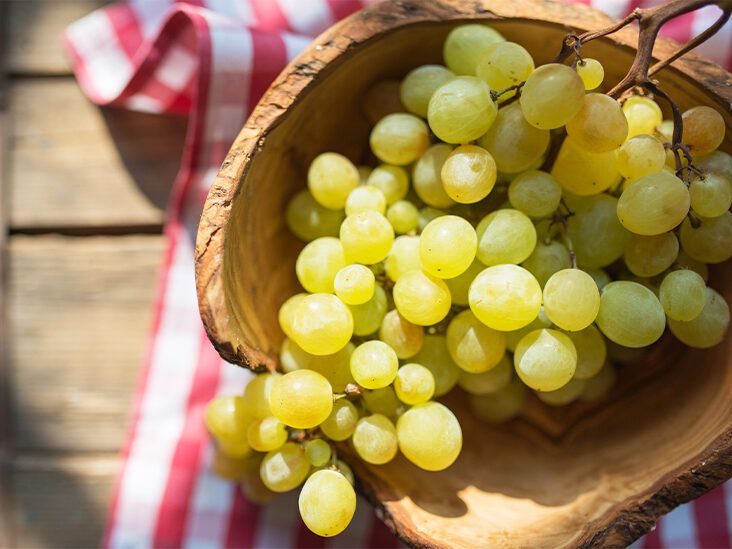
Grapes
Grapes provide resveratrol along with many other polyphenols. Resveratrol has demonstrated anticancer actions in vitro and in animal models, including modulation of cell growth, induction of apoptosis, and inhibition of tumor spread. Human data are mixed and dose-dependent, but regular grape intake is considered compatible with reduced cancer risk as part of a plant‑rich diet.
 Soursop (graviola)
Soursop contains annonaceous acetogenins that have shown potent effects on cancer cells in vitro. However, research is mixed and largely preclinical, and there are concerns about potential neurotoxicity with very high or concentrated intake. It should be seen as a food with interesting compounds, not a treatment.
Tart cherries
Tart cherries are rich in anthocyanins and melatonin. Anthocyanins have been linked to reduced oxidative stress and modulation of inflammatory and cell‑signaling pathways that are relevant to cancer biology. Melatonin may additionally support cellular repair at night.
Plums
Plums, like peaches, contain phenolic compounds (such as chlorogenic and neochlorogenic acids) that exhibit antioxidant and antiproliferative effects in laboratory studies, particularly against certain breast cancer cell lines.
What this means in practice
These fruits do not “kill cancer cells” in a clinical sense, and they cannot replace medical treatment or screening. Instead, the evidence suggests they can:
-
Lower oxidative stress and DNA damage
-
Help regulate inflammatory pathways
-
Influence detoxification and cell‑signaling systems
-
Support gut and immune health, indirectly affecting cancer risk
A practical, reasonable goal is to:
-
Eat 1–2 servings per day of a variety of deeply colored fruits (such as berries, pomegranate, grapes, kiwi, plums, or citrus).
-
Keep them as part of a broader pattern that includes vegetables, whole grains, legumes, nuts, and seeds, while limiting processed meats, excess alcohol, and highly refined foods.
Think of these fruits as supportive tools that strengthen your body’s internal defense systems over the long term—not as stand‑alone cures, but as valuable components of a cancer‑aware, whole‑food eating pattern.