When your chest feels tight, your throat scratchy, or you’re recovering from a lingering cough, it’s natural to reach for something soothing and “lung cleansing.”
Herbs like oregano, licorice, and rosemary have been used for centuries in teas, steams, and cooking to comfort the airways and support the body while it fights off infections.
They don’t magically “eliminate viruses,” and they’re not a substitute for medical treatment or vaccines – but they can be beautiful sidekicks for your lungs when used safely and consistently.
Let’s turn the three herbs in the image into a simple, practical lung-support toolkit.
A Quick Reality Check Before You Start
- Herbs can support your immune system and soothe tissues, but they do not cure flu, RSV, COVID, pneumonia, or hepatitis.
- Think of them as helpers that make you more comfortable while your body and your healthcare plan do the main job.
- Always see a doctor urgently for trouble breathing, chest pain, high fever, coughing up blood, or symptoms that don’t improve.
With that grounded mindset, let’s meet your three lung-friendly herbs.
The 3 Lung-Loving Herbs
1. Oregano – Tiny Leaves with Strong Oils
Oregano is more than a pizza topping. Its leaves and essential oil contain compounds like carvacrol and thymol, which show antimicrobial and antioxidant activity in lab studies. These may help the body handle pathogens and calm some inflammation in the airways.
How oregano may support your lungs
- The aromatic oils can feel clearing when you inhale their steam.
- Warm oregano teas or broths may help loosen thick mucus so it’s easier to cough up.
- Its antioxidant content helps neutralize free radicals created during infections and pollution exposure.
Simple ways to use oregano
- Oregano tea: Steep 1–2 teaspoons of dried oregano (or a small handful of fresh) in hot water for 5–10 minutes. Sip warm.
- Steam bowl: Add a teaspoon of dried oregano to a bowl of hot water, tent a towel over your head, and breathe the steam for a few minutes (be careful with hot water).
- Everyday cooking: Add fresh or dried oregano liberally to tomato sauces, roasted vegetables, and soups.
Avoid ingesting concentrated oregano essential oil unless you’re working with a qualified practitioner; it’s very strong and can irritate.

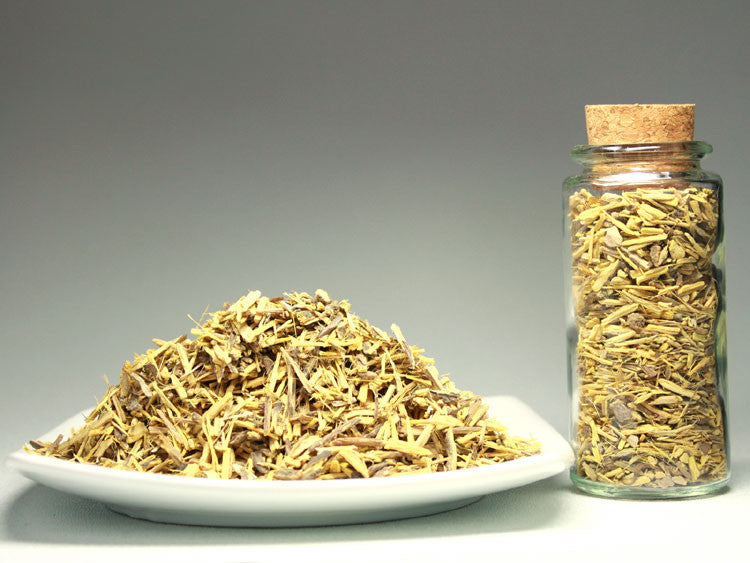
2. Licorice Root – Moistening, Soothing Sweetness
Licorice root (Glycyrrhiza glabra) has a naturally sweet taste and a long history in herbal formulas for coughs and sore throats. It contains compounds that appear to be demulcent (coating) and mildly anti-inflammatory.
How licorice may support your lungs
- Helps loosen mucus, making it easier to cough up rather than feel stuck in the chest.
- The soothing, coating quality can calm an irritated throat and upper airways.
- Its gentle sweetness makes other herbs (like thyme or oregano) taste more pleasant in blends.
Simple licorice tea
- Use about ½–1 teaspoon of dried licorice root per cup of water.
- Simmer gently for 10–15 minutes, then strain.
- Drink 1–2 cups per day for a few days when your throat feels rough or your cough is nagging.
Important safety note: Licorice root can raise blood pressure and lower potassium if overused. Avoid large or long-term doses if you have high blood pressure, heart or kidney disease, are pregnant, or take certain medications. In those cases, talk with your doctor first or skip licorice.
3. Rosemary – Aromatic Lung & Immune Support
Rosemary’s needle like leaves contain fragrant oils such as cineole and rosmarinic acid, which may have antioxidant and antimicrobial effects. Its scent alone feels fresh and invigorating.
How rosemary may support your lungs
- The vapors can feel clearing to the head and chest when you breathe them in.
- Antioxidants help defend delicate lung tissue from oxidative stress caused by pollution and infection.
- A warm rosemary infusion may help relax smooth muscles in the airways and promote easier breathing in mild tightness.
Easy rosemary uses
- Steam inhalation: Add a sprig of fresh rosemary to hot water and inhale the steam (as with oregano).
- Herbal bath: Toss a handful of rosemary into bathwater for a relaxing, aromatic soak that also opens the chest.
- Cooking: Use rosemary with roasted potatoes, vegetables, fish, or poultry to get its benefits in daily meals.
Some people with asthma find strong scents irritating rather than helpful. Start gently and back off if rosemary steam makes you cough more.

How to Build a Simple “Lung Support” Routine
When you’re fighting a virus or recovering from one, try this gentle pattern for a few days:
- Morning:
- Warm water with lemon, then a cup of oregano + rosemary tea (light amounts of each).
- Afternoon:
- Nourishing soup or broth seasoned with garlic, onion, oregano, and rosemary.
- Evening:
- One cup of licorice tea (if it’s safe for you) or rosemary tea to soothe the throat.
- Optional short steam inhalation with oregano or rosemary before bed.
Pair this with plenty of water, sleep, and your prescribed treatments.
When You Might Notice a Difference
Everyone’s body is different, but generally:
- Within a day:
- Steam inhalations and teas may make breathing feel clearer and throat soreness less raw.
- Within 3–5 days (while the illness runs its course):
- You may notice looser mucus, less chest tightness, and easier coughing.
If symptoms are worsening instead of improving – or you’re short of breath, wheezing, or very weak – seek medical care immediately.
Final Takeaway
Oregano, licorice, and rosemary won’t magically wipe viruses from your body, but they can comfort your lungs, support your immune system, and make recovery feel gentler when used wisely.
Keep these three herbs in your kitchen as allies, not cures: add them to teas, steams, and everyday cooking, and let them work quietly alongside rest, hydration, and proper medical care.
Save this guide so you have it ready for the next cough season.