When the weather is hot or your body feels “inflamed,” it can show up as brain fog, irritability, thirst, acne flare-ups, or poor sleep.
Cooling your system is not just about air-conditioning. What you put on your plate can quietly turn down the internal heat too.
Here are six natural body cooling foods from traditional Asian and herbal wisdom that also make sense nutritionally. Most people never realize how powerful these simple ingredients are because they look like everyday snacks.
1. Cucumber – Gentle Internal Cooling
Cucumber is mostly water with a small dose of minerals and B-vitamins.
Its high water content helps move heat out of tissues and supports gentle detox through the kidneys.
- How to use it:
- Add sliced cucumber to salads or wraps.
- Snack on sticks with a sprinkle of salt and lemon.
- Float a few slices in your water bottle for a steady, light cooling effect through the day.
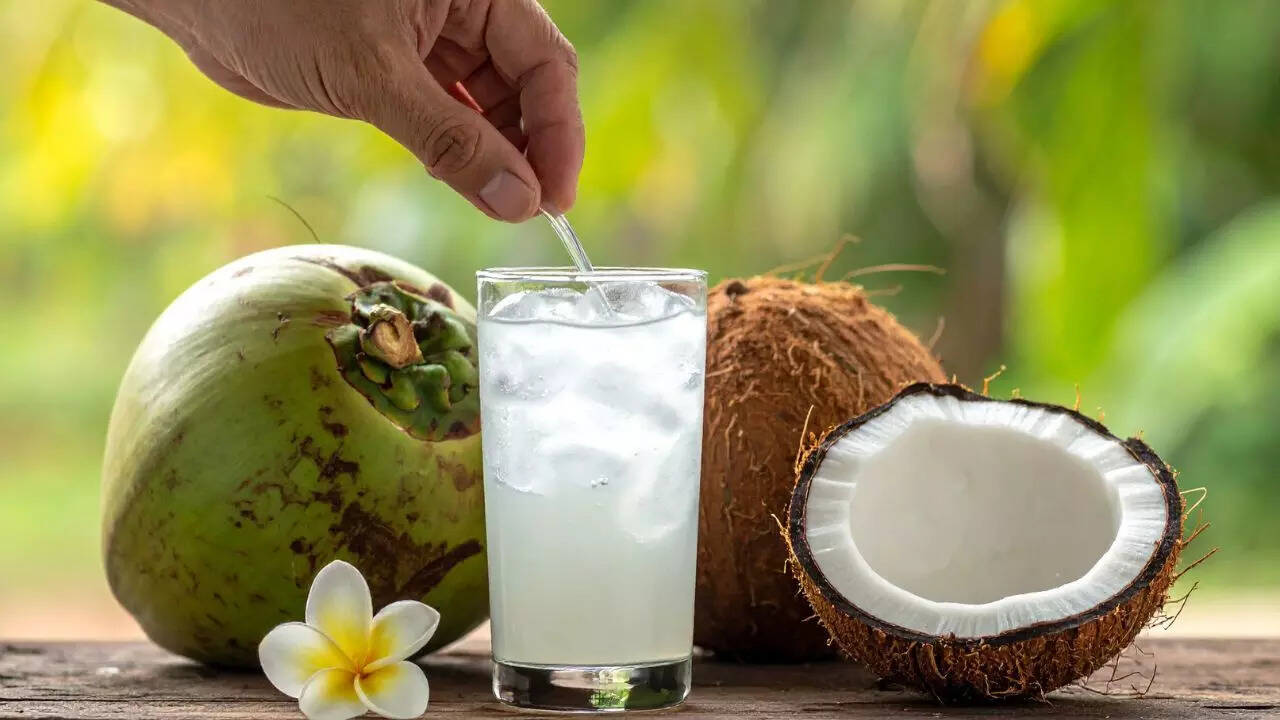
2. Coconut Water – Electrolyte Balance
Coconut water acts like nature’s light electrolyte drink.
It contains potassium and other minerals that help your body manage fluid balance, which is key when you’re sweating or feeling overheated.
- How to use it:
- Sip ½–1 cup chilled in the afternoon heat.
- Blend with a little watermelon or cucumber for a refreshing drink.
Safety note: If you have kidney problems or need to restrict potassium, talk to your doctor before drinking coconut water regularly.
3. Aloe Vera Inner Gel – Soothes Internal Heat
The clear inner gel of aloe vera is traditionally used to soothe heat and irritation.
Aloe’s gel texture holds water and plant compounds that calm the lining of the gut and support gentle elimination.
- How to use it:
- Use only the inner clear gel, not the bitter outer peel or yellow latex.
- Blend 1–2 tablespoons of gel into water or coconut water and drink soon after.
Safety note: Avoid aloe latex (the yellow part under the skin). It can be harsh and laxative. Pregnant women, breastfeeding mothers, and people with digestive disease or on medication should ask their healthcare provider before using aloe internally.
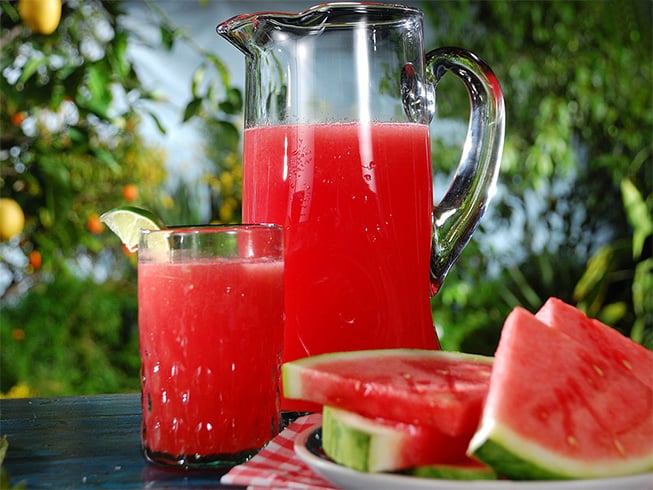
4. Watermelon – Hydrates and Lowers Heat
Watermelon is a classic summer cooler.
It is rich in water, natural sugars and the antioxidant lycopene, which can help your body handle heat and sun exposure.
- How to use it:
- Enjoy a cup of chilled cubes as a snack.
- Blend with coconut water for a light “cooling juice.”
For blood sugar balance: Keep portions moderate and pair with something that has fiber or protein later in the day.
5. Chrysanthemum Tea – Cools Liver Heat
In East-Asian herbal traditions, chrysanthemum tea is used to “clear heat,” especially around the head and eyes.
The flowers contain antioxidants that may support circulation and calm the nervous system, which often feels revved up in hot weather.
- How to use it:
- Steep 1–2 teaspoons of dried flowers in hot water for 5–7 minutes.
- Drink warm or at room temperature rather than icy cold if you have a sensitive stomach.
6. Pear – Moistens and Cools
Pear has a juicy, soft texture that feels soothing when your throat or chest feels dry or irritated.
Its high water and fiber content help moisten the lungs and bowels while gently lowering heat.
- How to use it:
- Eat a fresh pear as a mid-morning snack.
- Slice it into a bowl with watermelon or cucumber for a simple cooling fruit plate.
How to Build a “Cooling Plate” in a Day
You do not need all six foods at once. Rotate and combine them like this:
- Breakfast: Pear slices and cucumber rounds on the side of your usual meal.
- Mid-day: A glass of coconut water or watermelon cubes when the heat peaks.
- Afternoon break: Chrysanthemum tea instead of another coffee.
- Evening: A small aloe-cucumber drink if you feel hot, bloated, or “wired.”
This keeps cooling support steady without overwhelming your digestion.
When You’ll Notice Changes
Cooling foods work gently, not dramatically. Many people notice:
- Slightly better comfort and less facial redness within 1–3 days.
- Easier sleep on hot nights and less “overheated” mood within about a week.
- Calmer skin and more regular bowel movements over 2–4 weeks of consistent eating and hydration.
Remember, they support your body’s natural balance; they don’t replace medical treatment.
Tips to Combine Them Effectively
- Avoid over-icing everything. Too many icy drinks can upset digestion. Cool or room-temperature is enough.
- Keep sugar in check. Watermelon and pear are sweet. Use small bowls, not bottomless tubs, especially if you manage blood sugar.
- Listen to your body. If you tend to feel cold or have low blood pressure, go slower with heavy cooling days and add warming foods at other meals.
- Pair with rest. Cooling foods work even better when you’re sleeping enough and not pushing through extreme heat or stress.
Save this guide if you want to build your own “cooling day” menu later – and share it with someone who wilts in the heat every summer and needs gentle, natural relief.