Stiff knees when you get up? Ankles that complain after a short walk?
Joint discomfort often creeps in slowly, and most people assume it’s just “aging.”
But what you put on your plate every single day can quietly calm inflammation, feed your cartilage, and support easier movement.
Let’s turn joint support foods into a simple, daily guide.
1. Turmeric – The Golden Anti – Inflammatory
Turmeric contains curcumin, a compound known for its strong anti-inflammatory effects. It doesn’t replace medication, but it can help dial down the background “heat” around achy joints.
How to use it
- Stir ½ teaspoon into soups, curries or lentils.
- Whisk into warm milk with a pinch of black pepper (which helps absorption).
2. Ginger – Joint – Warming Comfort
Ginger brings a gentle heat and contains gingerols, compounds that can ease pain perception and inflammation.
How to use it
- Grate fresh ginger into stir-fries or salad dressings.
- Make a simple ginger tea with hot water and a slice of lemon.
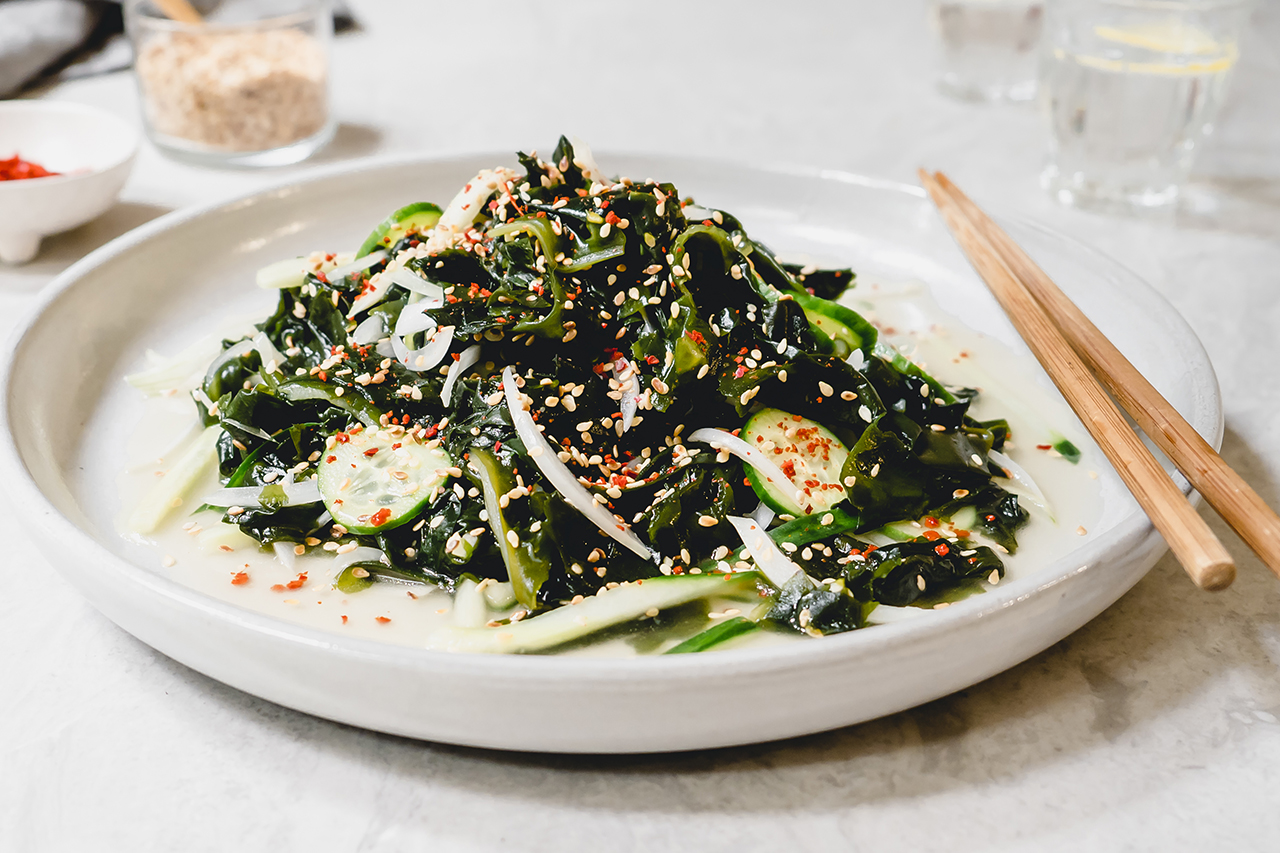
3. Seaweed – Mineral – Rich Support
Seaweed is packed with iodine, magnesium, calcium and trace minerals needed for bone and joint health.
How to use it
- Add dried seaweed flakes to soups or miso broth.
- Use seaweed sheets to wrap rice and veggies for easy sushi-style rolls.
4. Chia Seeds – Joint “Lubrication”
Chia seeds are rich in omega-3 fatty acids and fiber. Omega-3s help support the natural lubrication and flexibility of joints.
How to use it
- Soak 1–2 tablespoons in milk or plant milk overnight for chia pudding.
- Sprinkle over oats, yogurt or salads.
5. Citrus Fruits – Collagen Support
Oranges, lemons and other citrus fruits provide vitamin C, which your body needs to make collagen—the structural protein in cartilage and connective tissue.
How to use it
- Add orange segments to salads.
- Squeeze lemon over vegetables and fish instead of heavy sauces.
6. Tomatoes – Lycopene Protection
Tomatoes are rich in lycopene, an antioxidant that helps protect joint tissues from everyday oxidative stress.
How to use it
- Enjoy cooked tomatoes in sauces, which actually boosts lycopene availability.
- Add cherry tomatoes to grain bowls or snacks.
7. Olive Oil – Liquid Anti – Inflammatory
Extra-virgin olive oil contains oleocanthal, a compound with anti-inflammatory properties similar to mild ibuprofen (without the pill).
How to use it
- Use as your main cooking oil over medium heat.
- Drizzle over salads and cooked vegetables instead of creamy dressings.
8. Mushrooms – Immune Support for Joints
Mushrooms offer B vitamins, selenium and beta-glucans that support the immune system. A balanced immune response helps keep joint inflammation in check.
How to use it
- Sauté mushrooms with garlic as a side dish.
- Add to omelets, soups or pasta for extra volume and nutrients.

9. Spinach – Green Inflammation Tamer
Spinach brings vitamin K, magnesium and antioxidants that help reduce inflammation and support bone density around joints.
How to use it
- Toss a handful into smoothies (you barely taste it).
- Lightly sauté with olive oil and lemon as an easy side.
10. Fatty Fish (Salmon, Mackerel, Herring)
Fatty fish are loaded with omega-3 fats (EPA and DHA), which help dial down inflammatory pathways that irritate joints. Regular intake is linked with less morning stiffness and improved joint comfort in people with inflammatory joint issues when combined with medical care.
How to use it daily (or almost daily):
-
Grill or bake salmon 1–3 times per week.
-
Add canned mackerel or herring to salads or whole-grain toast.
-
Swap processed meats (sausages, deli meat) for fish at least a few dinners per week.
11. Walnuts
Walnuts are another quiet omega-3 hero—especially handy if you do not eat much fish. They also provide magnesium, copper and antioxidants, minerals that support bone and cartilage structure.
How to use them:
-
Eat a small handful (about 1 ounce) as an afternoon snack.
-
Sprinkle chopped walnuts over oats, yogurt or salads.
-
Blend into pesto or sauces instead of only using cheese.
12. Tart Cherries (Fresh or Juice)
Tart cherries are rich in anthocyanins, deep red pigments with strong antioxidant and anti-inflammatory properties. Small studies suggest tart cherry intake can ease muscle soreness and may help reduce flare-type joint discomfort in some people when used regularly alongside other treatments.
How to use them:
-
Add frozen tart cherries to smoothies.
-
Drink a small glass (about ½ cup) of unsweetened tart cherry juice diluted with water in the evening.
-
Mix dried tart cherries into homemade trail mix with walnuts and seeds.

How to Build a Daily Plate with Joint Support Foods
You don’t have to eat all nine every day. Aim for 3–4 of them spread across your meals:
- Breakfast: Oats with chia seeds and a side of citrus fruit.
- Lunch: Tomato and mushroom soup with a drizzle of olive oil and a spinach salad.
- Snack: A small citrus and ginger tea.
- Dinner: Stir-fried veggies with turmeric, ginger and a little seaweed over rice.
Small amounts, often, matter more than a huge “detox” once in a while.
Final Takeaway
Your joints don’t just need rest—they need the right fuel.
By weaving turmeric, ginger, seaweed, chia seeds, citrus fruits, tomatoes, olive oil, mushrooms and spinach into your daily meals, you give your body quiet, consistent support from the inside out.
Save this guide so you can plan your next joint-friendly grocery trip.