Omega-3s are like oil for the body’s engine.
They help keep your blood vessels flexible, support brain function, tame inflammation, and even influence mood and hormones.
Most people think “salmon” and stop there. But the image we shared is a mini treasure map of 11 omega-3 rich foods you can rotate through the week so it never feels boring.
Let’s break them down and talk about exactly how to use each one.
1. Chia Seeds
Tiny but powerful, chia seeds provide plant-based omega-3s (ALA) plus fiber and protein.
Why they matter:
They support heart health, digestion, and keep you full longer, which can gently help with weight balance.
How to use them:
- Stir into yoghurt or oatmeal.
- Make chia pudding by soaking them in milk overnight.
- Sprinkle over salads or smoothies.
2. Flaxseeds
Flaxseeds are one of the richest plant sources of omega-3s.
Why they matter:
They bring fiber, lignans (plant compounds that may support hormone balance), and healthy fats.
How to use them:
- Always use ground flaxseeds so your body can absorb the nutrients.
- Add to smoothies, oats, pancakes, or homemade bread.
3. Walnuts
Walnuts are a crunchy snack packed with omega-3s, protein, and minerals.
Why they matter:
They can help lower inflammation and support brain and heart health.
How to use them:
- Snack on a small handful.
- Add to salads, oats, or yoghurt.
- Chop and sprinkle over roasted vegetables.

4. Pumpkin Seeds
Pumpkin seeds provide omega-3s along with magnesium, zinc, and protein.
Why they matter:
Magnesium helps with muscle relaxation, sleep, and blood sugar control.
How to use them:
- Toast lightly and sprinkle over soups or salads.
- Mix into granola or trail mix.
- Use as a crunchy topping for stir-fries.
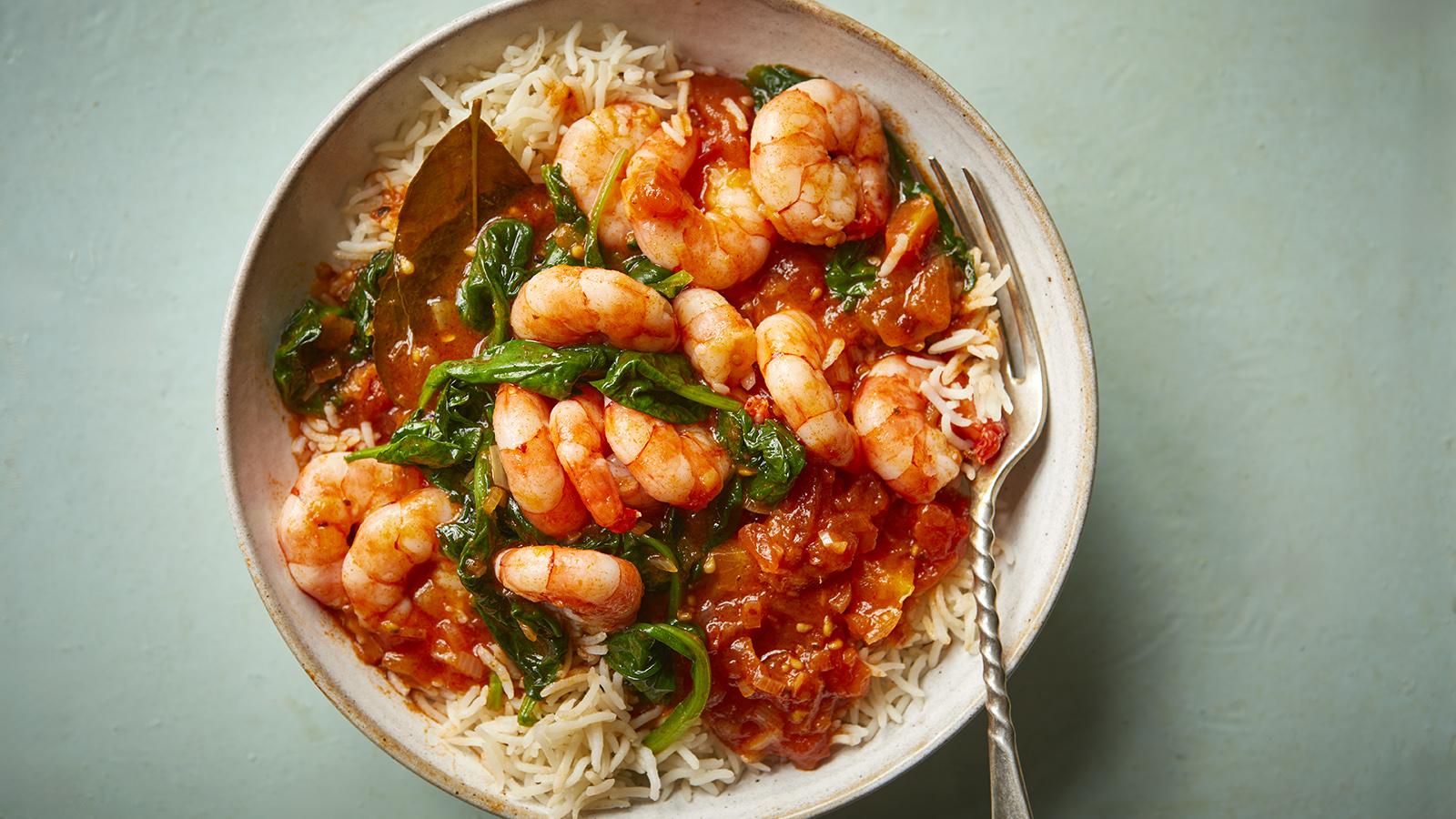
5. Prawn
Prawns offer a moderate amount of omega-3s plus protein and minerals like selenium.
Why they matter:
They’re a lean seafood option that supports muscle maintenance and heart health.
How to use them:
- Stir-fry with vegetables and garlic.
- Add to salads, curries, or pasta.
- Grill with lemon and herbs.
6. Sesame Seeds
Sesame seeds contain some omega-3s along with healthy fats and calcium.
Why they matter:
They support bone health and add satisfying richness to meals.
How to use them:
- Sprinkle on stir-fries, salads, or soups.
- Use tahini (sesame paste) in dressings or hummus.
7. Mustard Seeds
Mustard seeds bring a small amount of omega-3s plus flavor, antioxidants, and minerals.
Why they matter:
They help turn simple dishes into something exciting without relying on heavy sauces.
How to use them:
- Temper them in hot oil at the start of cooking curries or lentils.
- Add to pickles or dressings for a gentle kick.
8. Hazelnuts
Hazelnuts provide healthy fats, some omega-3s, vitamin E, and fiber.
Why they matter:
Vitamin E works as an antioxidant to protect your cells.
How to use them:
- Snack on a small handful.
- Add to oatmeal, yoghurt, or salads.
- Use crushed hazelnuts as a coating for fish or chicken.
9. Sardines
Sardines are a powerhouse: omega-3s, vitamin D, protein, and calcium (if you eat the soft bones).
Why they matter:
They support bones, heart, and brain in one affordable serving.
How to use them:
- Eat canned sardines on whole-grain toast with lemon.
- Mix into tomato sauce for pasta.
- Add to salads with leafy greens.

10. Salmon
Probably the most famous omega-3 food, salmon is rich in EPA and DHA.
Why it matters:
These forms of omega-3 are especially helpful for heart, brain, and joint health.
How to use it:
- Bake with olive oil, lemon, and herbs.
- Add to grain bowls with vegetables.
- Use leftovers in salads or wraps.
11. Herring
Herring is another fatty fish loaded with EPA and DHA.
Why it matters:
It offers similar benefits to salmon and sardines, sometimes at a lower cost.
How to use it:
- Enjoy lightly grilled or baked.
- Use pickled herring (if you like it) with rye bread and salad.
Final Takeaway
You don’t need capsules to boost your omega-3 intake. With chia seeds, flaxseeds, walnuts, pumpkin seeds, prawn, sesame seeds, mustard seeds, hazelnuts, sardines, salmon, and herring, you can turn everyday meals into quiet anti-inflammatory support for your heart, brain, and joints.
Save this guide for your next grocery trip, and share it with someone who wants a simple, food-first way to get more omega-3s.