Breast cancer can feel scary because so much seems out of our control.
But your daily plate quietly shapes inflammation, hormones, and how well your cells protect themselves from damage.
Food is not a cure and it can’t replace screening or treatment.
Still, certain ingredients are linked with a lower risk of breast cancer and better overall breast health when they’re part of a long-term, balanced lifestyle.
1. Berries – Antioxidants That Protect Cells
Berries (blueberries, raspberries, strawberries, blackberries) are loaded with antioxidants such as vitamin C and anthocyanins.
- These compounds help neutralize free radicals that can damage DNA.
- Healthier DNA means fewer chances for cells to grow in abnormal ways.
How to enjoy them:
- Add a handful to yoghurt, oats, or smoothies.
- Keep frozen berries on hand for an easy dessert instead of sugary ice cream.

2. Carrots – Linked to Lower Risk
Carrots are rich in beta-carotene, a precursor to vitamin A.
- Beta-carotene helps support normal cell growth and immune function.
- Studies have linked higher carrot and orange-vegetable intake with a lower risk of some cancers.
Easy ideas:
- Snack on carrot sticks with hummus.
- Add grated carrot into salads, soups, or stir-fries.
3. Leafy Greens – Calm Inflammation
Spinach, kale, collards, and other leafy greens contain folate, vitamin K, magnesium, and antioxidants.
- They help regulate inflammation, which plays a role in many chronic diseases, including cancer.
- Folate supports healthy DNA repair.
How to use them:
- Toss a big handful into omelettes or pasta.
- Build your lunch around a large green salad instead of bread-heavy meals.
4. Omega-3–Rich Fish – Anti-Tumor Support
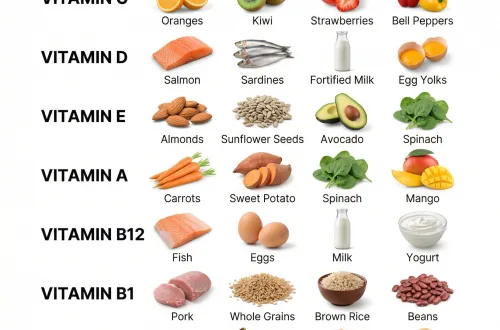
The salmon shown in the image represents omega-3 fatty acids, found in fatty fish.
- Omega-3s may help reduce inflammation and support healthy cell membranes.
- Some research suggests they may have gentle anti-tumor and anti-proliferative effects.
How to eat more:
- Aim for 2 servings per week of salmon, sardines, trout, or mackerel.
- Bake or grill instead of deep-frying to keep it heart-healthy.

5. Sulfur Compounds (Garlic) – DNA Protection
Garlic and other allium vegetables (onions, leeks, chives) are packed with sulfur compounds.
- These compounds support detox pathways in the liver.
- They may help protect DNA from damage and support normal cell death in unhealthy cells.
Daily ideas:
- Use fresh garlic when cooking soups, sauces, and stir-fries.
- Roast a whole garlic bulb and spread the soft cloves on whole-grain toast.
6. Beans – Fiber That Helps Regulate Estrogen
Beans are full of fiber and plant protein.
- Fiber helps bind and remove excess estrogen through the digestive tract.
- Balanced estrogen levels are important for hormone-related cancers, including some breast cancers.
How to add them:
- Add beans to salads, chilies, stews, or grain bowls.
- Swap some red meat for beans a few times a week.
7. Lignans – Gentle Hormone Balance
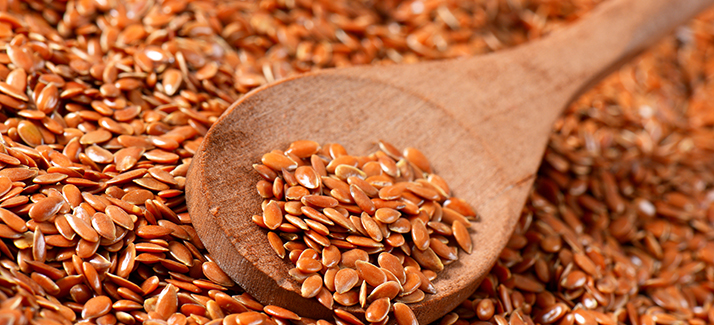
Lignans are plant compounds found in foods like ground flaxseeds and some whole grains.
- They can have mild, balancing effects on estrogen metabolism.
- Instead of pushing hormones up or down, they often help smooth extremes.
How to use them:
- Stir ground flax into yoghurt, smoothies, or oatmeal.
- Sprinkle over salads or vegetables just before serving.
8. Seaweed – Iodine for Breast Health
Seaweed provides iodine and other trace minerals.
- Iodine is essential for thyroid health, which is closely linked to hormone balance.
- Balanced hormones help support overall breast health.
Easy swaps:
- Enjoy miso soup with seaweed.
- Use nori sheets to wrap rice and veggies for a simple homemade sushi-style roll.
9. Apples – Protective Peel
Apples, especially with the skin on, provide fiber, vitamin C, and polyphenols.
- Compounds in the peel have been studied for anti-proliferative effects, meaning they may help slow abnormal cell growth.
- Their fiber also supports gut health and hormone regulation.
How to eat them:
- Snack on a whole apple with a handful of nuts.
- Add sliced apples to salads with leafy greens and beans.
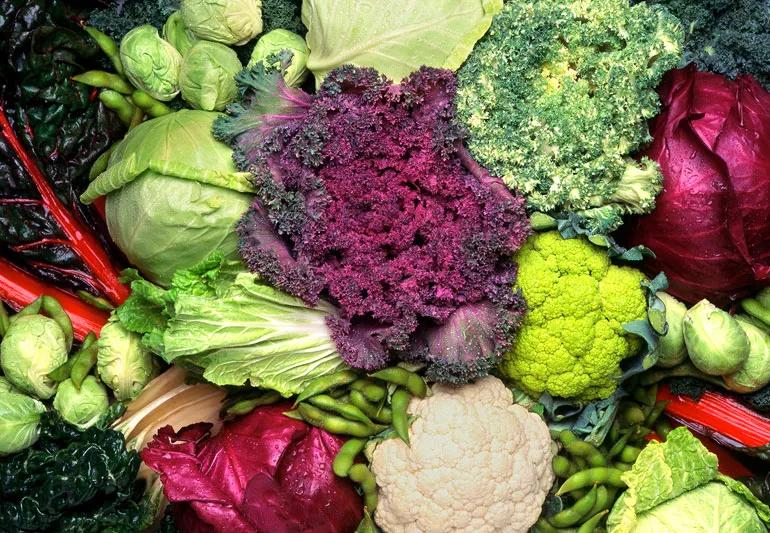
10. Broccoli & Other Cruciferous Veggies
Think broccoli, cauliflower, Brussels sprouts, cabbage, and bok choy.
These vegetables are rich in special plant compounds called glucosinolates, which your body turns into sulforaphane and indole-3-carbinol. These may:
-
Support your liver in breaking down excess estrogen
-
Help your cells repair DNA damage
-
Encourage damaged cells to die off instead of multiply
How to eat more:
-
Lightly steam broccoli and drizzle with olive oil and garlic.
-
Add shredded cabbage and carrots to salads or tacos.
-
Roast Brussels sprouts with a pinch of sea salt for a crispy side.
11. Tomatoes
Tomatoes are loaded with lycopene, a red pigment and antioxidant.
Lycopene may help:
-
Protect breast tissue from oxidative stress
-
Support normal cell signaling and growth
-
Calm low-grade inflammation
Interestingly, lycopene becomes more available when tomatoes are cooked with a little healthy fat.
How to enjoy them:
-
Use tomato sauce simmered with olive oil for pasta or beans.
-
Add cherry tomatoes to salads and grain bowls.
-
Sip on homemade tomato soup with a side of whole-grain toast.
12. Turmeric
Turmeric’s bright yellow-orange color comes from curcumin, a compound studied for its anti-inflammatory and anti-proliferative effects.
Curcumin may help:
-
Reduce chronic inflammation, which can influence cancer risk
-
Support healthy cell growth and programmed cell death
It absorbs better when paired with black pepper and fat.
Easy ways to use it:
-
Stir turmeric and black pepper into lentils, rice, or soups.
-
Make a “golden milk” with warm milk (dairy or plant), turmeric, a pinch of pepper, and a little honey if you like.
-
Add to scrambled eggs or roasted vegetables.
(If you’re on blood thinners or have gallbladder issues, talk to your doctor before taking turmeric supplements.)
13. Extra-Virgin Olive Oil
Extra-virgin olive oil is rich in monounsaturated fats and polyphenols.
These can:
-
Help reduce inflammation
-
Support heart and blood vessel health
-
Provide antioxidants that protect cell membranes
Mediterranean-style eating patterns, which are high in olive oil, have been linked with lower rates of several chronic diseases.
How to swap it in:
-
Use olive oil as your main cooking fat at low to medium heat.
-
Make simple salad dressings with olive oil, lemon, and garlic.
-
Drizzle a little over cooked vegetables, beans, or fish right before serving.
14. Mushrooms
Certain mushrooms (like shiitake, maitake, and oyster mushrooms) contain beta-glucans and other bioactive compounds.
These may:
-
Support immune function
-
Help your body recognize and deal with abnormal cells more efficiently
They are also low in calories and a great stand-in for some meat in recipes.
How to eat them:
-
Sauté mushrooms with garlic and herbs as a side dish.
-
Add to stir-fries, soups, and pasta sauces.
-
Roast large mushroom caps as a “burger” alternative.

15. Whole Grains (Quinoa, Brown Rice, Barley, Oats)
Whole grains keep the bran and germ of the grain, where fiber, vitamins, minerals, and antioxidants live.
They can:
-
Improve insulin sensitivity and blood sugar balance
-
Help your body eliminate excess hormones via the digestive tract
-
Support gut health, which plays a role in inflammation and immunity
Simple swaps:
-
Use brown rice instead of white rice.
-
Try quinoa or barley in salads and soups.
-
Choose whole-grain bread and oats most of the time.
Final Takeaway
Berries, carrots, leafy greens, sulfur-rich garlic, beans, lignans, seaweed, etc… are not magic – but together, they help create a body environment that’s less welcoming to chronic disease.
Save this guide so you can build your next breast-healthy grocery list, and share it with a friend or family member who wants to support their breast health naturally.