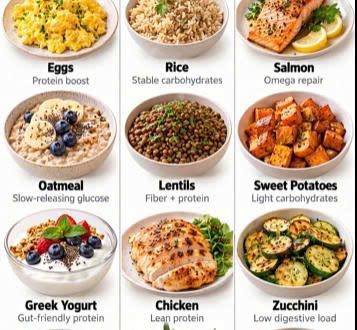
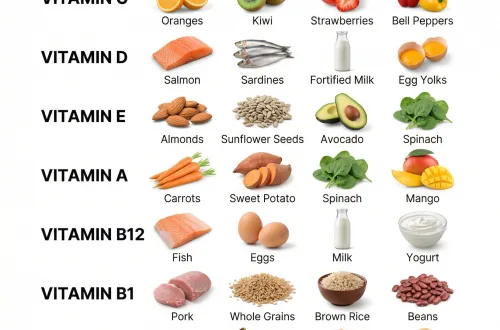
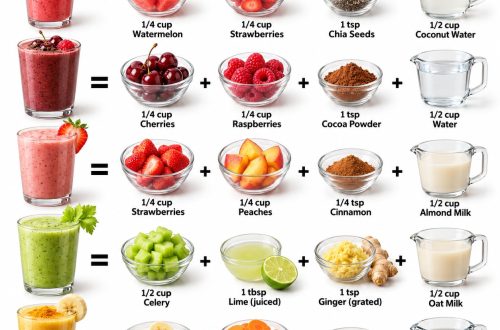
Living with diabetes can feel like walking a tightrope.
One meal gives you steady energy, the next leaves you tired, thirsty, and foggy.
The good news?
Certain everyday foods gently support blood sugar control, reduce inflammation, and keep you fuller for longer. These are not magic cures, but when they show up on your plate consistently, they can make managing diabetes feel less overwhelming.
Below are the foods that naturally help manage diabetes, based on nutrients like fiber, healthy fats, and antioxidants.
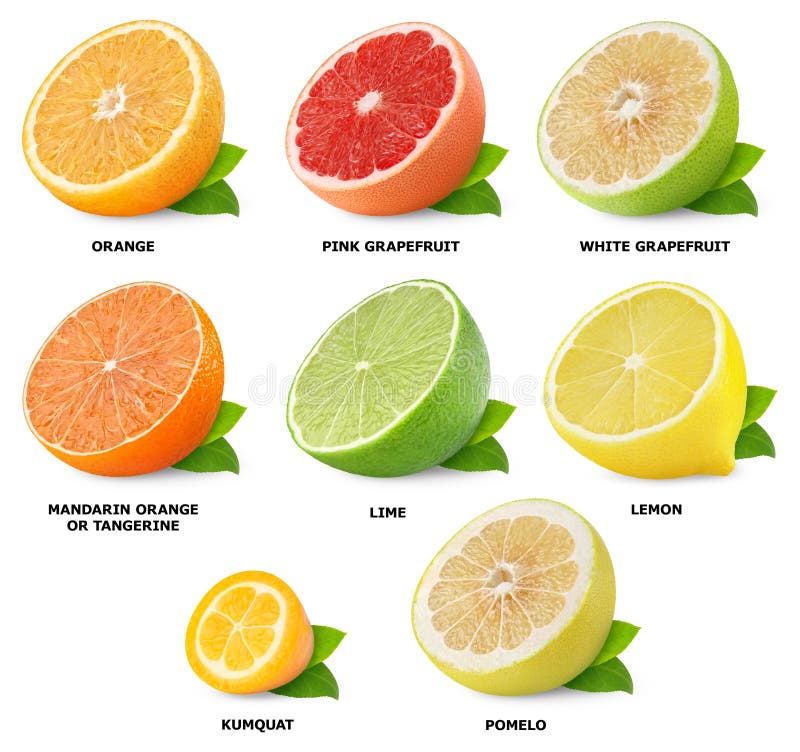
1. Citrus Fruits – A Vitamin C Boost for Insulin Sensitivity
Oranges, lemons, limes, and grapefruit are rich in vitamin C and water.
- Vitamin C acts as an antioxidant, helping reduce inflammation that can worsen insulin resistance.
- Their natural fiber (especially if you eat the segments, not just the juice) slows sugar absorption.
How to use it:
- Add orange slices to salads.
- Squeeze lemon into water or over meals to brighten flavor without extra sugar.
- Choose whole fruit over fruit juice to avoid blood sugar spikes.
2. Beans – Fiber That Steadies Blood Sugar
Black beans, kidney beans, chickpeas, and lentils are packed with fiber and plant protein.
- High fiber means glucose enters the bloodstream more slowly.
- They keep you satisfied for hours, reducing cravings and overeating.
How to add them:
- Mix beans into soups, stews, and salads.
- Use hummus or bean dips as a protein-rich snack with veggies.
3. Nuts – Healthy Fats That Calm Sugar Spikes
Almonds, walnuts, and other nuts offer healthy fats, protein, and minerals.
- Healthy fats help slow digestion and blunt blood sugar spikes after meals.
- Nuts also support heart health, which is crucial for people with diabetes.
How to enjoy them:
- A small handful (about 1 ounce) as a snack.
- Sprinkle chopped nuts over oats or yoghurt.
- Choose unsalted, un-coated nuts (no candy or sugary glazes).
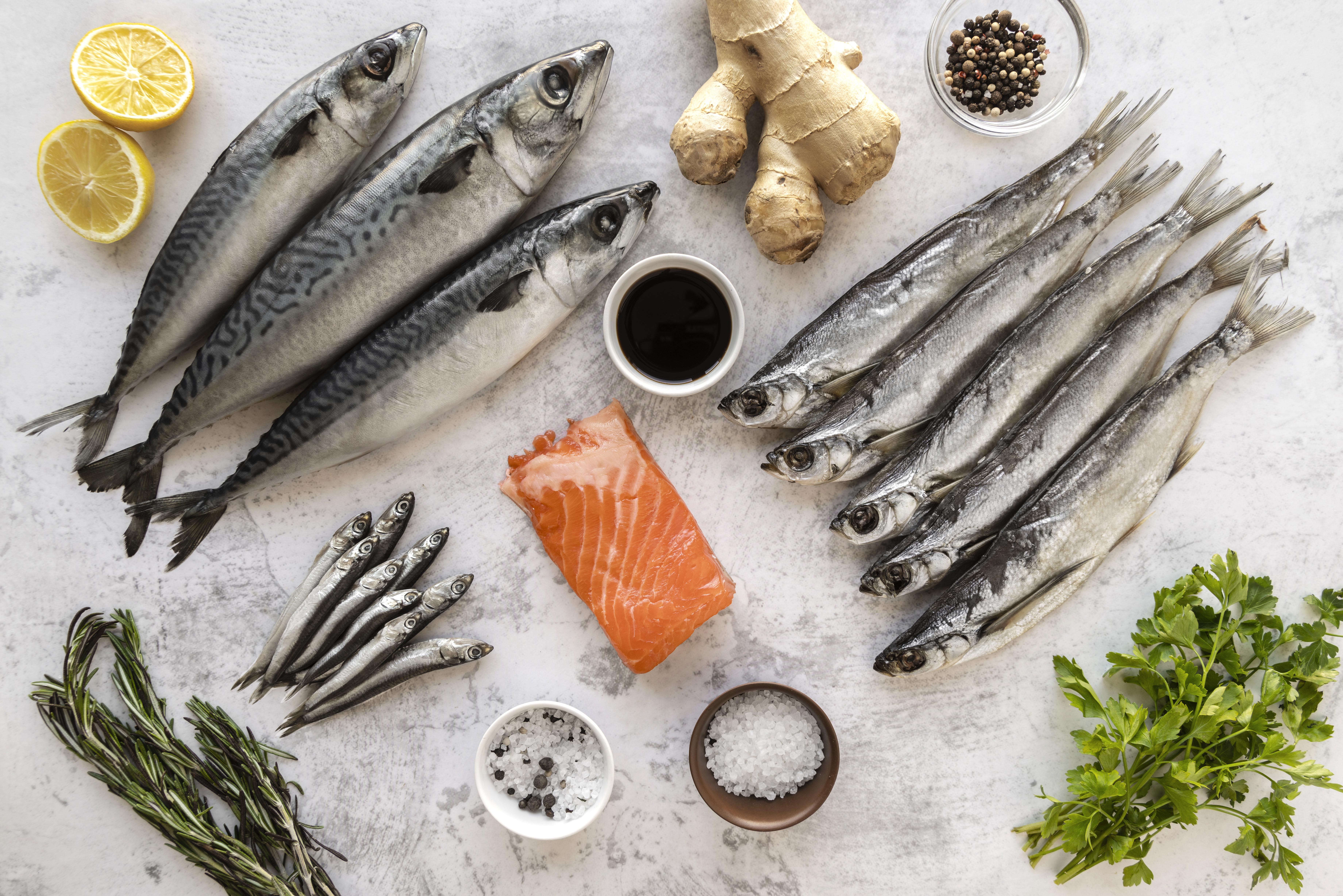
4. Omega-3 Fish – Fatty Acids That Protect the Heart
Salmon and other fatty fish provide omega-3s.
- Omega-3 fats help reduce inflammation and support heart and blood vessel health.
- Heart protection matters, because diabetes increases cardiovascular risk.
How to eat it:
- Aim for 2 portions of fatty fish per week.
- Bake, grill, or steam instead of deep-frying.
5. Tomatoes – Lycopene for Vessels and Vision
Tomatoes are rich in lycopene, a powerful antioxidant.
- Lycopene may help protect blood vessels and support eye health, both areas affected by long-term high blood sugar.
- Tomatoes are naturally low in carbs and calories.
How to use them:
- Add fresh tomatoes to sandwiches, salads, and omelettes.
- Enjoy cooked tomato sauces with whole grains or beans.
6. Oats – Beta-Glucan for Slow-Release Energy
Oats contain beta-glucan, a special type of soluble fiber.
- Beta-glucan forms a gel in the gut that slows digestion and glucose absorption.
- It also supports healthy cholesterol levels.
How to enjoy them:
- Choose plain rolled or steel-cut oats.
- Top with berries, nuts, or a spoon of yoghurt instead of sugar or syrup.
7. Yogurt – Probiotics for Gut and Glucose
Yoghurt (especially unsweetened or Greek) provides probiotics and protein.
- Probiotics support gut health, which may play a role in blood sugar regulation and inflammation.
- Protein helps keep you full and stabilizes blood sugar between meals.
How to eat it:
- Choose plain, unsweetened yoghurt and sweeten gently with berries or a few seeds.
- Use as a snack, breakfast base, or topping for oats.
8. Pumpkin Seeds – Magnesium for Better Insulin Use
Pumpkin seeds are rich in magnesium, a mineral involved in how your body uses insulin.
- Low magnesium is linked with poorer blood sugar control.
- These seeds also contain healthy fats and protein.
How to add them:
- Sprinkle pumpkin seeds over salads, soups, or yoghurt.
- Snack on a small handful instead of chips or crackers.
9. Berries – Higher Antioxidants
Frozen berries are often picked at peak ripeness and then frozen quickly.
- They keep most of their vitamins and can even have higher antioxidant levels compared to tired, out-of-season fresh berries.
- They’re easy to keep on hand for months.
How to use it
Stir into yogurt, oatmeal, smoothies, or even warm them slightly and spoon over that dark chocolate square.
10. Leafy Greens (Spinach, Kale, Swiss Chard)
Leafy greens are naturally low in carbs but rich in fiber, magnesium, and vitamin K.
-
Fiber slows the release of sugar into your bloodstream.
-
Magnesium helps your cells respond better to insulin.
-
They are very low in calories, which supports healthy weight management.
How to use them:
-
Add a handful of spinach into omelettes or scrambled eggs.
-
Use mixed greens as the base of your lunch instead of white rice or bread.
-
Blend a small handful into smoothies with unsweetened yoghurt or protein powder.

11. Avocado
Avocado is full of healthy monounsaturated fats, fiber, and potassium.
-
These fats slow digestion and help keep blood sugar more stable after meals.
-
The fiber keeps you fuller longer and reduces cravings for sweet snacks.
How to eat it:
-
Spread mashed avocado on whole-grain toast instead of jam.
-
Dice it into salads, bowls, or bean dishes.
-
Use avocado slices as a creamy topping for eggs or fish.
12. Chia Seeds
Tiny but powerful, chia seeds are loaded with soluble fiber and plant-based omega-3s.
-
When soaked, they form a gel that slows down how quickly sugar enters the blood.
-
They also help support digestion and keep you satisfied.
How to use them:
-
Stir 1–2 teaspoons into yoghurt or oatmeal.
-
Make “chia pudding” by soaking chia in unsweetened milk overnight with a few berries.
-
Sprinkle over salads or roasted vegetables for crunch.
13. Flaxseeds (Ground)
Flaxseeds provide fiber, omega-3 fatty acids, and lignans (plant compounds with antioxidant effects).
-
The fiber supports smoother digestion and steadier glucose levels.
-
Omega-3s help calm inflammation, which is often higher in people with diabetes.
Tip: Always use ground flaxseeds. Whole seeds often pass through the body undigested.
How to add them:
-
Mix a spoonful into smoothies or yoghurt.
-
Stir into oat or whole-grain pancake batter.
-
Sprinkle on salads or vegetables before serving.

14. Eggs
Eggs are a compact source of high-quality protein, healthy fats, and choline.
-
Protein helps slow the rise in blood sugar when you eat carbs.
-
A protein-rich breakfast can reduce hunger and improve energy through the morning.
How to enjoy them:
-
Make veggie omelettes with spinach, tomatoes, and herbs.
-
Pair boiled eggs with a small piece of fruit for a balanced snack.
-
Use eggs in place of sugary breakfast pastries.
(If you have high cholesterol or heart disease, talk to your doctor about how many eggs are right for you.)
15. Apples (With the Skin)
Apples, when eaten whole, deliver fiber (especially pectin), vitamin C, and water.
-
The combination of fiber and water makes them filling while keeping the glycemic impact moderate.
-
Pectin, a type of soluble fiber, helps slow digestion and supports gut health.
How to use them:
-
Eat an apple with a handful of nuts or a boiled egg for a blood-sugar-friendly snack.
-
Slice into salads with leafy greens and avocado.
-
Stew apple slices with cinnamon and serve over plain yoghurt instead of dessert.
Final Takeaway
You do not need exotic superfoods to support diabetes.
With simple staples like citrus fruits, beans, nuts, omega-3 fish, tomatoes, oats, yogurt, etc…, you can build a daily plate that gently works with your blood sugar instead of against it.
Save this guide if you want to plan your next diabetes friendly grocery list.
And share it with someone who’s learning to manage their blood sugar too.