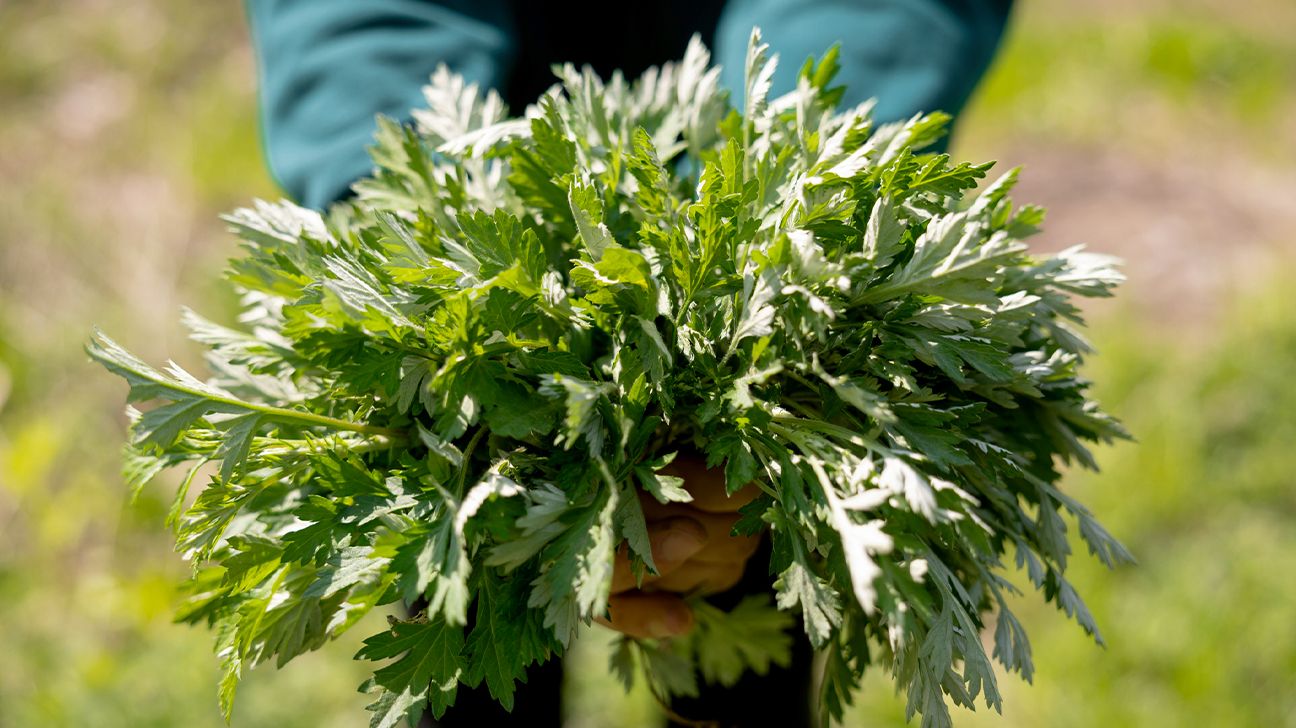
Many people walk past this silver-green plant without realizing it has been part of traditional wellness for centuries. Mugwort has been used quietly for digestion, circulation, sleep, and menstrual comfort long before modern supplements existed.
If you have ever felt heavy after meals, restless at night, or out of balance during stressful weeks, this simple mugwort tea is often mentioned as a gentle support.
Most people never realize mugwort matters because it looks like an ordinary garden weed. But its history tells a different story.
What Mugwort Is Traditionally Used For
Mugwort is an East-Asian and European herbal remedy known for its warming, calming, and regulating properties.
Traditionally, it has been used to support:
- Sluggish digestion and bloating
- Restless sleep and vivid dreaming
- Cold hands and feet linked to poor circulation
- Menstrual discomfort and cycle irregularity
- General fatigue linked to stress overload
This is not a quick fix. It is a slow, steady support herb.
What This Herb Does Inside the Body
In traditional systems, mugwort is considered a warming and moving herb. That means it is used when the body feels stuck, tense, or cold rather than inflamed or overheated.
From a simple wellness perspective, mugwort contains:
- Bitter compounds that stimulate digestion
- Aromatic oils that relax tension and calm the nervous system
- Plant antioxidants that support the body during stress
This combination explains why many people feel lighter, calmer, and more settled after using it consistently.
Simple Mugwort Tea Preparation Method
This is the most common and gentle way to use mugwort at home.
Ingredients
- 1 teaspoon dried mugwort leaves
- 1½ to 2 cups water
If using fresh mugwort, use a small handful of leaves.
How to Prepare
- Bring water to a gentle boil.
- Add mugwort leaves.
- Lower heat and simmer for 5 to 7 minutes.
- Turn off heat and steep for another 5 minutes.
- Strain and sip warm.
The tea has a slightly bitter, herbal taste. This bitterness is part of how it works.
How to Use + Best Time to Drink It
- Drink ½ to 1 cup once daily.
- Best taken in the evening or after meals.
- Many people prefer it before bed for relaxation and sleep support.
Start small. Mugwort is not meant to be taken in large amounts.
Use it for 3 to 5 days, then take a break.
Why Mugwort Tea May Work (Tradition + Simple Science)
Supports digestion gently
The bitter taste stimulates digestive juices, which can reduce bloating and heaviness after meals.
Calms the nervous system
The aromatic oils may help relax tension, making it easier to wind down mentally and physically.
Encourages circulation
Traditional use links mugwort to warmth and movement, which is why it is often used when the body feels cold, tight, or stagnant.
This is also why mugwort is commonly paired with foot soaks and moxibustion in traditional practices.

Who Benefits Most From Mugwort Tea
This tea may be helpful for people who:
- Feel heavy or bloated after eating
- Struggle with restless sleep or nighttime tension
- Experience menstrual discomfort or irregular cycles
- Feel run-down during stressful periods
It is not meant for people looking for stimulation or detox extremes.
When You’ll Notice Changes
Set realistic expectations so you do not overuse it.
- Within 1 to 2 days: Some people notice calmer digestion or deeper sleep.
- Within 1 to 2 weeks: Subtle improvements in comfort and body rhythm may appear.
- Long-term: Benefits are usually gentle and cumulative, not dramatic.
If you feel overstimulated, dizzy, or uncomfortable, stop using it.
Quick Notes, Safety, and Who Should Avoid It
Mugwort is powerful despite its gentle reputation.
Avoid or consult a professional if:
- You are pregnant or trying to conceive, as mugwort can stimulate the uterus.
- You have allergies to plants in the daisy family.
- You are taking medications that affect the nervous system.
- You have liver conditions or are sensitive to bitter herbs.
Do not use large doses or drink it continuously for long periods.
Always source mugwort from clean areas or trusted herbal suppliers.
A Simple Takeaway
Mugwort tea is not trendy, flashy, or fast. That is exactly why it has lasted so long. It works quietly by supporting digestion, relaxation, and balance rather than forcing results.
Save this guide if you want to try it later, and share it with someone who enjoys gentle, traditional remedies.