If you have ever snapped a small roadside herb and seen white, milky sap, you may have met Euphorbia hirta (often called asthma weed in folk traditions). It is the exact herb with its tiny clustered flowers and soft green leaves, and it is commonly pounded fresh just like the mortar-and-pestle photos show.
People have used Euphorbia hirta for generations for cough discomfort, mucus, and digestive upset. Most people never realize it is used this way because it looks like a simple weed, and the benefits are usually subtle and gradual.
Below is a practical, safety-first guide you can turn into a blog post or caption anytime.
What Euphorbia Hirta Is Traditionally Used For
Euphorbia hirta has a long history in traditional practices for:
- Cough and throat irritation (especially when mucus feels “stuck”)
- Mild breathing discomfort (traditional support, not a replacement for asthma care)
- Loose stools and digestive upset
- Bloating and “heavy stomach” after meals
- External use for minor skin issues (short contact only)

Simple Preparation Method
Your image shows fresh Euphorbia hirta being harvested and pounded into a green mash. Here are two common traditional preparations.
Option 1: Fresh leaf juice (pounded)
You need:
- 1 small handful of fresh Euphorbia hirta (leaves + tender stems)
- Clean water
- Mortar and pestle
- Clean cloth/strainer
- Warm water to dilute
Steps:
- Rinse the herb very well. Soak 3 to 5 minutes, then rinse again.
- Pound the herb in a mortar until it becomes a wet paste.
- Squeeze the paste through a clean cloth to collect the green liquid.
- Dilute the liquid in warm water. Start mild.
How to use:
Sip slowly once a day for short periods (such as 1–3 days), then pause and observe how you feel.
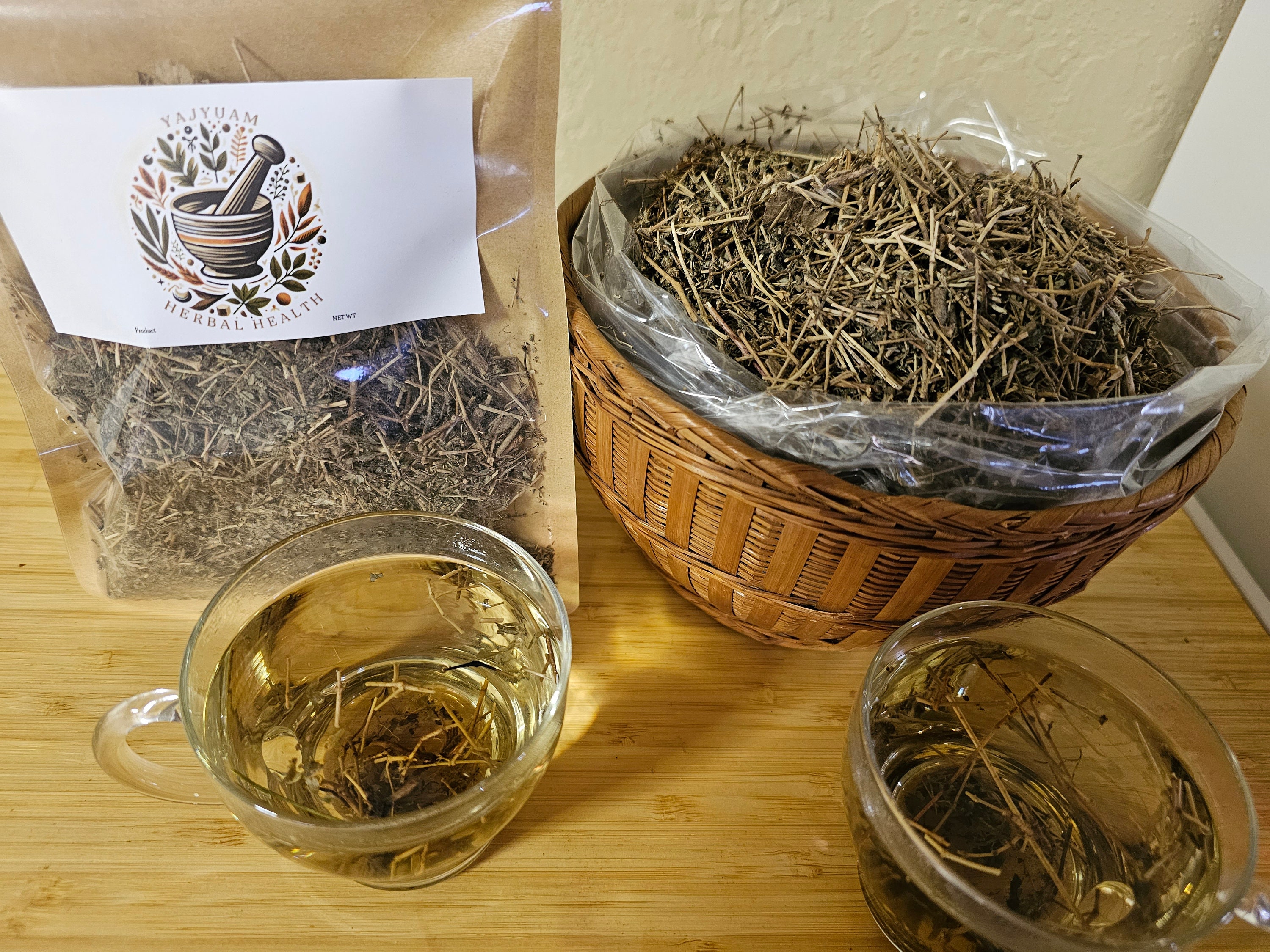
Option 2: Mild herbal tea (safer, gentler)
You need:
- A small handful of fresh herb, or 1 to 2 teaspoons dried
- 2 cups water
Steps:
- Bring water to a gentle boil.
- Add the herb and simmer 5 to 8 minutes.
- Turn off heat, cover, and steep 5 minutes.
- Strain and drink warm.
How to use:
1 small cup once daily, preferably after food if you have a sensitive stomach.
Best Time to Take It
- For cough or throat irritation: Warm tea in the evening can feel most soothing.
- For bloating or heavy stomach: After meals is usually the gentlest timing.
- Avoid late-day use if it seems to disturb your sleep.
Why Euphorbia Hirta May Help (Simple Science Insight)
Euphorbia hirta has been studied for plant compounds such as flavonoids, phenols, and tannins, which are often linked with:
- Soothing irritated tissues
- Supporting the body’s response to inflammation
- Helping the gut feel more settled
- Traditional respiratory support through comfort effects (not a rescue treatment)
The milky latex is part of the plant’s natural defense system, which is why dose and sensitivity matter.
Who Benefits Most
This herb is often chosen by people who:
- Deal with occasional cough and mucus discomfort
- Get mild diarrhea or digestive upset from food changes
- Feel bloating and want a gentle traditional approach
If you have chronic cough, wheezing, asthma attacks, fever, chest pain, blood in stool, or dehydration, you need medical evaluation.
When You’ll Notice Relief (Realistic Timeline)
- Within 30–60 minutes: Warm tea may soothe the throat and feel calming.
- Within 1–3 days: Some people notice less bloating or fewer digestive flare-ups.
- No improvement after 3 days: Stop and reassess. Persistent symptoms need proper care.
Safety Notes (Very Important)
Euphorbia hirta contains latex (milky sap) that can irritate some people.
- Do not use if you are pregnant or breastfeeding, unless guided by a qualified professional.
- Avoid for young children.
- Avoid if you have a latex allergy or react to milky-sap plants.
- Do not take high doses. Too much may cause nausea, vomiting, or stomach irritation.
- Keep sap away from eyes, lips, and broken skin. Wash hands after handling.
- If you have asthma, this herb is not a replacement for inhalers or prescribed treatment.
Final Takeaway
Euphorbia hirta is a classic “hidden in plain sight” herb. Prepared cleanly and used gently, it is traditionally used for cough comfort and digestion support, especially as a mild tea or diluted fresh preparation.
Save this guide if you want to try it later, and share this with someone who loves simple herbal wisdom with smart safety.