Low motivation, mental fatigue, and that “blah” feeling are often blamed on stress or poor sleep. But many people never realize that dopamine, a key brain chemical linked to motivation, pleasure, and focus, is deeply influenced by what you eat.
Dopamine is not something you get directly from food. Your body builds it using nutrients, especially amino acids, vitamins, antioxidants, and steady energy from complex carbohydrates.
The good news is that everyday foods can gently support this process. Below are all the foods explained clearly so you know how each one helps and how to use it in daily life.
1. Apples (quercetin)
Apples contain quercetin, a plant compound studied for its antioxidant role in brain health.
Why it matters for dopamine:
Antioxidants help protect dopamine-producing neurons from everyday oxidative stress.
How to eat them:
Eat whole apples with the skin, slice into oatmeal, or pair with yogurt for a steady snack.

2. Turkey (tyrosine)
Turkey is rich in tyrosine, an amino acid your body uses as a building block for dopamine.
Why it matters for dopamine:
Without enough tyrosine, your body struggles to produce dopamine efficiently.
How to eat it:
Use turkey in simple meals like wraps, salads, or warm bowls with vegetables.
3. Oatmeal (complex carbs)
Oatmeal provides complex carbohydrates that release energy slowly.
Why it matters for dopamine:
Stable blood sugar supports consistent dopamine signaling and focus.
How to eat it:
Choose plain oats and add fruit, yogurt, or nuts instead of sugary toppings.
4. Raspberries (antioxidants)
Raspberries are rich in antioxidants, especially polyphenols.
Why it matters for dopamine:
They help reduce oxidative stress that can interfere with brain signaling.
How to eat them:
Add to oatmeal, yogurt, or eat fresh as a snack.

5. Pomegranate (polyphenols)
Pomegranate contains polyphenols that support brain and blood flow health.
Why it matters for dopamine:
Healthy circulation helps deliver oxygen and nutrients to dopamine-producing areas.
How to eat it:
Eat fresh seeds or drink small amounts of unsweetened juice.
6. Quinoa (protein)
Quinoa is a complete plant-based protein, providing amino acids needed for neurotransmitters.
Why it matters for dopamine:
Protein supplies the raw materials your brain needs to make dopamine.
How to eat it:
Use quinoa as a base for bowls, salads, or warm side dishes.
7. Beets (betaine)
Beets provide betaine, a compound linked to brain and circulation support.
Why it matters for dopamine:
Better blood flow supports oxygen delivery to brain tissue involved in motivation and focus.
How to eat them:
Roast, steam, or grate raw into salads.

8. Oranges (vitamin C)
Oranges are rich in vitamin C, an essential nutrient for brain health.
Why it matters for dopamine:
Vitamin C supports dopamine synthesis and helps protect brain cells.
How to eat them:
Eat whole oranges or add slices to salads. Use juice in moderation.
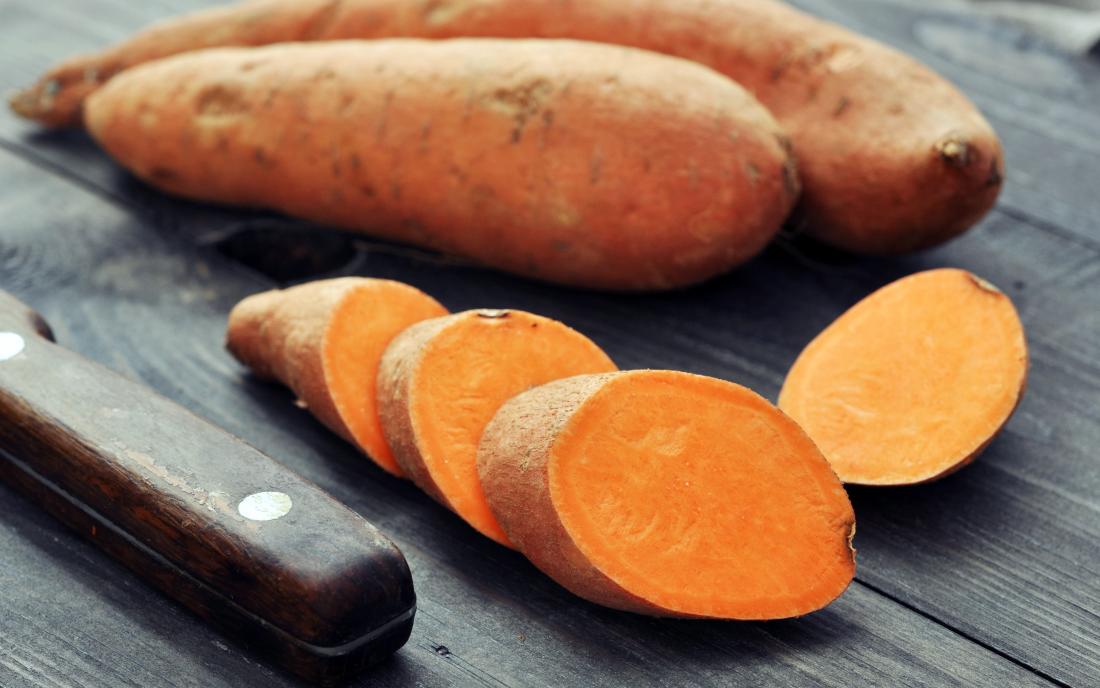
9. Sweet potatoes (vitamin B6)
Sweet potatoes are a good source of vitamin B6.
Why it matters for dopamine:
Vitamin B6 helps convert amino acids into dopamine.
How to eat them:
Bake, roast, or mash sweet potatoes as part of balanced meals.
How to Build a Dopamine-Supportive Daily Plate
You do not need every food every day. What matters is combining protein, carbs, and antioxidants.
- Breakfast: Oatmeal with apples and raspberries
- Lunch: Quinoa bowl with turkey, spinach, and roasted sweet potatoes
- Snack: Yogurt with pomegranate seeds or an orange
- Dinner: Balanced meal with protein and vegetables, including beets if you enjoy them
When You’ll Notice Changes
Food-based dopamine support is gentle, not instant.
- Same day: More stable energy and fewer mental crashes
- 3–7 days: Improved focus and motivation for many people
- 2–4 weeks: More consistent mood support when paired with sleep and stress care
Tips to Support Dopamine Naturally
- Eat protein regularly, not just once a day
- Avoid extreme sugar spikes, which disrupt dopamine balance
- Support sleep, because dopamine production depends on rest
- Manage stress, since chronic stress depletes dopamine over time
Important Safety Notes
If you have neurological conditions, depression, ADHD, or take medications that affect dopamine, food can support health but does not replace medical treatment. Always work with a qualified professional for persistent mood or focus issues.
Final Takeaway
Dopamine thrives on consistency. When you regularly eat foods that provide tyrosine, vitamin B6, vitamin C, antioxidants, and steady energy, your brain gets the tools it needs to support motivation and focus naturally.
Save this guide if you want to support your brain daily, and share it with someone who feels mentally drained and needs a gentle reset.