Feeling puffy, bloated, or swollen even when you are eating “clean”?
Water retention is one of the most common body complaints, and it is often misunderstood.
Many people think it is caused by drinking too much water. In reality, water retention usually happens when your body is struggling to release excess fluid due to inflammation, sodium imbalance, hormones, or sluggish circulation.
The good news is that certain foods gently signal your body to let go of extra fluid without harsh diuretics.
1. Parsley
Parsley is a natural diuretic that helps the kidneys release excess fluid.
It supports electrolyte balance while reducing puffiness, especially around the face and ankles.
How to use it:
Add fresh parsley to salads, soups, smoothies, or steep it as a mild tea after meals.
2. Pineapple
Pineapple contains bromelain, an enzyme that reduces swelling and inflammation.
This makes it especially helpful for water retention linked to digestion, injury, or hormonal changes.
How to use it:
Eat fresh pineapple between meals or add small amounts to smoothies. Avoid canned versions with added sugar.

3. Dandelion Leaf
Dandelion leaf has a strong natural diuretic effect without stripping potassium.
It supports kidney function and helps release trapped water gently.
How to use it:
Use dandelion leaves in salads, sauté lightly, or drink as a tea once daily.
4. Lemon
Lemon supports detox pathways in the liver and kidneys, helping the body release excess fluids more efficiently.
It also improves digestion, which indirectly reduces bloating.
How to use it:
Start your day with warm water and fresh lemon juice or squeeze lemon over meals.
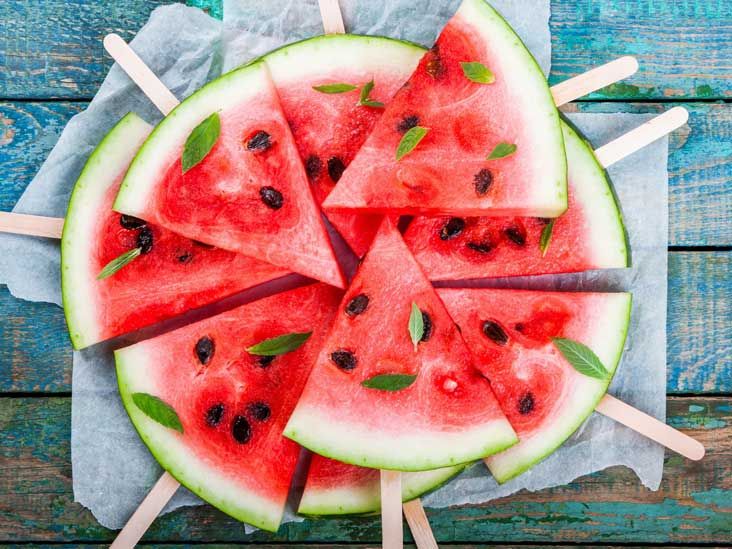
5. Watermelon
Watermelon is high in water and potassium, helping flush excess sodium from the body.
It hydrates while encouraging fluid movement rather than fluid storage.
How to use it:
Eat fresh watermelon as a snack, especially during warm weather or after salty meals.
6. Cucumber
Cucumber acts as a natural diuretic while calming inflammation.
Its high water content supports hydration without contributing to bloating.
How to use it:
Eat raw in salads, blend into juices, or slice into water for gentle daily support.
7. Ginger
Ginger reduces inflammation and improves circulation, both key factors in fluid retention.
It also supports digestion, which helps prevent abdominal bloating.
How to use it:
Add fresh ginger to tea, soups, or stir-fries. A small amount daily is enough.
8. Celery
Celery helps flush excess fluids while supplying natural sodium and potassium in balance.
It supports kidney function and reduces water weight gently.
How to use it:
Eat raw as a snack, add to soups, stir-fry or blend into green juices.

9. Beetroot
Beetroot improves circulation and supports liver function, helping fluid move out of tissues more efficiently.
It is especially helpful for lower-body swelling.
How to use it:
Roast, steam, or juice beetroot. Pair it with healthy fats for better absorption.
When You’ll Notice Changes
Most people notice:
• Reduced puffiness within 2–5 days
• Less bloating after 1 week
• More visible definition in hands, face, or ankles after 1–2 weeks
Gentle changes last longer than aggressive water loss.
Tips to Combine Them Effectively
Drink enough water throughout the day.
Reduce ultra-salty and processed foods.
Chew well to support digestion.
Support sleep and stress levels, as hormones affect fluid balance.
Final Takeaway
Water retention is not about forcing water out. It is about helping your body feel safe enough to release it.
These foods work gently with your kidneys, liver, and circulation to restore balance naturally.