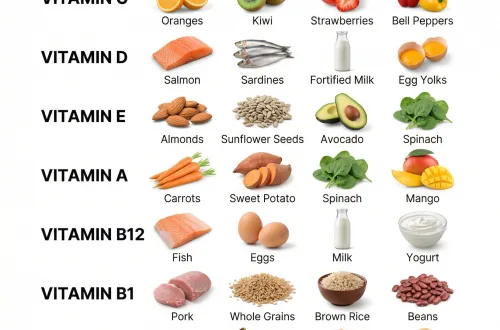
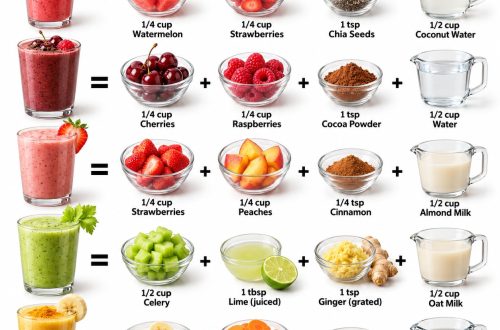
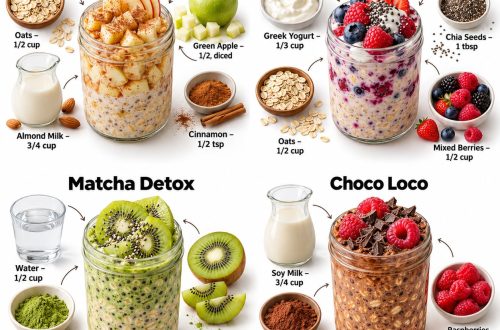
Your mood is not just about mindset. It is deeply connected to what you eat every day.
Many people try to “power through” sadness, stress, or exhaustion without realizing their body may simply be missing the right nutrients. The good news is that certain foods have been scientifically linked to better mood balance, calmer nerves, and steadier energy.
Most people never realize this works because mood support starts in the gut and brain, not in willpower alone.
1. Dark Chocolate (For Sadness)
Dark chocolate contains flavonoids that support brain blood flow and stimulate serotonin release.
These compounds help improve mood and reduce feelings of low motivation.
How to use it:
- Choose dark chocolate with at least 70% cocoa.
- Enjoy one to two small squares after meals.
- Avoid eating it late at night due to caffeine-like compounds.
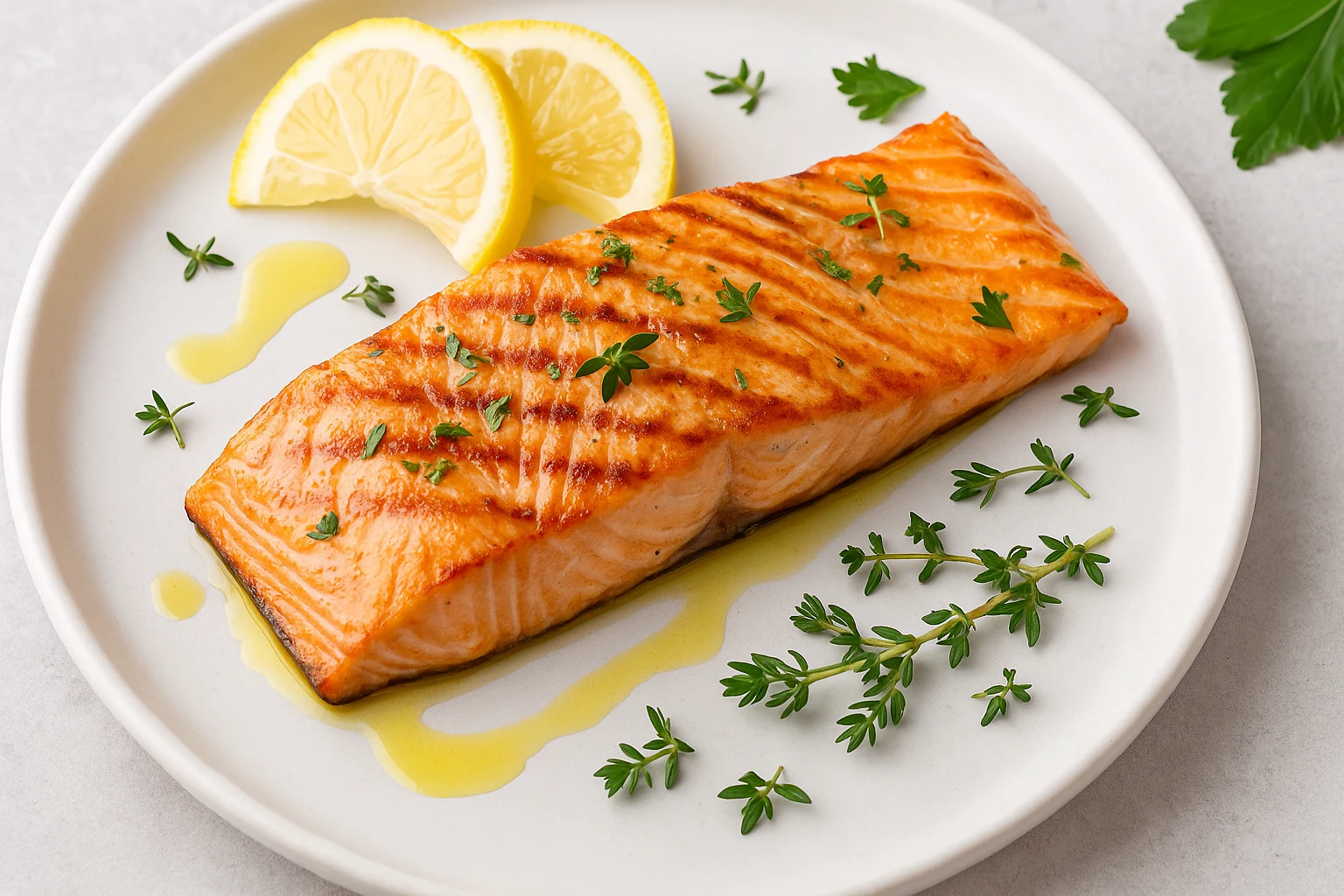
2. Salmon (For Low Mood and Brain Fog)
Salmon is rich in omega-3 fatty acids, which support brain cell communication.
Low omega-3 levels are strongly linked to depression and mood swings.
How to add it:
- Eat salmon two to three times per week.
- Grill, bake, or pan-sear with olive oil.
- Pair with vegetables for better nutrient absorption.
3. Blueberries (Support Dopamine Signaling)
Blueberries are rich in antioxidants that protect brain cells from stress-related damage.
They help support dopamine signaling, which plays a role in motivation and pleasure.
How to use them:
-
Add to oatmeal or yogurt.
-
Eat a small bowl as a snack.
-
Blend into smoothies.
4. Eggs (For Low Mood)
Eggs provide vitamin D, B12, and choline, all linked to emotional stability.
Low levels of these nutrients are commonly seen in people with low mood.
How to eat them:
-
Have eggs at breakfast.
-
Boil, scramble, or poach.
-
Pair with vegetables for balance.
5. Chamomile Tea (For Anger and Irritability)
Chamomile contains apigenin, a compound that binds to calming receptors in the brain.
This helps reduce tension, restlessness, and emotional reactivity.
How to use it:
- Steep one tea bag in hot water for 5–7 minutes.
- Drink slowly in the evening or during stressful moments.
- Avoid sweetening heavily to keep blood sugar stable.

6. Celery (For Built-Up Tension)
Celery provides hydration, fiber, and natural crunch that helps release physical stress.
Chewing crunchy foods can lower cortisol and redirect nervous energy.
How to eat it:
- Snack on raw celery sticks.
- Pair with hummus or nut butter.
- Add to soups or salads for daily intake.
7. Green Tea (More Calming)
Green tea contains L-theanine, an amino acid that promotes calm focus.
It helps reduce irritability without causing drowsiness.
How to use it:
-
Drink one cup in the afternoon.
-
Avoid late-night use if sensitive to caffeine.
-
Sip slowly during tense moments.
8. Pumpkin Seeds (Relax Muscles)
Pumpkin seeds are high in magnesium and zinc, which support emotional regulation.
They help relax muscles and reduce reactive stress responses.
How to eat them:
-
Snack on a small handful.
-
Sprinkle over salads or soups.
-
Choose unsalted or lightly roasted.
9. Avocado (For Exhaustion)
Avocados are rich in healthy fats, potassium, and B vitamins that support energy production.
They help stabilize blood sugar, which prevents emotional crashes.
How to add it:
- Eat half an avocado daily.
- Add to toast, salads, or smoothies.
- Pair with protein for lasting energy.
10. Oats (For Sustained Energy)
Oats provide complex carbohydrates that release glucose slowly into the bloodstream.
This steady fuel helps prevent mood dips caused by blood sugar swings.
How to use them:
- Choose rolled or steel-cut oats.
- Eat them at breakfast or mid-day.
- Add fruit or seeds for extra nutrients.
11. Sweet Potatoes (More Energy Support)
Sweet potatoes provide complex carbohydrates and potassium for steady energy.
They help prevent crashes caused by blood sugar drops.
How to add them:
-
Roast or steam.
-
Eat at lunch or dinner.
-
Pair with protein for endurance.
12. Greek Yogurt (Support Gut-driven Energy)
Greek yogurt supplies protein and probiotics that support gut-driven energy.
A healthy gut improves nutrient absorption and fatigue resistance.
How to eat it:
-
Use as breakfast or snack.
-
Add fruit or nuts.
-
Choose unsweetened versions.
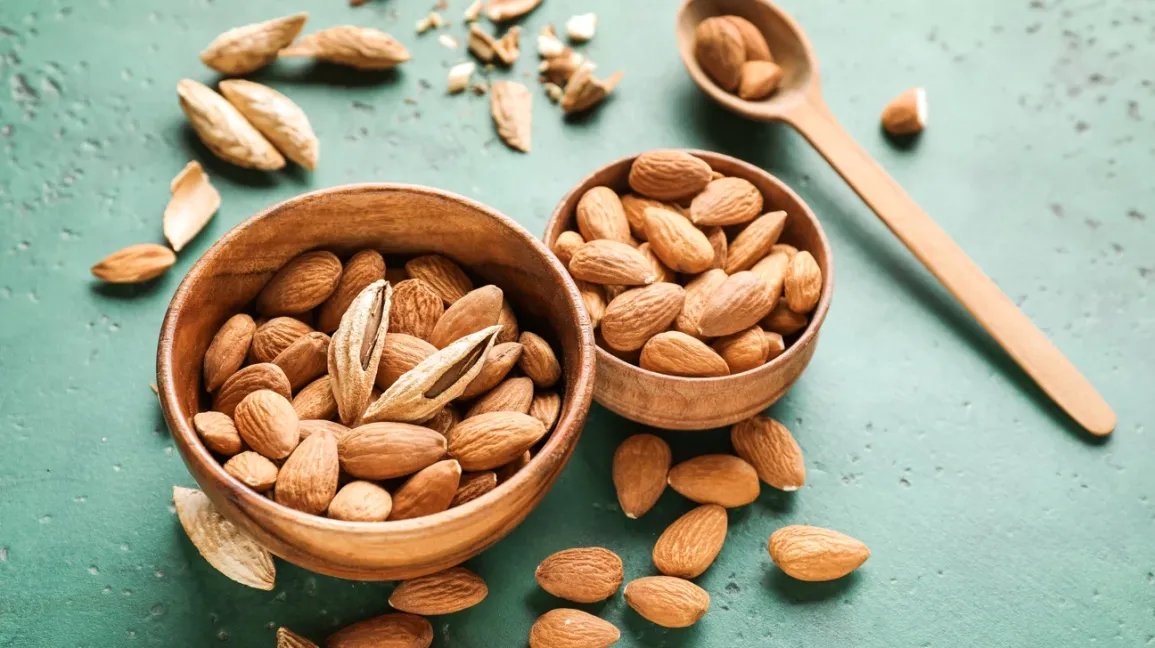
13. Almonds (For Stress Response Support)
Almonds are rich in magnesium, a mineral essential for calming the nervous system.
Magnesium helps reduce stress hormones and muscle tension.
How to eat them:
- Snack on a small handful daily.
- Add to yogurt or oatmeal.
- Avoid heavily salted versions.
14. Bananas (For Stress and Anxiety)
Bananas contain magnesium and vitamin B6, which help produce serotonin.
They also support gut health, which plays a key role in emotional balance.
How to use them:
- Eat one banana daily.
- Pair with nuts for blood sugar control.
- Use in smoothies or oats.
15. Spinach (Calm Nerve Signaling)
Spinach is rich in magnesium, folate, and iron, all essential for stress resilience.
It supports oxygen delivery to the brain and calm nerve signaling.
How to use it:
-
Add to salads or smoothies.
-
Lightly sauté for easier digestion.
-
Eat regularly, not just occasionally.
16. Oranges ( For Lower Cortisol Levels)
Oranges provide vitamin C, which helps lower cortisol levels.
Vitamin C also supports adrenal health during prolonged stress.
How to eat them:
-
Eat whole oranges instead of juice.
-
Use as a snack between meals.
-
Pair with nuts to stabilize blood sugar.
When You’ll Notice Changes
Most people notice:
- Calmer nerves within 30–60 minutes after calming foods.
- Improved energy within a few days.
- More stable mood within 1–2 weeks of regular intake.
Food works gently but builds lasting results.
Tips to Combine These Foods Effectively
- Pair carbohydrates with healthy fats.
- Avoid skipping meals, which worsens mood swings.
- Stay hydrated to support brain function.
Final Takeaway
Your emotions are closely tied to your nutrition. Small food choices, repeated daily, can gently reshape how you feel.
Save this guide if you want to try it later.
Share this with someone who needs emotional support today.