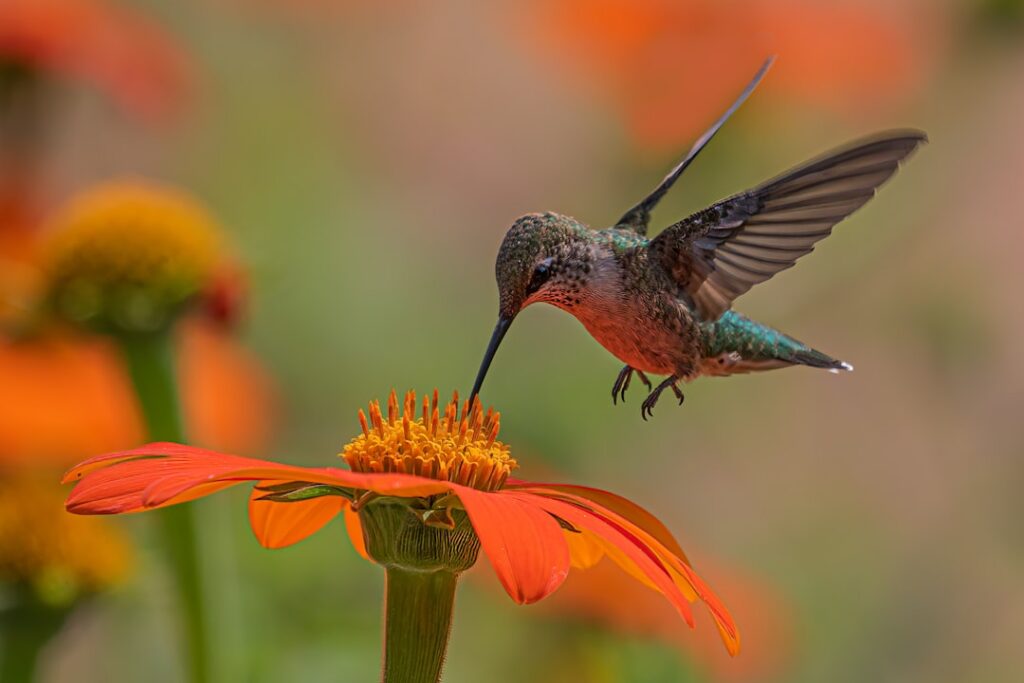
Imagine sipping your morning coffee, watching tiny, jewel-toned marvels dart and hover among your garden blooms. The sheer delight of a hummingbird visiting your yard is truly one of gardening’s greatest rewards! These dazzling acrobats are not just beautiful to behold; they’re also vital pollinators. If you’ve ever wondered how to invite more of these feathered friends into your outdoor space, you’re in for a treat. There’s a simple, undeniable trick our tiny visitors simply can’t resist: bright red flowers!
Why Red is a Hummingbird’s Favorite Color
It’s no accident that many of the most popular hummingbird feeders are red. Hummingbirds, unlike bees, don’t see the color red as a warning sign. Instead, their eyes are specially adapted to spot vibrant red and orange hues from a distance. They associate these colors with nectar-rich flowers, making red a natural beacon for them to find their next meal. By filling your garden with a variety of red blooms, you’re essentially putting out a giant, irresistible welcome mat for these speedy sippers.
Our Top Picks for a Dazzling Hummingbird Haven
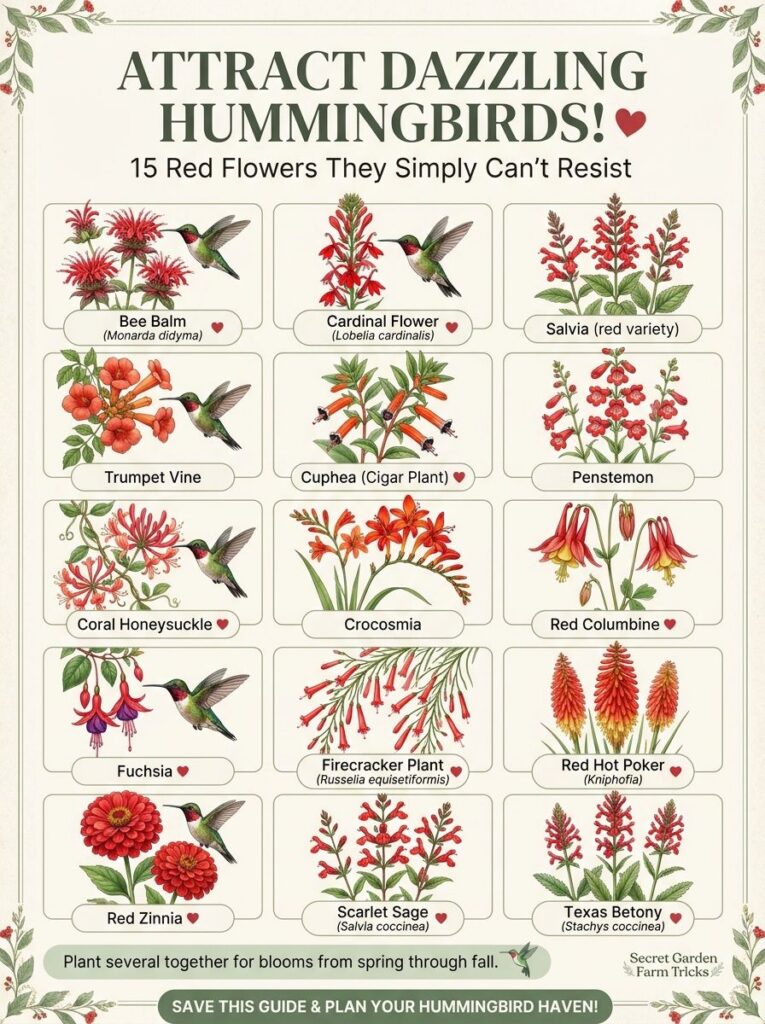
To help you get started, we’ve gathered some of the most beloved red flowers that hummingbirds can’t get enough of. Remember, choosing plants that thrive in your specific USDA Plant Hardiness Zone is key to a successful, flourishing garden.
1. Cardinal Flower (Lobelia cardinalis)
- Characteristic: A showstopper with intensely scarlet red blooms that rise on tall spikes. Native to the Americas.
- Care Tips:
- Light: Full sun to partial shade.
- Soil: Prefers consistently moist to wet soil, making it perfect for rain gardens or damp areas.
- Zone: Hardy in Zones 3-9.
- Actionable Advice: Plant near a water source or in naturally moist spots to mimic its native habitat. A layer of mulch will help retain soil moisture.
2. Bee Balm (Monarda didyma)
- Characteristic: Features unique, shaggy, tubular red flowers that are a magnet for hummingbirds, bees, and butterflies. It has aromatic foliage.
- Care Tips:
- Light: Full sun is best for abundant blooms, but it tolerates some partial shade.
- Soil: Well-draining soil, but can tolerate average conditions.
- Zone: Hardy in Zones 3-9.
- Actionable Advice: Ensure good air circulation to prevent powdery mildew, especially in humid climates. Divide clumps every 2-3 years to maintain vigor and prevent overcrowding.
3. Red Salvia (Salvia splendens, Salvia ‘Lady in Red’, etc.)
- Characteristic: There are many red varieties of Salvia, from annual ‘Scarlet Sage’ to perennial types. They offer long-lasting, vibrant red flower spikes.
- Care Tips:
- Light: Full sun is essential for the best flowering.
- Soil: Adaptable, but prefers well-drained soil.
- Zone: Varies by species; many popular red salvias are hardy in Zones 7-10 as perennials, or grown as annuals everywhere else.
- Actionable Advice: Deadhead spent blooms regularly to encourage continuous flowering throughout the season. These are fantastic for containers and borders.
4. Trumpet Vine (Campsis radicans)
- Characteristic: A vigorous woody vine known for its striking, trumpet-shaped orange-red flowers. It’s a true hummingbird magnet!
- Care Tips:
- Light: Full sun for the most abundant blooms.
- Soil: Tolerant of many soil types, even poor ones.
- Zone: Hardy in Zones 4-9.
- Actionable Advice: Be aware: Trumpet vine can be very aggressive and spread rapidly. Plant it where it has plenty of room to roam, like on a sturdy fence or pergola, or in a large container to control its spread. Regular pruning is key to manage its size.
5. Canna Lilies (Red Varieties)
- Characteristic: Bold, tropical-looking plants with large leaves and impressive spikes of red flowers. They add dramatic flair to any garden.
- Care Tips:
- Light: Full sun for best performance.
- Soil: Rich, moist, well-drained soil. They love warmth.
- Zone: Perennial in Zones 7-10; grow as annuals or dig and store rhizomes in colder zones.
- Actionable Advice: Keep them well-watered, especially during dry spells. In cooler climates, plant them after all danger of frost has passed, or start them indoors in pots.
Crafting Your Hummingbird Sanctuary: Beyond the Blooms
While red flowers are the main attraction, a true hummingbird haven offers more than just pretty petals. Consider these practical additions:
Provide Continuous Blooms
Hummingbirds are active from early spring through fall. To keep them coming back, aim for a succession of blooms. Plant a variety of red flowers with different blooming times – some that flower in spring, others in summer, and some that continue into fall. This ensures there’s always a fresh supply of nectar available.
Offer Shelter and Perches
Hummingbirds need places to rest and survey their territory. Provide small trees, shrubs, or trellises for them to perch on. Dense foliage also offers protection from predators and the elements.
Ensure a Water Source
Like all wildlife, hummingbirds need water. A shallow bird bath with a dripper or a mister can be incredibly appealing to them. They love to fly through fine sprays of water to clean themselves.
Avoid Pesticides
Hummingbirds primarily feed on nectar, but they also eat small insects for protein. Using pesticides can harm their food source and directly impact their health. Embrace organic gardening practices to create a truly healthy and safe environment.
Consider Supplemental Feeders
While flowers should be the main draw, a clean hummingbird feeder filled with a simple sugar solution (1 part white sugar to 4 parts water) can supplement their diet, especially during migration or when natural nectar sources are scarce. Remember to keep feeders meticulously clean to prevent mold and bacterial growth.
Your Next Step: Get Planting!
Building a garden that attracts hummingbirds is a wonderfully rewarding experience. It’s about more than just aesthetics; it’s about creating a vibrant ecosystem where nature can thrive right in your backyard. By focusing on irresistible red flowers and providing a welcoming environment, you’ll soon be enjoying the enchanting presence of these tiny, energetic birds.
So, which red bloom will be the first you add to your garden? Whichever you choose, know that you’re taking a beautiful step towards a more vibrant, life-filled outdoor space.
Save this guide and start planning your very own hummingbird haven today! Happy gardening!