Dry eye disease occurs when your eyes don’t produce enough tears or when your tears evaporate too quickly. Without a stable tear film, the surface of your eye becomes dry, causing irritation and sometimes blurry vision. Millions of Americans deal with dry eyes each year, but understanding the causes, recognizing the symptoms and knowing your treatment options can help you find relief.
Common Causes of Dry Eye
Several factors may contribute to dry eye:
-
Age and hormonal changes: People over 50 and post‑menopausal women are at increased risk.
-
Environmental conditions: Exposure to smoke, wind or air conditioning dries out the eyes.
-
Screen time: Extended use of computers or smartphones reduces blinking, allowing tears to evaporate faster.
-
Medications: Certain antihistamines, blood pressure drugs and antidepressants can decrease tear production.
-
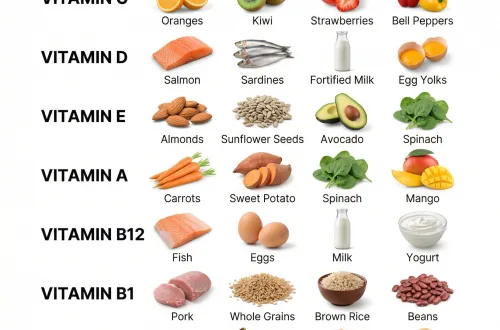
Medical conditions: Autoimmune diseases like lupus and Sjögren’s syndrome, or deficiencies in vitamin A or omega‑3 fatty acids, increase the risk of dry eye.
Understanding which factors apply to you can help guide treatment decisions.
Recognizing Symptoms
Common signs of dry eye include:
-
A gritty or scratchy sensation, as if something is in your eye
-
Burning or stinging feelings
-
Redness and sensitivity to light
-
Blurred or fluctuating vision
-
Excessive tearing, which can occur when irritated eyes produce reflex tears that don’t properly lubricate
If left untreated, severe dry eye can sometimes damage the cornea—the clear front layer of your eye.
Treatment Options
Artificial Tears
Over‑the‑counter artificial tear drops and gels are often the first step in treating dry eye. Brands like TheraTears® or Systane® provide moisture and can be used multiple times per day. Preservative‑free formulas are recommended if you use drops frequently.
Prescription Medications
When over‑the‑counter drops are insufficient, an eye doctor may prescribe medications such as cyclosporine (Restasis®) or lifitegrast (Xiidra®). These prescription eye drops help your eyes produce more of their own tears.
Punctal Plugs
In some cases, tears drain away too quickly. Small devices called punctal plugs can be inserted into the tear ducts to slow drainage and keep the eyes moist.
Natural Remedies and Lifestyle Tips
While medical treatments address tear production, lifestyle adjustments can support eye comfort:
-
Stay hydrated: Drinking 8–10 glasses of water a day helps maintain overall hydration.
-
Use a humidifier: Adding moisture to indoor air prevents tears from evaporating too quickly.
-
Eat omega‑3–rich foods: Fish such as salmon, as well as flaxseed and walnuts, provide omega‑3 fatty acids. Healthline notes that supplements containing vitamin A, vitamin B12, vitamin D and omega‑3s may help relieve mild dry eye symptoms. Consult your doctor before starting any supplement.
-
Follow the 20‑20‑20 rule: When using a computer or phone, look away every 20 minutes at an object 20 feet away for 20 seconds. This technique relaxes your eyes and reduces digital eye strain.
-
Avoid irritants and protect your eyes: Stay away from smoke and strong air currents, and wear wraparound sunglasses outdoors.
Conclusion
Dry eyes can be uncomfortable, but they are manageable. By identifying the factors contributing to your symptoms and combining over‑the‑counter or prescription treatments with practical lifestyle adjustments, you can relieve irritation and protect your vision. If your symptoms persist or worsen, consult an eye care professional to explore treatment options tailored to your needs.