Weight‑loss injections have become a popular topic for people trying to manage obesity. These treatments were originally developed to help people with type 2 diabetes, but researchers discovered they could aid weight loss by regulating appetite and slowing digestion. This guide explains how the medications work, who is eligible to use them, their potential benefits and side effects, and why healthy lifestyle changes remain essential.
How Do Weight‑Loss Injections Work?
The most widely discussed weight‑loss injections—Mounjaro® (tirzepatide), Wegovy® (semaglutide) and Saxenda®(liraglutide)—belong to a class of drugs known as glucagon‑like peptide‑1 (GLP‑1) agonists. GLP‑1 agonists mimic hormones released after you eat. They trigger the release of insulin, lower blood sugar and slow digestion, making you feel full longer. When people feel less hungry, they tend to eat less and lose weight.
Because they curb appetite and reduce calorie intake, GLP‑1 injections can lead to meaningful weight loss. For example, a study compared tirzepatide and semaglutide and found that people using tirzepatide lost about 20 percent of their body weight over 72 weeks, while those using semaglutide lost around 13.7 percent. However, the medications must be taken consistently for many months to achieve this effect.
Eligibility and Access
Weight‑loss injections require a prescription and are not intended for casual use. In the United Kingdom, they are only prescribed through specialist weight‑management clinics for people who meet specific criteria—typically a body mass index (BMI) of 35 or higher with at least one weight‑related health problem, or a BMI between 30 and 34.9 with multiple risk factors. Mounjaro (tirzepatide) is being rolled out to clinics and general‑practice surgeries in England but is offered first to those with a BMI of 40 or higher plus several obesity‑related conditions. These drugs are unavailable to pregnant or breastfeeding women, and people taking oral contraceptives are advised to use other birth control because some injections may reduce the pill’s effectiveness.
Similar guidelines exist in other countries: weight‑loss injections are only prescribed under medical supervision after diet and exercise interventions have been tried. Discuss your health history and goals with a doctor to see if you qualify.
Types of Weight‑Loss Injections
Mounjaro (tirzepatide)
Mounjaro is injected once per week. It targets both GLP‑1 and another hormone called glucose‑dependent insulinotropic polypeptide (GIP), which may explain why it produces greater weight loss than semaglutide. In trials, participants lost about 20 percent of their body weight over 72 weeks.
Wegovy (semaglutide)
Wegovy is another weekly injection that contains semaglutide, a drug also sold under the brand name Ozempic for diabetes. Semaglutide slows stomach emptying and reduces hunger. Research shows it not only helps people lose weight but also reduces the risk of heart attack or stroke in people with obesity and heart disease. The medicine was approved in 2023 for weight loss among people with a BMI of 35 or more (or 32.5 for some ethnicities) and at least one weight‑related condition.
Saxenda (liraglutide)
Saxenda contains liraglutide and is injected daily. It results in less weight loss than semaglutide or tirzepatide—one study found that participants lost about 6.4 percent of their body weight. Liraglutide is recommended for people with a BMI above certain thresholds and additional risk factors, such as pre‑diabetes or high cholesterol.
Side Effects and Risks
Not everyone experiences side effects, but digestive symptoms are common. Nausea, diarrhoea, constipation and stomach pain occur in roughly 1 in 10 people. Other possible side effects include tiredness, dizziness, hair loss, low blood sugar and a rapid heart rate. Rarely, people develop pancreatitis (inflammation of the pancreas); the risk is estimated at about 1 in 100. These drugs may also reduce contraceptive efficacy and are not recommended during pregnancy or breastfeeding. Speak to your doctor if you experience severe abdominal pain or other concerning symptoms.
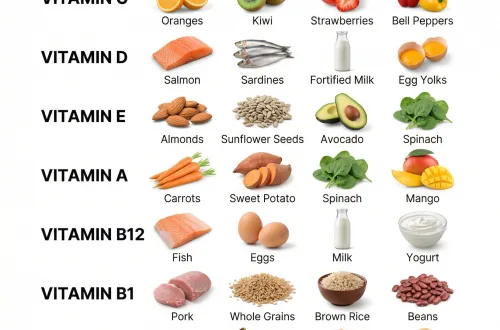
Rapid weight loss can lead to reduced muscle and bone mass, and eating less food may increase the risk of nutrient deficiencies. To protect your health, follow a balanced diet rich in protein, calcium and vitamin D while using injections.
Lifestyle Changes Still Matter
Weight‑loss injections are not a quick fix. Public health agencies emphasise that you should still make healthy lifestyle changes while taking them. The British Heart Foundation recommends:
-
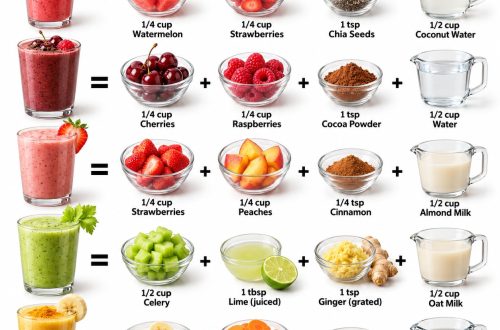
Eating a balanced diet with fruits, vegetables, whole grains, lean proteins and low‑fat dairy
-
Reducing intake of processed foods high in saturated fat, sugar and salt
-
Staying physically active, including regular resistance training, to maintain muscle mass
These habits will help you maintain weight loss after stopping the injections. Studies show that many people regain weight once they stop treatment. In one study, participants who lost about 17.3 percent of their body weight on semaglutide regained two‑thirds of the weight within a year after discontinuing the medication. Ongoing support from healthcare providers, dietitians or weight‑loss groups can improve long‑term success.
What About Lipotropic “Fat‑Burning” Shots?
Some clinics offer lipotropic injections containing vitamins such as B12, amino acids and nutrients purported to support fat loss. These injections aim to boost metabolism and complement diet and exercise programs. However, there is very little research on their effectiveness. In fact, any observed weight loss from these shots is usually due to the diet and exercise program you follow alongside them. Side effects are poorly studied; there have been reports of severe skin reactions and inflammation at injection sites. Costs vary widely and are not standardized. Because supplements are not regulated by the U.S. Food and Drug Administration, experts recommend talking with a healthcare professional before trying lipotropic injections.
Cost and Availability
The price of GLP‑1 weight‑loss injections varies by country and insurance coverage. In the United States, monthly costs can run into hundreds of dollars, and coverage depends on your insurance plan and medical criteria. In the United Kingdom, these medications are available through the NHS only in specialist clinics for eligible patients. Private prescriptions may cost more, and supply shortages have occurred as demand has grown. Always obtain weight‑loss injections from a licensed healthcare provider. Buying these medicines online without a prescription is unsafe and may be illegal.
Conclusion
Weight‑loss injections can offer a promising tool for people with obesity, particularly those with health conditions like type 2 diabetes or heart disease. Drugs such as tirzepatide, semaglutide and liraglutide work by mimicking natural hormones that regulate appetite and metabolism, leading to significant weight loss when used correctly. However, they are not a standalone solution. To achieve lasting results and avoid side effects, you must combine injections with a reduced‑calorie diet, regular exercise and long‑term lifestyle changes. Lipotropic “fat‑burning” shots have little evidence of benefit and carry unknown risks. Always consult a healthcare professional before starting any injection‑based weight‑loss program.