Blood sugar monitoring insurance coverage is more common than many people realize. In many healthcare systems, glucose-related services — including CGM sensors, blood tests, and medical nutrition therapy — may be partially or fully covered depending on diagnosis, insurance type, and country-specific rules.
This guide explains what blood sugar monitoring services are often covered by insurance, which items usually require referrals or prescriptions, and how coverage differs between public insurance, private plans, and employer-sponsored health benefits.
Understanding these rules can significantly reduce out-of-pocket costs for long-term blood sugar monitoring and metabolic health tracking.
Which Blood Sugar Monitoring Services Are Covered by Insurance Plans?
Blood sugar monitoring is often associated with diabetes care, but insurance coverage is not limited to insulin-dependent patients alone.
In many systems, glucose monitoring falls under broader healthcare categories such as:
-
Preventive care
-
Chronic condition management
-
Medical nutrition therapy
-
Metabolic risk assessment
Because of this, coverage may apply across multiple services — not just glucose devices.
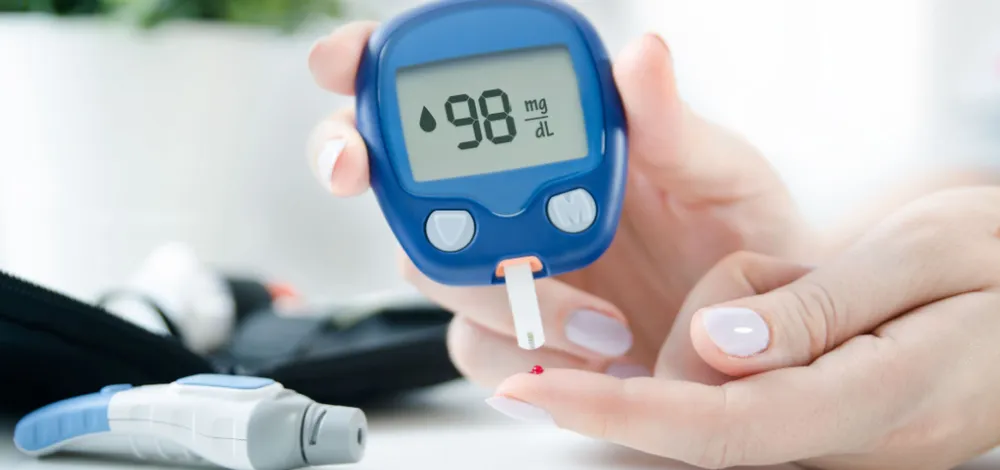
CGM Sensor Insurance Coverage: When Continuous Glucose Monitors Are Included
Continuous Glucose Monitors (CGMs) are among the most commonly discussed tools in blood sugar monitoring coverage.
Insurance plans may cover CGM sensors when they are used for:
-
Diagnosed diabetes
-
Prediabetes (in some insurance plans)
-
Documented blood sugar instability
-
Doctor-recommended glucose tracking
CGM insurance coverage often depends on:
-
Medical necessity documentation
-
Prescription or physician referral
-
Insurance plan type (public, private, employer-based)
Some plans fully cover CGM sensors, while others require co-payments, prior authorization, or partial reimbursement. Eligibility requirements vary widely by provider and country.
Blood Tests That Often Trigger Insurance Coverage
Blood tests are frequently one of the easiest glucose-related services to obtain insurance coverage for.
Commonly covered tests include:
-
HbA1c
-
Fasting blood glucose
-
Insulin panels
-
Metabolic and risk markers
These tests are used to establish diagnosis, assess risk, and guide follow-up care.
In many healthcare systems, documented blood test results are also what unlock eligibility for additional services such as CGM devices or nutrition therapy.
Medical Nutrition Therapy Coverage for Blood Sugar Management
Medical nutrition therapy is often overlooked, yet it is commonly eligible for insurance coverage.
Covered services may include:
-
One-on-one nutrition counseling
-
Registered dietitian consultations
-
Structured eating plans for blood sugar stability
Coverage is most likely when nutrition therapy is linked to a diagnosed condition, metabolic risk, or physician referral. In some employer health plans, nutrition support is included as part of preventive wellness benefits.

The Role of Doctor Referrals and Prescriptions in Coverage Eligibility
In many healthcare systems, insurance coverage depends heavily on documentation.
Doctor referrals and prescriptions often:
-
Establish medical necessity
-
Trigger reimbursement eligibility
-
Connect blood sugar monitoring to formal care pathways
Even when devices or services are not automatically covered, a referral can significantly lower out-of-pocket costs or enable partial reimbursement.
Public vs Private Insurance: How Blood Sugar Monitoring Coverage Differs
Public insurance programs may provide coverage for:
-
Blood glucose testing
-
CGM devices
-
Medical nutrition therapy
-
Follow-up monitoring
However, eligibility usually depends on diagnosis category, severity level, and national healthcare rules.
Private insurance plans often offer:
-
Partial CGM sensor coverage
-
Reimbursement for laboratory testing
-
Nutrition-related benefits
Employer-sponsored health plans may also include:
-
Preventive health allowances
-
Chronic condition management programs
-
Device subsidies or wellness incentives
These benefits are often buried in plan documentation and require proactive checking.
Employer Health Plans and Country-Specific Coverage Rules
Coverage rules for blood sugar monitoring vary significantly by country.
Each region applies different standards for:
-
Eligibility criteria
-
Approved CGM devices
-
Reimbursement thresholds
-
Prescription requirements
Public healthcare systems, private insurers, and employer plans all follow different frameworks. Understanding local regulations can make a major difference in access and total cost.
Why Blood Sugar Monitoring Coverage Varies So Widely
Blood sugar monitoring insurance coverage depends on several factors working together:
-
Diagnosis and medical necessity
-
Insurance plan structure
-
Referral and prescription requirements
-
Regional healthcare policies
Some individuals receive CGM or testing coverage with minimal paperwork, while others must rely on referrals, prior authorizations, or employer-based benefits.
Final Takeaway
Blood sugar monitoring is not always a personal expense.
Across many healthcare systems, blood tests, CGM devices, and nutrition therapy may be partially or fully covered depending on medical context and insurance structure. Knowing what is covered — and what documentation is required — can reduce financial pressure and support long-term consistency in blood sugar monitoring.
Coverage always varies by country, insurance plan, and diagnosis. Reviewing policy details and understanding eligibility rules is an important step toward informed, sustainable metabolic health tracking.