Herbal teas have been used for centuries as gentle daily support for digestion, sleep, metabolism, and stress balance. Unlike supplements or medications, herbal teas for different health needs work slowly and consistently, making them ideal for everyday routines rather than quick fixes.
What many people don’t realize is that choosing the right tea matters just as much as drinking tea itself. Each herb supports the body differently, depending on digestion, energy levels, sleep quality, or inflammation.
Below is a practical guide to 9 essential herbal teas and when they’re most helpful.
1. Ginger Tea – Digestive & Anti-Inflammatory Support
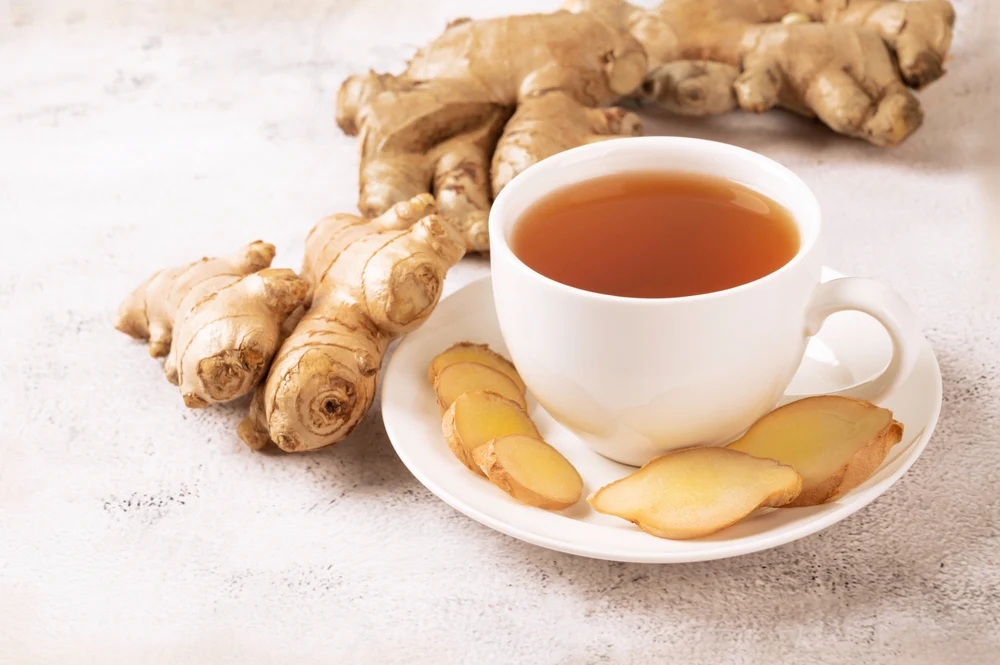 Ginger tea is commonly used for digestive discomfort, nausea, and bloating. Its warming nature helps stimulate digestion and circulation, which is why it’s often recommended after meals.
People searching for ginger tea benefits for digestion often use it when feeling heavy, bloated, or slightly nauseous.
Best time: After meals or in the morning
Good for: Digestion support, nausea relief, inflammation balance
2. Green Tea – Metabolism & Gentle Energy
Green tea is rich in antioxidants and provides mild caffeine, making it a popular choice for those looking for natural metabolism support without overstimulation.
It’s often included in discussions around green tea for weight management and daily antioxidant intake.
Best time: Morning or early afternoon
Good for: Metabolic support, antioxidant protection, gentle energy
3. Chamomile Tea – Sleep & Nervous System Calm
Chamomile tea is widely known for promoting relaxation and improving sleep quality. It’s commonly used in evening routines to calm the nervous system and ease digestion.
Many people looking for natural sleep remedies turn to chamomile as a first step.
Best time: Evening or before bed
Good for: Sleep quality, stress relief, digestive ease
4. Peppermint Tea – Bloating & Gut Comfort

Peppermint tea helps relax the digestive tract, making it useful for bloating, gas, and stomach discomfort. It’s often recommended for people sensitive to heavy or rich foods.
Searches for peppermint tea for bloating continue to rise because of its fast, gentle effect.
Best time: After meals
Good for: Bloating relief, gas reduction, gut relaxation
5. Turmeric Tea – Inflammation & Joint Comfort
Turmeric tea contains curcumin, a compound studied for its role in inflammation balance. While absorption varies, regular use is common in joint-support routines.
It’s frequently mentioned alongside anti-inflammatory herbal teas and joint wellness habits.
Best time: Morning or early evening
Good for: Inflammation support, joint comfort, immune balance
6. Hibiscus Tea – Heart & Blood Pressure Support
Hibiscus tea is rich in antioxidants and vitamin C. It’s often used by people focusing on heart health and blood pressure balance.
Interest in hibiscus tea for heart health continues to grow due to its refreshing taste and supportive properties.
Best time: Afternoon or evening
Good for: Heart support, circulation, antioxidant intake
7. Cinnamon Tea – Blood Sugar Balance
Cinnamon tea is commonly used to help manage blood sugar spikes and cravings, especially after meals. It’s often discussed in natural blood sugar support routines.
Best time: After meals
Good for: Blood sugar balance, craving control, insulin sensitivity
8. Fennel Tea – Digestive Ease & Gut Support

Fennel tea supports digestion by reducing bloating and intestinal discomfort. It’s frequently recommended for sensitive stomachs and post-meal comfort.
People searching for fennel tea for digestion often use it daily.
Best time: After meals
Good for: Digestive comfort, bloating reduction, gut support
9. Tulsi (Holy Basil) Tea – Stress & Cortisol Balance
Tulsi tea is considered an adaptogenic herb, traditionally used to help the body respond to stress. It’s often included in discussions around stress management teas and cortisol balance.
Best time: Morning or evening
Good for: Stress response, emotional balance, respiratory support
How to Choose the Right Herbal Tea for You
Instead of drinking random teas, match your choice to how your body feels:
-
Digestive discomfort → Ginger, Peppermint, Fennel
-
Stress or poor sleep → Chamomile, Tulsi
-
Low energy or metabolism focus → Green tea
-
Inflammation or joint stiffness → Turmeric
-
Heart and circulation support → Hibiscus
This approach helps turn tea into a daily wellness habit, not just a drink.
Final Thought
Herbal teas are not medicine — but they are powerful when used consistently and intentionally. Choosing the right tea for your body’s needs can support digestion, stress balance, sleep, and overall vitality without harsh effects.
Sometimes, wellness starts with something as simple as the right cup of tea.
Sources
-
Harvard T.H. Chan School of Public Health – Antioxidants & herbal beverages
-
Cleveland Clinic – Herbal teas and digestive health
-
National Center for Complementary and Integrative Health (NCCIH) – Herbal safety & use