When people think about cardiovascular health, they often jump straight to “cutting fat” or “cutting carbs.” But your heart and blood vessels work best when they’re consistently fed the right building blocks: fiber, omega-3s, antioxidants, minerals, and anti-inflammatory compounds.
Here’s the surprising part. Most “heart-healthy” results do not come from one magic food. They come from small daily choices that improve cholesterol handling, blood flow, and vessel function over time.
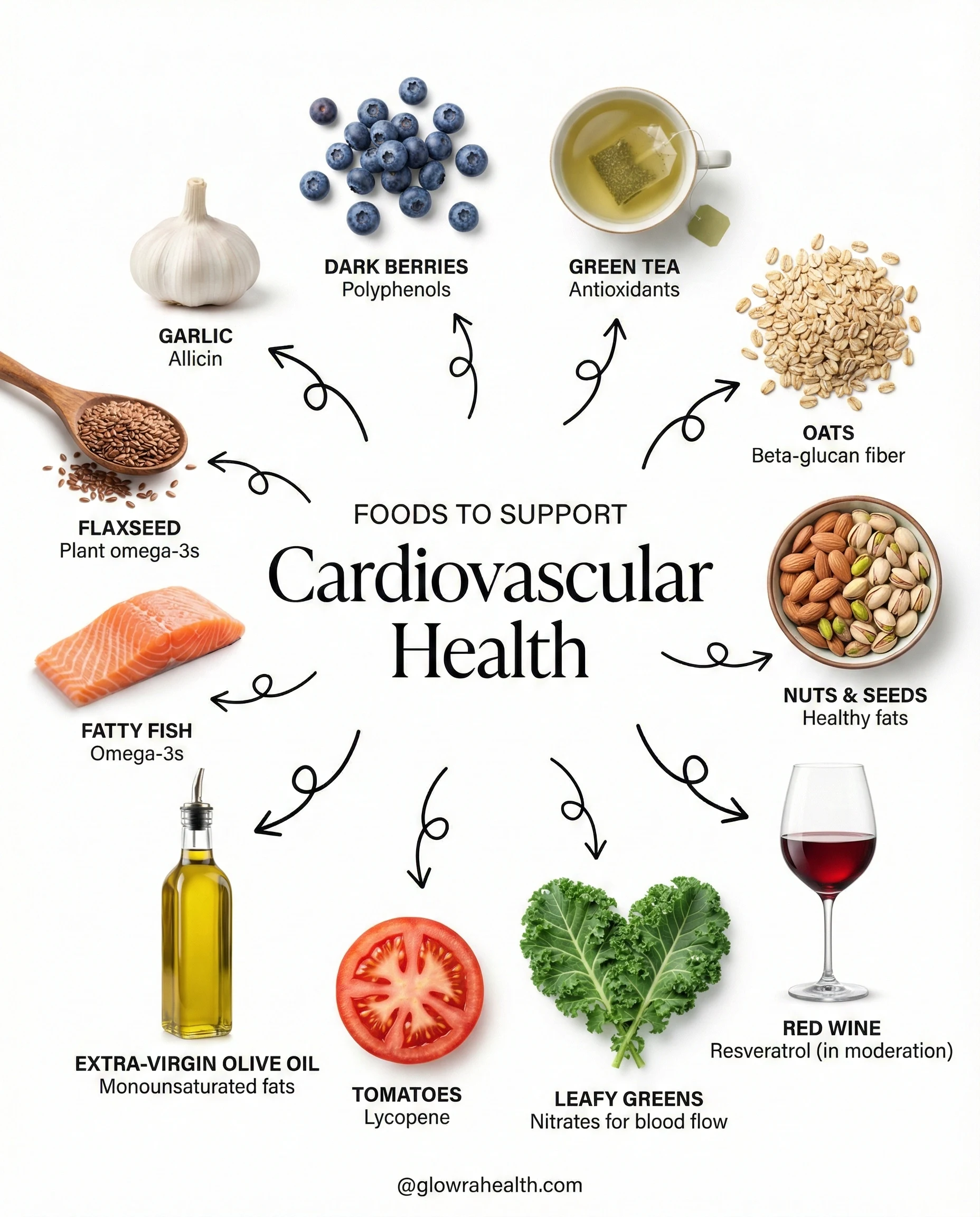
1) Garlic (allicin)
Garlic contains sulfur compounds that form allicin, which is often studied for its role in supporting healthy blood pressure and vascular function. Some meta-analyses suggest garlic preparations can modestly reduce blood pressure, especially in people with hypertension.
Easy ways to use it
- Add minced garlic to soups, stir-fries, or roasted vegetables.
- Mix into yogurt-based sauces or hummus for a daily savory boost.
2) Dark berries (polyphenols)
Dark berries are rich in polyphenols, including anthocyanins, which are linked to better vascular function and cardiometabolic markers in human research.
Easy ways to use them
- Add a handful to oatmeal.
- Blend into smoothies or stir into yogurt.
3) Green tea (antioxidants)
Green tea provides catechins and other antioxidants. Systematic reviews and meta-analyses suggest green tea intake or supplementation may support cardiovascular risk factors like lipids and blood pressure, though effects are generally modest.
Easy ways to use it
- Swap 1 coffee for green tea a few times per week.
- Drink it unsweetened or lightly sweetened.
4) Oats (beta-glucan fiber)
Oats contain beta-glucan, a soluble fiber recognized for cholesterol-lowering benefits. This is one of the most practical, evidence-supported daily staples for improving LDL levels.
Easy ways to use them
- Cook oats with milk or water and top with berries.
- Make overnight oats for grab-and-go mornings.
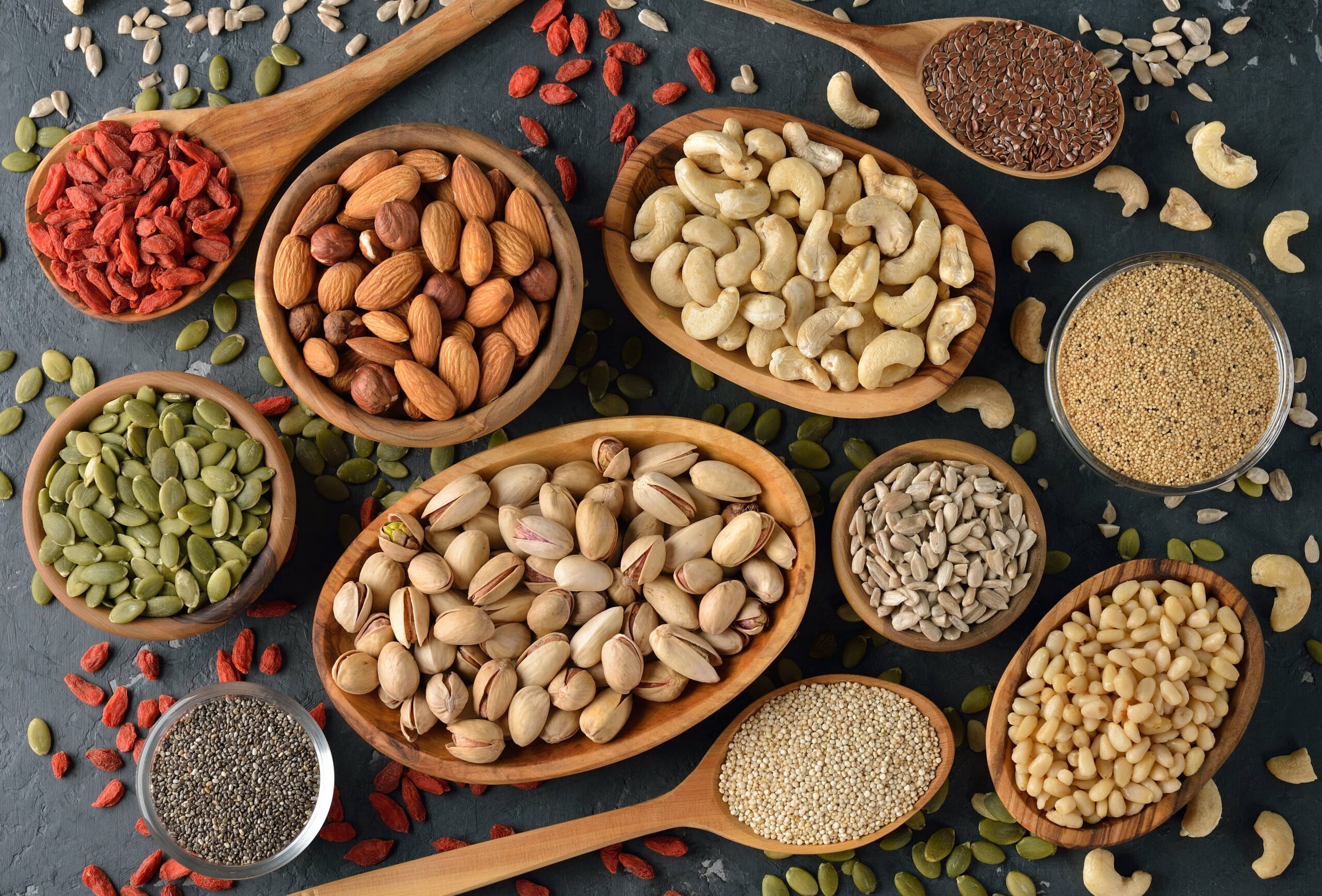
5) Nuts & seeds (healthy fats)
Nuts and seeds provide unsaturated fats, fiber, and minerals that support heart health. Heart organizations commonly recommend keeping portions reasonable and choosing unsalted options.
Easy ways to use them
- Add a small handful to breakfast or salads.
- Sprinkle seeds on oats or yogurt.
6) Red wine (resveratrol, in moderation)
You’ll see red wine often mentioned because of compounds like resveratrol. However, major heart organizations do not recommend starting alcohol for heart benefits, and alcohol can raise health risks in some people.
Practical safety note
- If you do not drink, do not start for your heart.
- If you drink, keep it moderate and discuss with your clinician if you have high blood pressure, liver issues, a history of addiction, or cancer risk concerns.
7) Leafy greens (nitrates for blood flow)
Leafy greens can be nitrate-rich, supporting nitric oxide pathways that influence blood flow and vessel function. Research includes clinical trials and observational work around dietary nitrate and blood pressure.
Easy ways to use them
- Add greens to soups, omelets, and grain bowls.
- Sauté with garlic and olive oil for a simple side.
8) Tomatoes (lycopene)
Tomatoes provide lycopene, a carotenoid studied for antioxidant effects and potential cardiovascular support. Some reviews synthesize evidence around tomato/lycopene intake and risk markers.
Easy ways to use them
- Use tomato sauce with olive oil.
- Add chopped tomatoes to salads, eggs, or sandwiches.
9) Extra-virgin olive oil (monounsaturated fats)
Extra-virgin olive oil is a cornerstone of heart-supportive eating patterns, partly due to monounsaturated fats and polyphenols.
Easy ways to use it
- Use as a salad dressing base.
- Drizzle over cooked vegetables or beans.
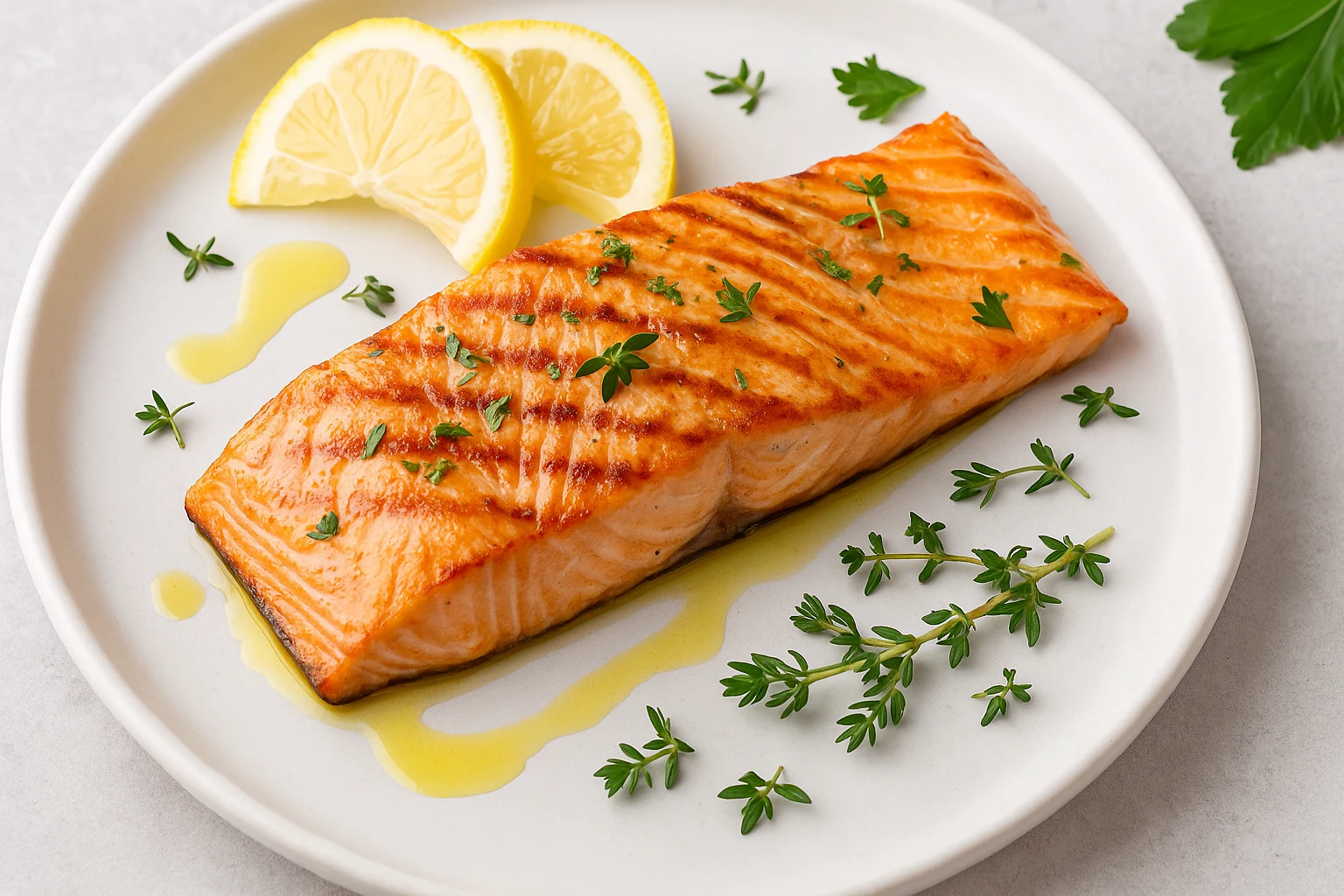
10) Fatty fish (omega-3s)
Fatty fish provides EPA and DHA omega-3s. Evidence varies depending on the outcome studied, but omega-3s remain one of the most researched dietary fats in cardiovascular nutrition.
Easy ways to use it
- Aim for fish meals weekly if you enjoy seafood.
- Try salmon, sardines, or other oily fish that fit your budget.
Bonus from the image: Flaxseed (plant omega-3s)
Flaxseed contains ALA (alpha-linolenic acid), a plant omega-3. Reviews and meta-analyses suggest flaxseed may modestly support blood pressure in some populations.
Easy ways to use it
- Use ground flaxseed in oats, smoothies, or yogurt.
- Stir into pancake batter or homemade energy bites.
How to Build a Daily Plate Using These Foods
If you want a simple rhythm, use this “3-point” method:
- Breakfast: oats + dark berries + ground flaxseed
- Lunch: leafy greens + tomatoes + olive oil dressing + nuts/seeds
- Dinner: fatty fish + cooked greens (with garlic) + a fiber-rich side (beans, lentils, or whole grains)
When You’ll Notice Changes
Realistic timeline helps you stay consistent:
- Same day to 1 week: steadier energy and fewer cravings when fiber and healthy fats go up.
- 2–6 weeks: cholesterol markers may start to shift with daily soluble fiber (like oats), depending on your baseline and overall diet pattern.
- 8–12+ weeks: blood pressure, inflammation markers, and longer-term cardiovascular risk trends respond best to consistent habits and overall lifestyle.
Simple Safety Notes
- If you take blood thinners or have surgery planned, talk to your clinician before using high-dose garlic supplements.
- If you are sensitive to caffeine, keep green tea earlier in the day.
- Alcohol is never a “required” heart strategy, and it is not recommended as a health intervention.
Final takeaway
If you want to support cardiovascular health without overcomplicating it, start with this: oats + olive oil + leafy greens + berries + omega-3s. Add garlic and flaxseed for extra support, keep portions realistic, and stay consistent long enough to see the results.
Related source science
- American Heart Association – oats and heart health (www.heart.org)
- NIH Office of Dietary Supplements – omega-3 fatty acids overview (ods.od.nih.gov)
- Harvard Health – extra-virgin olive oil and heart health (Harvard Health)
- Systematic review/meta-analysis – oat beta-glucan and LDL cholesterol (Cambridge University Press & Assessment)
- American Heart Association – alcohol and cardiovascular disease (American Heart Association)
- Systematic review/meta-analysis – green tea and cardiovascular risk factors (Frontiers)
- Systematic review/meta-analysis – garlic and blood pressure (Frontiers)
- Systematic review/meta-analysis – flaxseed and blood pressure (ScienceDirect)
- Systematic review/meta-analysis – tomatoes/lycopene and cardiovascular risk factors (ScienceDirect)
- Dietary nitrate research (leafy greens) and blood pressure/endothelial function (ScienceDirect)