Oats look simple, but the type you choose can change everything: texture, cook time, how full you feel, and how easy it is to keep oatmeal in your routine.
Most people never realize this works because they assume “oats are oats,” then buy the wrong kind for their lifestyle. When your oatmeal takes too long, tastes too mushy, or never keeps you full, you stop eating it. Consistency is where the benefits live.
What Makes Oats Different in the First Place?
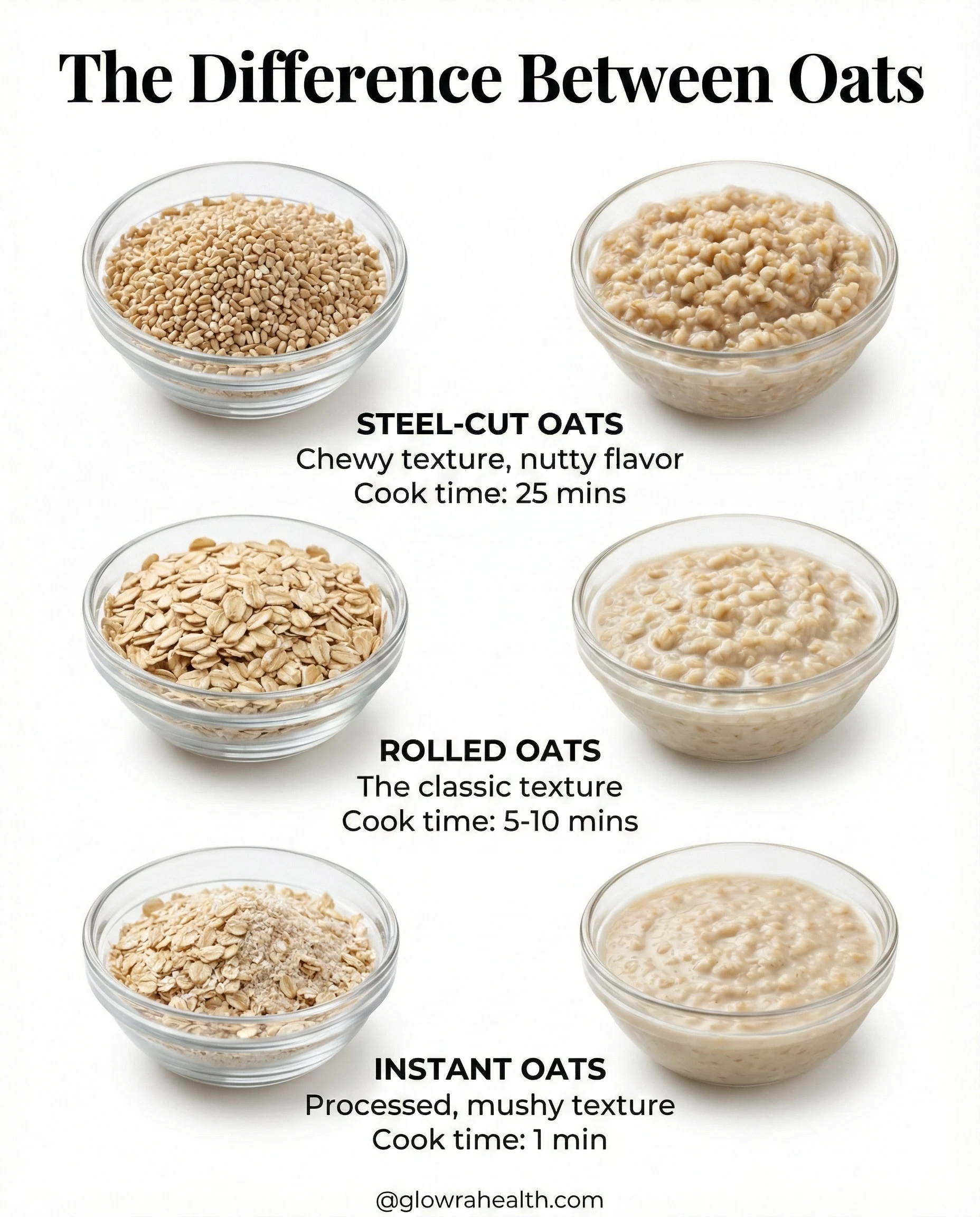
All three types start as the same grain: oat groats. The difference is how much they are cut, steamed, and flattened. More processing generally means faster cooking and softer texture.
The key nutrition point is this: they can all be healthy choices, especially when you choose low-added-sugar versions and build a balanced bowl.
1. Steel-Cut Oats (Chewy texture, nutty flavor, cook time: 25 minutes)
Steel-cut oats are groats that have been chopped into small pieces. They stay firm and chewy after cooking, which many people love because it feels like a real “meal,” not baby food.
Why people choose steel-cut oats
They are great when you want a slow, cozy breakfast that keeps you full for a long morning. The thicker texture also makes them less likely to turn mushy.
Best ways to use steel-cut oats
- Make a big batch and reheat portions throughout the week.
- Cook them slightly thicker if you like chew.
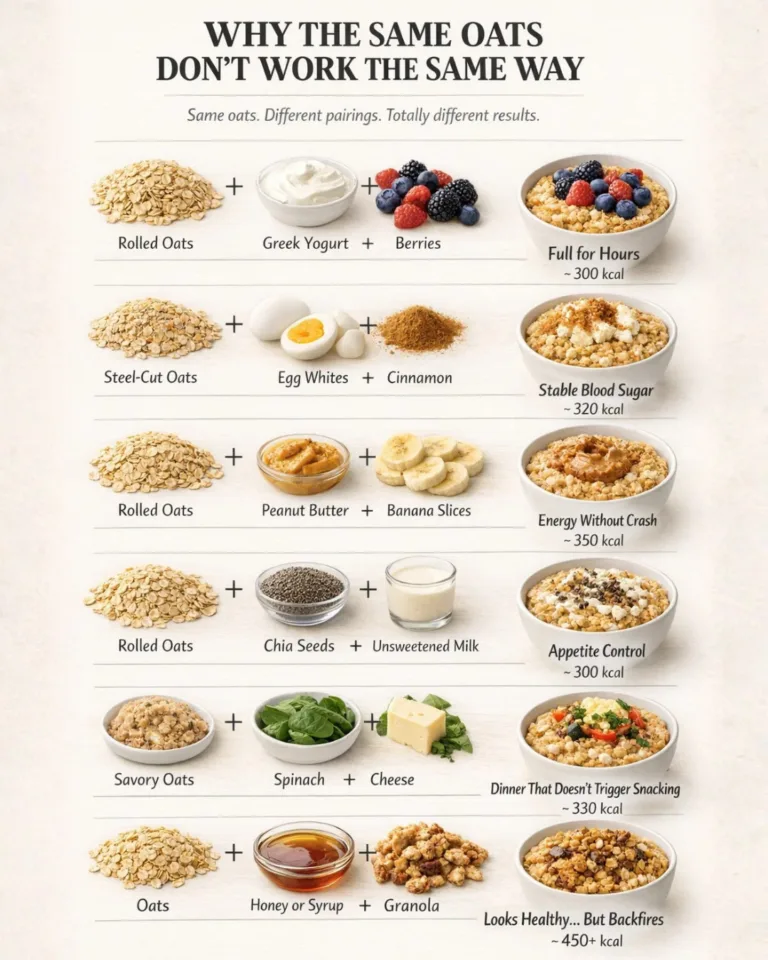
- Pair them with protein like yogurt, milk, or eggs to stay satisfied longer.
2. Rolled Oats (Classic texture, cook time: 5–10 minutes)
Rolled oats are steamed and pressed flat into flakes. They cook quickly, taste mild, and make the classic creamy oatmeal most people picture.
Why rolled oats are the “everyday winner”
Rolled oats are the easiest to use in different recipes. They work for warm oatmeal, overnight oats, blender batters, and baking. They are also a great option for people who want healthy routines without long cook times.
Best ways to use rolled oats
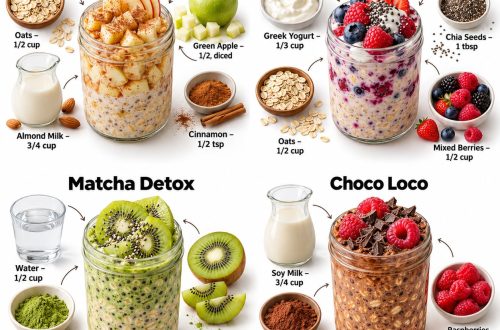
- Make overnight oats for a grab-and-go breakfast.
- Cook on the stove or microwave when you want comfort fast.
- Add nuts or nut butter for healthy fats, and add fruit for flavor.
3. Instant Oats (More processed, mushy texture, cook time: 1 minute)
Instant oats are the most processed. They are usually cut smaller, steamed more, and rolled thinner so they cook extremely fast.
When instant oats are actually a smart choice
Instant oats can be perfect for busy mornings, travel, or anyone rebuilding eating habits. A fast breakfast that you actually eat beats a “perfect” breakfast you never make.
The one thing to watch with instant oats
Many instant packets are flavored and can be high in added sugar. If you choose instant oats, look for plain options, or choose packets with low sugar and add your own toppings.
Which Oat Type Is Best for Blood Sugar and Cholesterol?
If your goal is heart health, the big win is soluble fiber, especially beta-glucan. Beta-glucan can bind with bile acids and help lower LDL cholesterol when consumed consistently.
Research summaries commonly highlight a dose around 3 grams of oat beta-glucan per day for cholesterol-lowering effects.
Practical takeaway: steel-cut, rolled, and instant oats can all contribute beta-glucan. The type matters less than your consistency and what you add to the bowl.
How to Build a More Filling Oatmeal Bowl
A bowl of plain oats can leave some people hungry fast. You do not need fancy ingredients, but you do need balance.
Here are simple add-ons that work with any oat type:
- Add a protein source. Greek yogurt, milk, soy milk, or protein powder are easy options.
- Add healthy fat. Almonds, walnuts, chia, or nut butter help satisfaction last longer.
- Add fiber-rich toppings. Berries, apples, and seeds support fullness and gut health.
These small upgrades usually matter more than switching from rolled to steel-cut.
When You’ll Notice Changes
Oats are not a “detox.” They work through repetition.
- Within 3–7 days, many people notice steadier energy and better fullness when oats replace a refined breakfast.
- Within 2–4 weeks, LDL cholesterol can begin to shift if you consistently hit soluble fiber targets and keep added sugar low.
- Over 8–12 weeks, results are often clearer, especially when oats are part of an overall heart-healthy pattern.
Quick Notes and Safety
- If you have IBS or a very sensitive gut, increase oats gradually and drink enough water. Too much fiber too fast can cause gas or bloating.
- If you are managing diabetes, keep instant flavored packets in check. Added sugar changes the blood sugar response more than the oat “type” does.
- If you are gluten-sensitive, choose oats labeled gluten-free, because oats can be cross-contaminated during processing.
Final Takeaway
Steel-cut oats are best when you want a chewy, slow-cooked breakfast. Rolled oats are the most versatile for everyday life. Instant oats are the best “busy-morning” option when you choose low-sugar versions.
The healthiest oat is the one you can eat consistently.
(Click this image to read more)
Related Source Science
- Healthline – Differences between steel-cut, rolled, and quick oats: https://www.healthline.com/nutrition/rolled-vs-steel-cut-oats (Healthline)
- Harvard T.H. Chan (Nutrition Source) – Oats, beta-glucan, satiety, and cholesterol mechanism: https://nutritionsource.hsph.harvard.edu/food-features/oats/ (The Nutrition Source)
- American Heart Association – Oatmeal and heart benefits, plus practical guidance: https://www.heart.org/en/news/2022/09/01/take-a-fresh-look-at-oatmeal-its-not-as-simple-as-you-think (www.heart.org)
- Meta-analysis (AJCN / ScienceDirect) – ≥3 g/day oat beta-glucan lowers LDL and total cholesterol: https://www.sciencedirect.com/science/article/pii/S0002916523048426 (ScienceDirect)
- British Journal of Nutrition (systematic review/meta-analysis) – Oat beta-glucan and LDL reduction: https://www.cambridge.org/core/journals/british-journal-of-nutrition/article/effect-of-oat-glucan-on-ldlcholesterol-nonhdlcholesterol-and-apob-for-cvd-risk-reduction-a-systematic-review-and-metaanalysis-of-randomisedcontrolled-trials/60A75CB215602240E9363D49DCB690ED (Cambridge University Press & Assessment)