“Super spices” are everywhere on social media – but the most helpful approach is simple: match each spice to the outcome it’s actually best supported for, use a realistic dose, and watch for safety issues (especially if you’re pregnant, on medication, or managing a chronic condition).
Below is a practical, evidence-informed guide to ginger, cayenne (capsaicin), cinnamon, and cloves what they may help with, how to use them, and how quickly you might notice changes.
Quick note: Spices can support health habits, but they don’t replace medical care. If pain is severe, symptoms are persistent, or you have medical conditions/medications, use this as a conversation starter with your clinician.
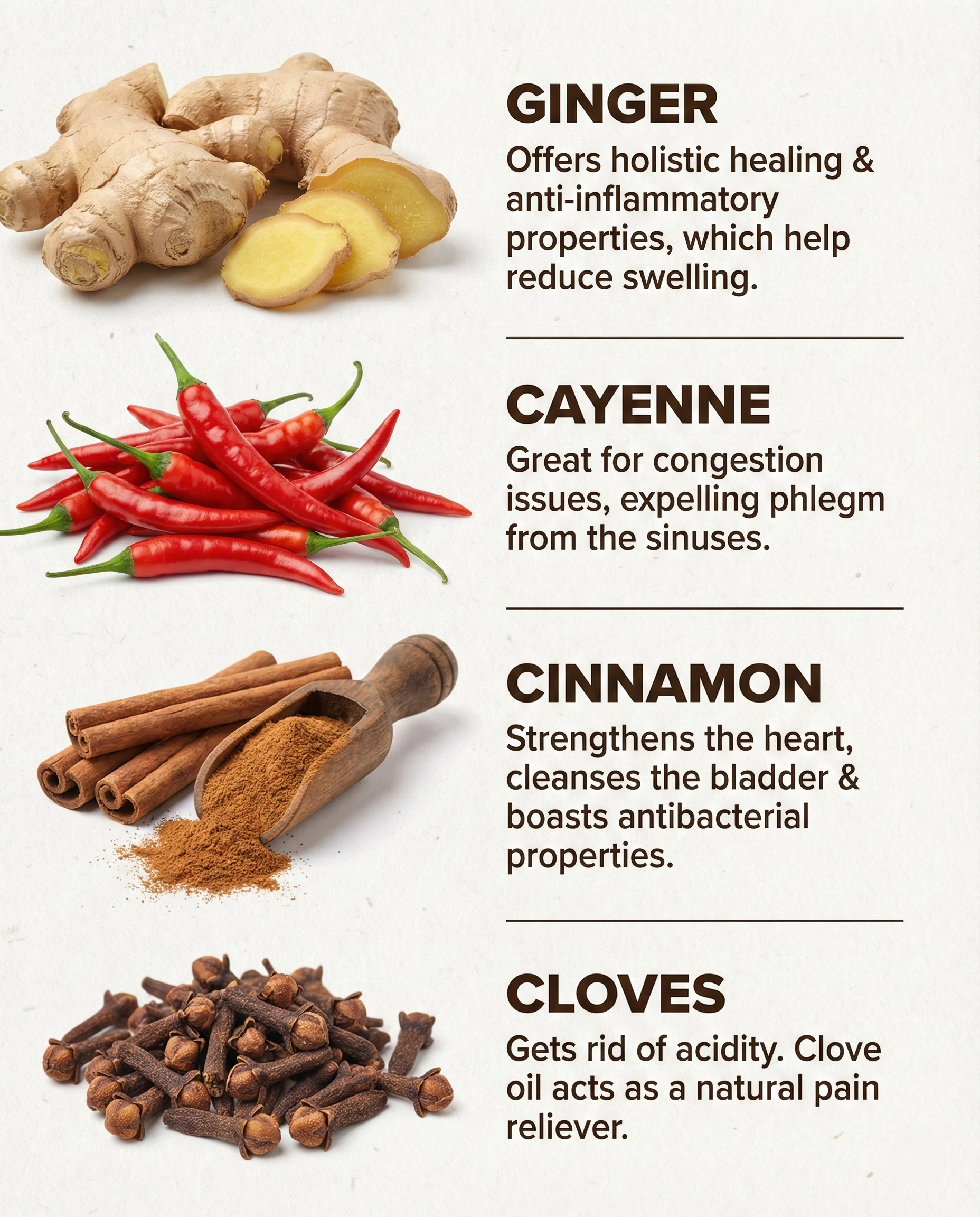
1) Ginger: best known for nausea + digestion comfort
What it may help (most realistic)
- Occasional nausea (e.g., motion-related queasiness) and mild digestive discomfort (bloating/“heavy stomach” feeling).
- Inflammation support as part of an overall anti-inflammatory pattern (not a stand-alone “swelling cure”).
How to use ginger (easy + effective options)
- Ginger tea: Steep fresh slices (or a tea bag) 5–10 minutes.
- Food dose: Add grated ginger to soups, stir-fries, oatmeal, or smoothies.
- “Shot” style: Ginger + lemon + water (avoid super-concentrated shots if you’re prone to reflux).
When you might feel results
- For nausea: often within 30–60 minutes (varies by person and dose).
- For inflammation-related goals: think weeks, not days – consistent dietary pattern matters more than one ingredient.
Safety notes
- Can aggravate heartburn/reflux for some.
- If you take blood thinners or have bleeding disorders, check with a clinician before high-dose supplements.

2) Cayenne: the science-backed angle is capsaicin for pain (topical)
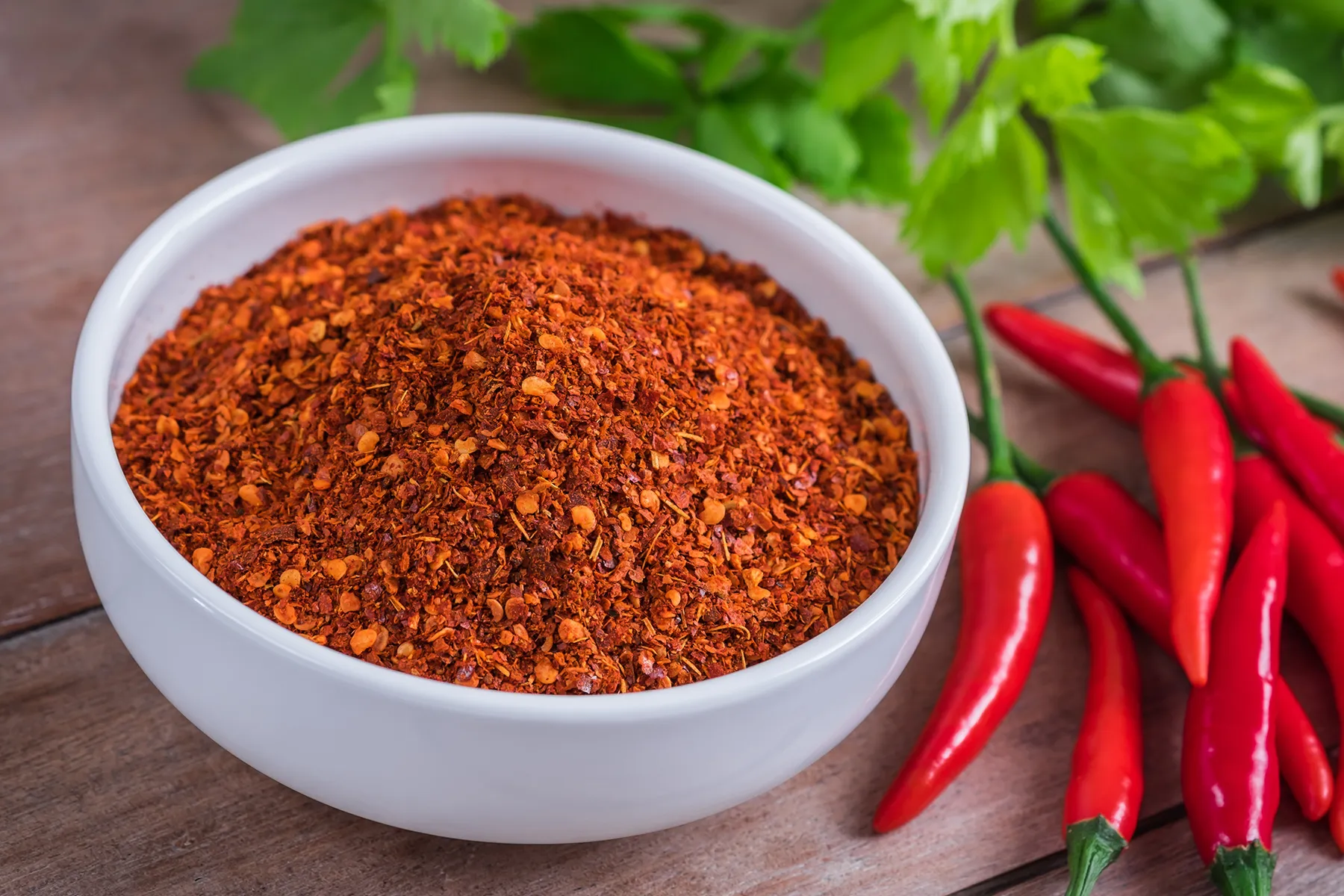
Cayenne’s active compound is capsaicin. While cayenne in food can feel “clearing” for the nose, the strongest clinical use is topical capsaicin for certain pain conditions.
What it may help (best-supported use)
- Neuropathic pain support via high-concentration capsaicin patches used in clinical settings (an FDA-approved option for specific neuropathic pain indications).
How to use it
- Food use (gentle): Add a pinch to soups, eggs, cacao, or roasted vegetables.
- Topical capsaicin (OTC creams): Follow label directions carefully; wash hands after.
- Clinical patch (high-strength): This is typically applied in a medical setting for specific neuropathic pain conditions.
When you might feel results
- With topical capsaicin, it’s common to need repeated use before meaningful relief (think days to weeks, depending on product and condition).
Safety notes
- Cayenne/capsaicin can cause burning/irritation – especially on sensitive skin or with higher concentrations.
- Avoid eyes, mucous membranes, and broken skin.
3) Cinnamon: promising… but don’t oversell it (and watch coumarin)
Cinnamon is popular for metabolic health. The key is to separate “may support” from “treats.”
What it may help (realistic framing)
- Some people use cinnamon as a small add-on for blood-sugar-friendly meals (e.g., oats + protein + cinnamon).
- However, major health organizations note that evidence is mixed and it’s not a substitute for standard diabetes care.
How to use it
- Daily food use: ½–1 teaspoon in oatmeal, yogurt, chia pudding, coffee, or baking.
- Pair cinnamon with fiber + protein for better glucose steadiness (e.g., oats + Greek yogurt + cinnamon).
When you might feel results
- If it helps you (often via better meal patterns), you’d look for changes over 2–8 weeks, not overnight.
Safety notes: cassia cinnamon & coumarin
- Many store-bought cinnamons are cassia, which can contain coumarin. High intakes may pose a risk for liver stress in sensitive people.
- The German Federal Institute for Risk Assessment (BfR) has highlighted the need to avoid consistently high coumarin exposure from cinnamon-containing foods, especially for frequent consumers.
Practical tip: If you use cinnamon daily in larger amounts, consider Ceylon cinnamon (“true cinnamon”), which is typically lower in coumarin.

4) Cloves: most practical use is short-term, topical comfort
Cloves contain eugenol, a compound widely associated with that familiar “numbing” sensation. The most common real-world use is for short-term oral discomfort.
What it may help (most realistic)
- Temporary relief for tooth/gum discomfort while you arrange proper dental care (not a fix for infection or decay).
- Culinary cloves can support flavor + antioxidant intake as part of a whole-food diet.
How to use cloves safely
- Cooking: Add whole cloves to broths, chai, stewed fruit, or marinades (then remove before eating).
- For oral comfort: If using clove oil, it should be properly diluted and used sparingly. Many people irritate tissues by using it “straight.”
When you might feel results
- Topical comfort can be fast (minutes), but it’s short-lived and not curative.
Safety notes
- Essential oils can irritate skin/tissues and may be unsafe for children or during pregnancy without guidance.
- Tooth pain with swelling, fever, or worsening symptoms needs urgent dental/medical evaluation.

A simple “how to choose” guide
- Nausea / digestion comfort: Ginger
- Nerve-type pain support (topical): Capsaicin (cayenne-derived)
- Blood sugar-friendly routines: Cinnamon as a supporting habit—not a treatment
- Short-term oral comfort: Clove (best as a bridge to proper care)
Sources
- QUTENZA (capsaicin) Prescribing Information — U.S. FDA (accessdata.fda.gov)
- BfR proposes maximum levels for coumarin in food — German Federal Institute for Risk Assessment (BfR) (Bundesinstitut für Risikobewertung)
- Digest (herbs/supplements topic coverage incl. cinnamon & diabetes evidence) — National Center for Complementary and Integrative Health (NCCIH) (NCCIH)