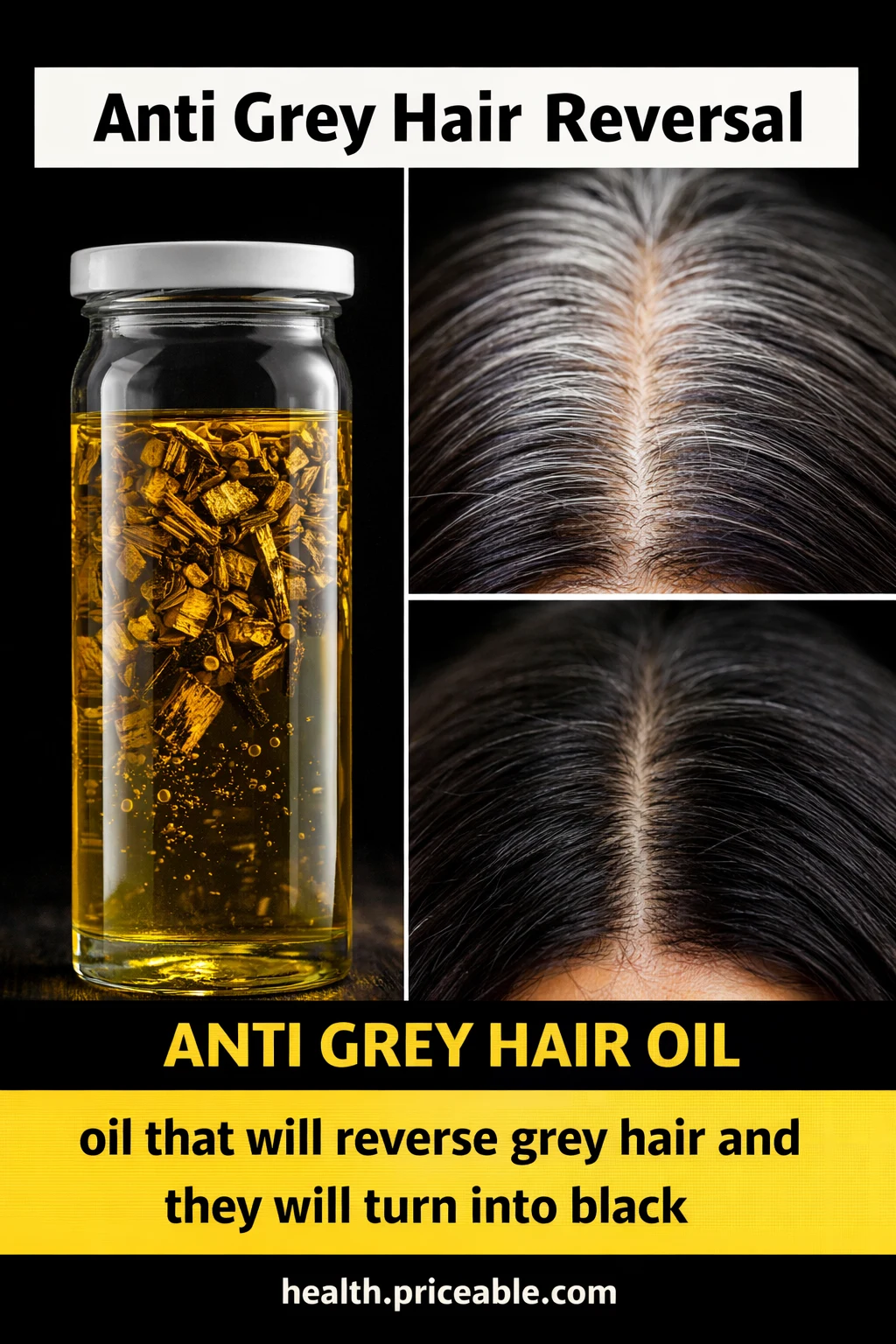
If you’ve seen the viral “add this in oil” post, it usually points to two things: camphor/menthol plus herbs or roots. The idea is simple: infuse a carrier oil so it feels cooling on the scalp, supports a cleaner-feeling scalp environment, and helps hair look fuller over time.
Camphor hair oil recipe: What you’ll need
You can keep it minimalist (carrier oil + menthol/camphor) or add herbs for an infused blend.
Ingredients
1) Carrier oil (choose 1 base, 4 oz / 120 mL total)
-
Jojoba oil (lightweight, great for oily scalps)
-
Grapeseed oil (light, absorbs fast)
-
Olive oil (richer, great for dry scalp)
-
Fractionated coconut oil (light coconut option that stays liquid)
Optional for thicker texture:
-
Castor oil: add 1–2 tablespoons (it’s thick, so don’t overdo it)
2) Cooling add-in (pick one, use a tiny amount)
-
Menthol crystals: a pinch (about 1/32 tsp)
-
Camphor crystals/tablet (topical/cosmetic grade): very small piece (start low)
If you’re sensitive, start with menthol only and keep it minimal. Stronger is not better.
3) Herbs/roots (optional, dried only)
Choose one (simple) or two (stronger aroma):
-
Dried rosemary
-
Amla powder
-
Bhringraj powder
-
Fenugreek seeds
-
Dried hibiscus
-
Dried nettle (leaf/root)
Use 1–2 tablespoons dried herbs per 4 oz oil.
Tools
-
Small heat-safe jar or bowl
-
Small pot for a water bath (double boiler style)
-
Fine strainer or cheesecloth
-
Amber glass dropper bottle or squeeze bottle
-
Optional: scalp massager
How to make it (2 methods)
Method 1: Quick infusion (best for beginners)
-
Add your carrier oil (4 oz) to a heat-safe jar or bowl.
-
Stir in dried herbs (if using).
-
Warm it over a low water bath for 20–30 minutes. The oil should feel warm, not hot.
-
Turn off heat and let it cool completely.
-
Strain out herbs.
-
Add a tiny pinch of menthol crystals (or a very small piece of camphor) and stir until fully dissolved.
-
Pour into your bottle and label it.
Method 2: No-heat steep (best for delicate oils)
-
Combine oil + dried herbs in a clean jar.
-
Store in a cool, dark place for 7–14 days, shaking gently every day.
-
Strain, then add menthol/camphor in a tiny amount and dissolve.
-
Bottle it up.
How to use it (2x a week)
-
Apply to a dry scalp (not dripping wet hair).
-
Part your hair and add 1–2 teaspoons total across the scalp.
-
Massage 3–5 minutes with fingertips or a scalp massager.
-
Leave on 30–60 minutes. If your scalp tolerates it, you can try overnight once you’ve patch tested.
-
Shampoo thoroughly (a sulfate-free shampoo works for many; use a clarifying shampoo occasionally if you get buildup).
Consistency matters more than using a lot.
What results are realistic?
Hair routines tend to show changes gradually. Some people notice:
-
Scalp feels fresher or less “tight”
-
Hair looks shinier and more conditioned
-
Less breakage from dryness
-
Improved “thicker hair” appearance from better scalp comfort + conditioning
If you’re hoping for visible changes, commit to an 8-week routine and take a quick photo in the same lighting every 2 weeks.
Common mistakes (and easy fixes)
-
Using too much menthol/camphor
Fix: Use a pinch. If you feel burning, dilute with more carrier oil immediately. -
Using fresh herbs (they can spoil in oil)
Fix: Only use dried herbs/roots. -
Overheating the oil
Fix: Keep it low heat. Hot oil can degrade the blend and irritate the scalp. -
Skipping the wash-out
Fix: Oil left on too long without proper cleansing can cause buildup. -
Expecting instant regrowth
Fix: Focus on scalp comfort, breakage reduction, and a consistent schedule.
Safety notes (don’t skip this)
-
Always do a patch test: apply a drop behind your ear or inner arm and wait 24 hours.
-
Avoid if you have broken skin, active irritation, or a known sensitivity to fragrance or cooling ingredients.
-
Use extra caution if you’re pregnant/breastfeeding, prone to migraines, or buying camphor meant for non-cosmetic use.
-
If you have sudden shedding, scalp pain, or bald patches, it’s smart to check in with a dermatologist.
Simple 8-week routine
Try this schedule:
-
Day 1: Apply oil, massage 3–5 minutes, wash out after 30–60 minutes
-
Day 4: Repeat
-
Keep styling gentle in between (looser hairstyles, less heat when possible)
Small upgrades that help:
-
Switch to a gentle, fragrance-free shampoo if you’re easily irritated
-
Use a lightweight conditioner on lengths to reduce breakage
-
Sleep on a silk/satin pillowcase to cut friction
Buying guide: What to look for (and what to avoid)
If you’d rather buy ingredients or a ready-made scalp oil, here’s what matters.
Menthol or camphor: best shopping checklist
-
Look for topical/cosmetic grade labeling when possible
-
Avoid products with mystery fillers, dyes, or strong added fragrance
-
If you’re sensitive, choose menthol crystals and start with a tiny amount
-
Consider third-party tested options when available
Best carrier oil for your scalp type
-
Oily scalp: jojoba, grapeseed
-
Dry scalp: olive, fractionated coconut
-
Coarse/dry hair: add a little castor oil for richness
Herbal add-ins: easiest to buy
-
Rosemary (dried leaves)
-
Amla powder
-
Bhringraj powder
-
Fenugreek seeds
Tip: If you hate straining, choose powders and let them settle, then decant the clear oil into a dropper bottle.
If you prefer a ready-made option
When comparing scalp oils or hair serums, look for:
-
Clear ingredient list
-
Simple base oils you recognize
-
A “cooling” ingredient (menthol or peppermint) if you like that feel
-
A bottle style you’ll actually use (dropper, nozzle tip)
FAQ
How much menthol crystals should I add to hair oil?
Start with a tiny pinch for 4 oz (120 mL) of oil. You can increase slightly next batch if you tolerate it, but too much can irritate.
Can I use camphor hair oil on a sensitive scalp?
You can, but start very low (or skip camphor and use a tiny amount of menthol only). Patch test first and choose a gentle, fragrance-free shampoo.
Can I leave it on overnight?
Only after you’ve patch tested and tried a shorter wear time first. Some scalps love it; others get itchy from leaving oil on too long.
Which herbs work best in an infused hair oil?
Popular picks are rosemary, amla, bhringraj, fenugreek, hibiscus, and nettle. Use dried herbs only.
What’s the best carrier oil if my scalp gets greasy fast?
Try jojoba or grapeseed oil. They feel lighter and are easier to wash out.
How long does homemade scalp oil last?
If you used clean tools and dried herbs, it usually stays fresh for 2–3 months in a cool, dark spot. If it smells “off,” toss it.
Can this help with postpartum shedding?
Postpartum shedding is often tied to normal hair cycling. This oil can support scalp comfort and reduce breakage, but it won’t override hormones.
Can I use this with color-treated hair?
Usually yes, but keep the oil mostly on the scalp and wash out well. If your hair is very porous, choose a lighter base like jojoba.