Prickly lettuce, often called wild lettuce (Lactuca serriola), is a common wild plant that has been used for generations in traditional wellness practices. Recognizable by its tall stem, jagged blue-green leaves, and tiny prickles along the leaf midrib, this plant is often overlooked as a weed – yet it holds a long history in folk herbal traditions.
In recent years, wild lettuce has gained renewed interest online, especially in conversations around digestive support, herbal bitters, and traditional “cleansing” routines. This article takes a balanced, science-aware approach, exploring how prickly lettuce has been used traditionally, what it may offer nutritionally, and most importantly how to use it safely and responsibly.
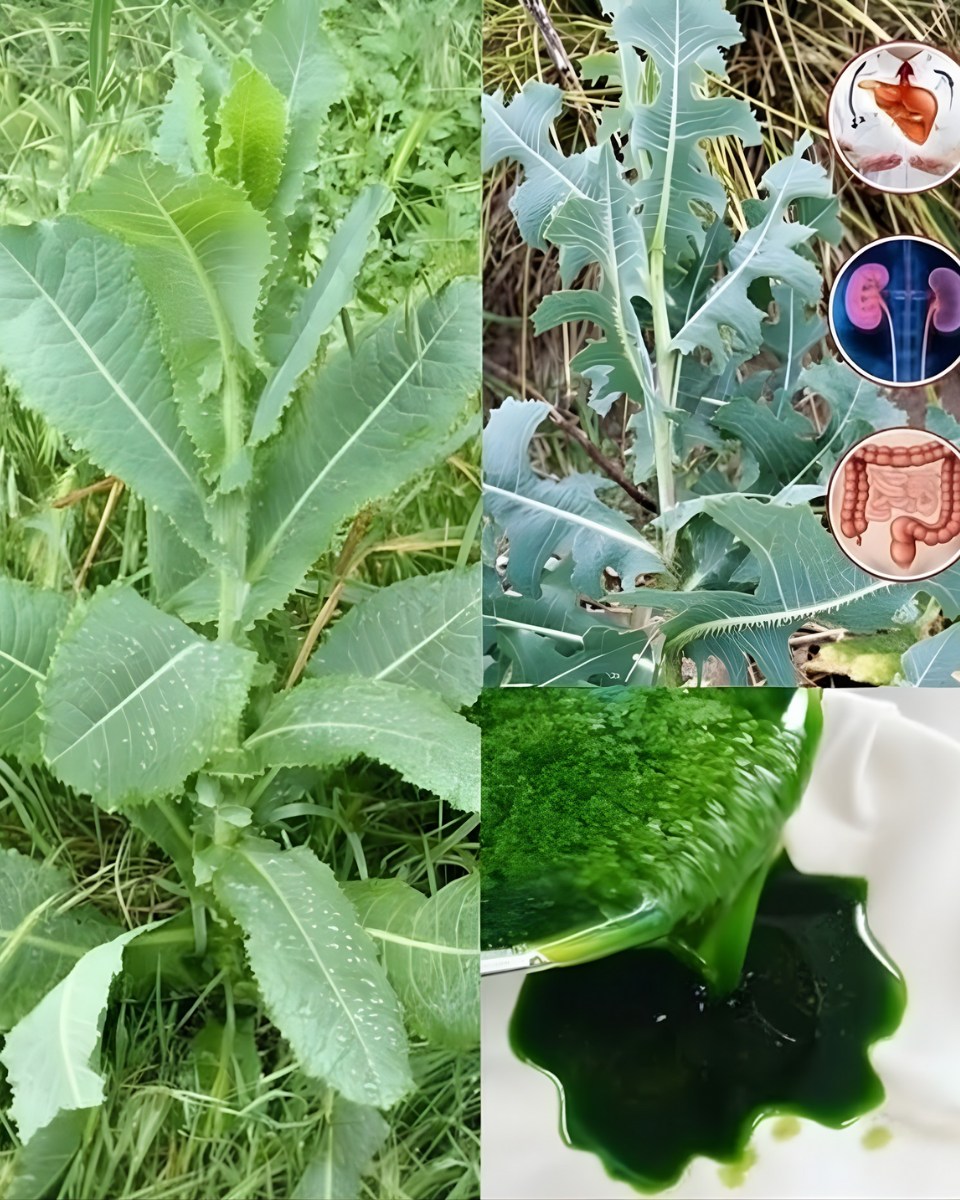
What Is Prickly Lettuce (Wild Lettuce)?
Prickly lettuce (Lactuca serriola) is a wild relative of cultivated lettuce. It grows in disturbed soils, roadsides, gardens, and open fields across North America, Europe, and parts of Asia.
Key Identification Features
- Tall central stem (often 3–6 feet high)
- Long, jagged, blue-green leaves
- Small prickles along the underside of the leaf midrib
- Milky white sap when the stem is broken
- Leaves often align vertically (north–south), earning it the nickname “compass plant”
Correct identification is essential, as many wild plants look similar.
How Prickly Lettuce Is Traditionally Prepared
Option 1: Bitter Green Infusion (Most Common & Gentle)
Ingredients
- A small handful of fresh wild lettuce leaves
- 1–2 cups hot water
How to Prepare
- Wash leaves thoroughly.
- Tear into smaller pieces.
- Steep in hot (not boiling) water for 10–15 minutes.
- Strain and sip slowly.
Taste note: Very bitter. Many people blend with milder herbs like mint or lemon balm.
Option 2: Blended Green Drink (Use Sparingly)
Some traditional users blend small amounts of wild lettuce with other greens.
Safer approach
- Combine with mild greens (romaine, cucumber, celery)
- Use small quantities
- Drink occasionally, not daily
Avoid concentrated or frequent use.
Traditional Benefits of Prickly Lettuce
Wild lettuce has been mentioned in traditional European and Middle Eastern herbal texts for centuries. Historically, it was valued not as a food crop, but as a bitter green and mildly calming herb.
In folk traditions, prickly lettuce was commonly used for:
- Supporting digestion after heavy meals
- Encouraging relaxation and rest
- Complementing seasonal wellness routines
- Providing gentle support during periods of physical tension
It’s important to note that traditional use does not equal proven medical treatment, but it does help explain why interest in this plant persists today.
1. Digestive Comfort Support
Bitter greens are often used before or after meals to:
- Stimulate digestive secretions
- Support normal bile flow
- Promote comfortable digestion
This is why wild lettuce is often grouped with other traditional bitters like dandelion greens or chicory.
2. Traditional “Cleansing” Support
In herbal traditions, the word cleansing does not mean detoxing toxins from organs. Instead, it refers to:
- Supporting regular digestion
- Encouraging hydration
- Helping maintain normal elimination
Wild lettuce has historically been included in seasonal wellness routines focused on dietary simplicity and balance, not aggressive detoxification.
3. Relaxation and Nervous System Support (Traditional Use)
Some traditional sources describe wild lettuce as gently calming. Historically, small amounts were used in evening herbal preparations to support rest.
Modern research on this effect is limited, so claims should remain conservative.
Safety, Precautions, and Who Should Avoid It
Wild lettuce is not appropriate for everyone.
Avoid or consult a professional if you:
- Are pregnant or breastfeeding
- Have kidney, liver, or gallbladder conditions
- Take sedatives, blood pressure medications, or diuretics
- Have plant allergies (especially Asteraceae family)
Possible Side Effects
- Dizziness
- Nausea
- Digestive discomfort
- Excessive drowsiness if overused
Always start with very small amounts and discontinue use if any discomfort occurs.
Proper Identification Is Critical
Never consume wild plants unless you are 100% certain of identification.
Common look-alikes include:
- Sow thistle
- Prickly hawkweed
- Young dandelion varieties
Misidentification can lead to adverse effects.
Sustainable Foraging Tips
If foraging:
- Harvest from clean, pesticide-free areas
- Avoid roadsides and polluted soil
- Take only what you need
- Leave roots intact when possible
Sustainable harvesting protects both ecosystems and future growth.
Frequently Asked Questions (SEO FAQ)
Is wild lettuce the same as cultivated lettuce?
No. While related, wild lettuce is much more bitter and contains different plant compounds.
Can wild lettuce cure liver or kidney disease?
No scientific evidence supports this. It should not be used as a treatment.
Is wild lettuce safe to consume daily?
Daily use is not recommended. Occasional use is more consistent with traditional practices.
Can wild lettuce replace medication?
No. It should never replace prescribed medical treatment.
Final Thoughts: A Traditional Bitter With Modern Caution
Prickly lettuce (wild lettuce) is a fascinating example of how traditional herbal knowledge intersects with modern wellness interest. While it has a long history as a bitter green used for digestive comfort and relaxation support, it must be approached with respect, moderation, and safety.
If you’re curious about wild greens, wild lettuce can be an educational addition to your herbal knowledge but it should never be treated as a cure or miracle remedy.