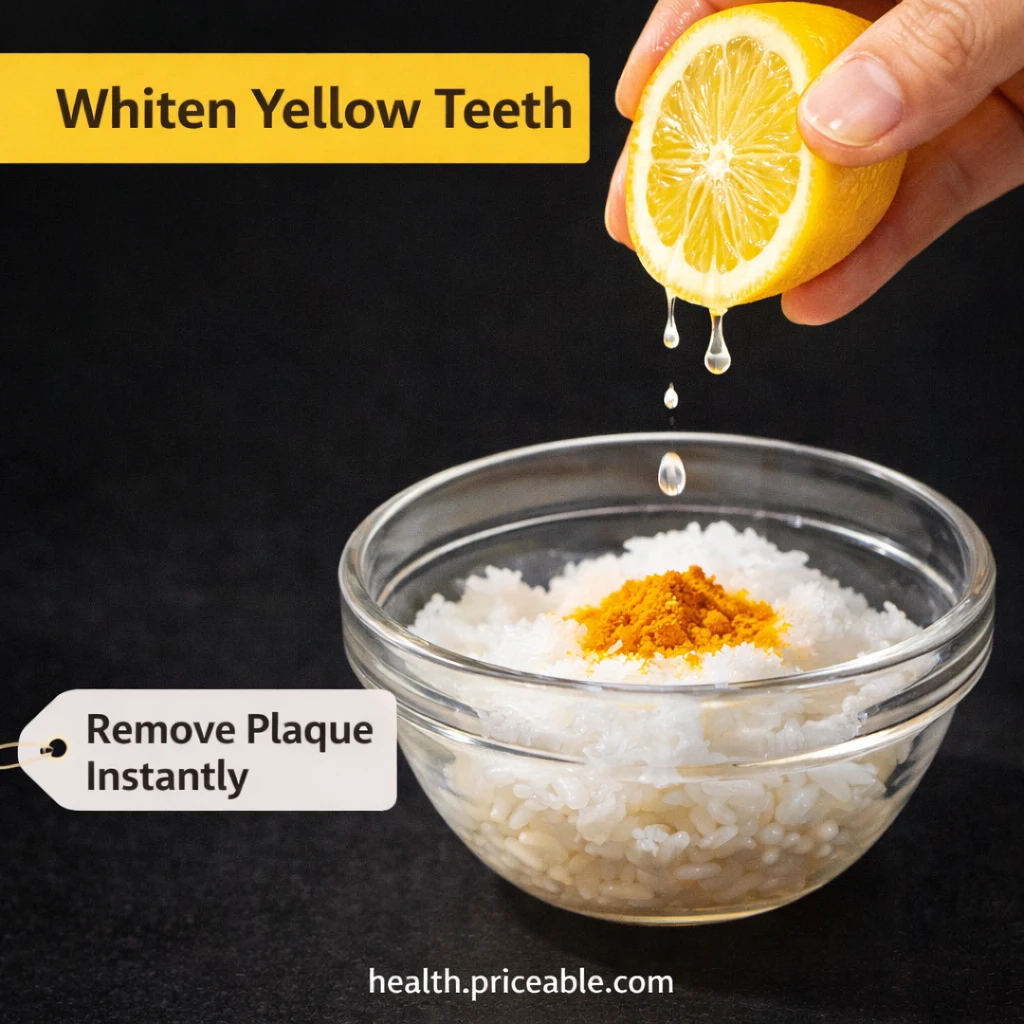
If you’ve tried to whiten yellow teeth at home, you’ve probably seen the viral mix of lemon juice, turmeric, and rice that claims to “remove plaque instantly.” It sounds simple and cheap, but teeth are not like countertops, and the wrong DIY can leave you with more sensitivity and stains over time.
Here’s what’s really going on with yellow teeth, what that lemon trend can do to enamel, and the safer routines and products that may help your smile look brighter.
Whiten Yellow Teeth: Why Teeth Look Yellow in the First Place
Teeth can look yellow for a few different reasons, and the fix depends on which one you’re dealing with.
Common causes include:
-
Surface stains: coffee, tea, red wine, soda, tobacco, and dark berries
-
Plaque buildup: a sticky film that holds onto pigments from food and drinks
-
Tartar (hardened plaque): rough buildup that stains easily and usually needs a professional cleaning
-
Enamel thinning: as enamel wears down, the naturally yellower layer underneath (dentin) shows through
-
Genetics and age: some people naturally have darker dentin or thinner enamel
If your teeth are yellow from enamel thinning, aggressive “scrubbing” can make the problem worse.
The Viral Lemon + Turmeric + Rice Trick: Why It’s Risky
That bowl-and-lemon hack looks harmless, but it combines three things that can backfire.
Lemon juice is highly acidic
Acid can soften enamel temporarily. If you brush or scrub after using something acidic, you may wear enamel down faster, which can lead to more yellow showing through and increased sensitivity.
Rice can be too abrasive
Cooked rice or grainy rice paste can act like a rough scrub. Scratches on enamel can make stains cling more stubbornly later.
Turmeric can stain
Turmeric is a strong pigment. On porous enamel or around plaque/tartar, it may leave a yellow tint that’s hard to remove.
“Remove plaque instantly” is misleading
Plaque is soft and can be brushed away, but tartar cannot be removed at home with DIY mixes. If what you’re seeing is tartar along the gumline, the real solution is a dental cleaning.
A Safer At-Home Routine That Actually Helps
If you want brighter teeth without risking enamel, focus on stain control and plaque removal first.
Daily routine (best “bang for your buck”)
Do this consistently for 2–3 weeks before you judge results.
-
Brush 2 minutes, twice daily with a soft-bristle toothbrush or electric toothbrush
-
Use a fluoride toothpaste (helps protect enamel while you work on stains)
-
Clean between teeth daily with dental floss or interdental brushes
-
If you drink coffee/tea, rinse with water after, and don’t sip slowly for hours
Tip: If you had something acidic (citrus, soda, vinegar), wait 30 minutes before brushing.
Weekly gentle polish (DIY option, use sparingly)
This is for surface stains, not deep whitening.
Simple baking soda polish (1x per week max):
-
1/2 teaspoon baking soda
-
A few drops of water (make a thin paste)
How to use:
-
Brush very gently for 30 seconds on front surfaces only.
-
Rinse well.
-
Brush normally with your regular toothpaste.
Skip this if you have gum recession, frequent sensitivity, braces/aligners, or dental work you’re trying to protect.
If you want faster visible brightening
Over-the-counter whitening tends to work best when it’s peroxide-based (often hydrogen peroxide or carbamide peroxide) and used exactly as directed.
To reduce sensitivity:
-
Start with fewer days per week
-
Use a sensitivity toothpaste (often with potassium nitrate or stannous fluoride)
-
Avoid whitening on days your teeth feel “zingy”
How to Remove Plaque (And What You Can’t Remove at Home)
If your goal is a cleaner-looking smile, plaque control matters as much as whitening.
Plaque tips that help quickly:
-
Angle the brush toward the gumline and use gentle circles
-
Spend extra time on the back of lower front teeth (a common buildup spot)
-
Add a water flosser if flossing is tough for you
-
Use a tongue scraper to reduce bacteria and morning breath
What you can’t do at home:
-
Remove tartar that’s already hardened
-
Smooth rough buildup under the gumline
If you feel “sandpaper” texture on teeth near the gums, that’s a strong sign it’s time for a professional cleaning.
Common Mistakes That Keep Teeth Yellow
These are the big ones that slow progress or make things worse:
-
Brushing hard (can wear enamel and irritate gums)
-
Using lemon or vinegar DIYs (acid + brushing = enamel risk)
-
Overdoing abrasives (charcoal powders, gritty scrubs, frequent baking soda)
-
Skipping flossing (stains and plaque build between teeth where whitening won’t reach)
-
Whitening while plaque is heavy (results look uneven)
-
Expecting whitening to change crowns or veneers (they don’t lighten like natural enamel)
Buying Guide: What to Look For in Whitening Products
If you’re shopping, here’s what usually makes the biggest difference, without guessing.
Whitening toothpaste
Good for: daily stain lifting and maintenance
Look for:
-
Fluoride for enamel support
-
“Tartar control” if you build buildup quickly
-
Options made for sensitive teeth if you get zings
Whitening strips or peroxide gel kits
Good for: faster shade change on natural teeth
Look for:
-
Clear instructions and timed wear
-
Lower-strength options if you’re prone to sensitivity
-
A brand that clearly lists active ingredients
Electric toothbrushes
Good for: better plaque removal (which helps stains look lighter)
Look for:
-
Soft modes
-
Pressure sensor (helps prevent overbrushing)
Water flossers and interdental tools
Good for: gumline cleanup and between-teeth stain control
Look for:
-
Adjustable pressure
-
Tips sized for tight spaces if needed
Ingredients and approaches to avoid
Be cautious with:
-
Daily charcoal powders
-
Gritty salt/sugar scrubs
-
Acid-based “whitening” hacks (lemon, vinegar)
-
Anything that makes your teeth feel rough afterward
Small Food and Drink Tweaks That Help
You don’t have to quit coffee to see improvement.
Try this:
-
Drink coffee/tea in a shorter window instead of all day
-
Rinse with water after staining drinks
-
Chew sugar-free gum after meals (helps saliva do its job)
-
Eat crunchy produce like apples, celery, and carrots to help scrub surfaces gently
-
If you’re whitening, avoid heavy staining foods for the first day after a whitening session
Safety Notes (Worth Reading)
-
Stop any whitening method if you get sharp sensitivity or gum irritation.
-
Don’t use DIY acids on teeth. Enamel doesn’t “grow back” the way skin heals.
-
If you have cavities, gum recession, braces, crowns, veneers, or very sensitive teeth, talk with a dentist before whitening.
-
For any DIY paste, make it fresh and discard leftovers (don’t store a wet mix).
FAQ
What’s the fastest way to whiten yellow teeth at home?
For many people, consistent plaque removal plus a peroxide-based whitening product (used as directed) shows the quickest change. Whitening toothpaste helps more with surface stains over time.
Does lemon juice whiten teeth?
Lemon can make teeth look temporarily brighter by stripping surface film, but the acid can soften enamel and increase sensitivity, which may lead to more yellowing over time.
Can turmeric stain teeth?
It can. Turmeric pigment may cling to plaque, tartar, and porous enamel, making teeth look more yellow instead of less.
Is baking soda safe for teeth?
Used gently and occasionally, it can help lift surface stains. Used too often or aggressively, it can be too abrasive for some people.
Why are my teeth yellow even though I brush every day?
Stains from drinks/foods, plaque between teeth, tartar near the gumline, and enamel thinning can all cause yellowing. Flossing (or interdental cleaning) and regular cleanings matter a lot.
What removes plaque quickly?
A thorough 2-minute brush, daily flossing or interdental brushes, and a water flosser for the gumline can reduce plaque fast. Hardened tartar needs professional removal.
Do whitening strips work on crowns or veneers?
They usually don’t lighten dental work the same way they lighten natural enamel. You may need a dentist’s advice for color-matching options.