A DIY hair oil for gray hair is a popular at-home remedy for people who want softer, shinier hair and a healthier-looking scalp without using harsh products. While no homemade oil can promise to turn every white strand black overnight, many people use herbal oil blends to support dry, dull, aging hair and make it look smoother, glossier, and better conditioned.
This simple recipe uses everyday ingredients like coconut oil, castor oil, curry leaves, and fenugreek. It is easy to make, budget-friendly, and simple to add to a weekly hair care routine.
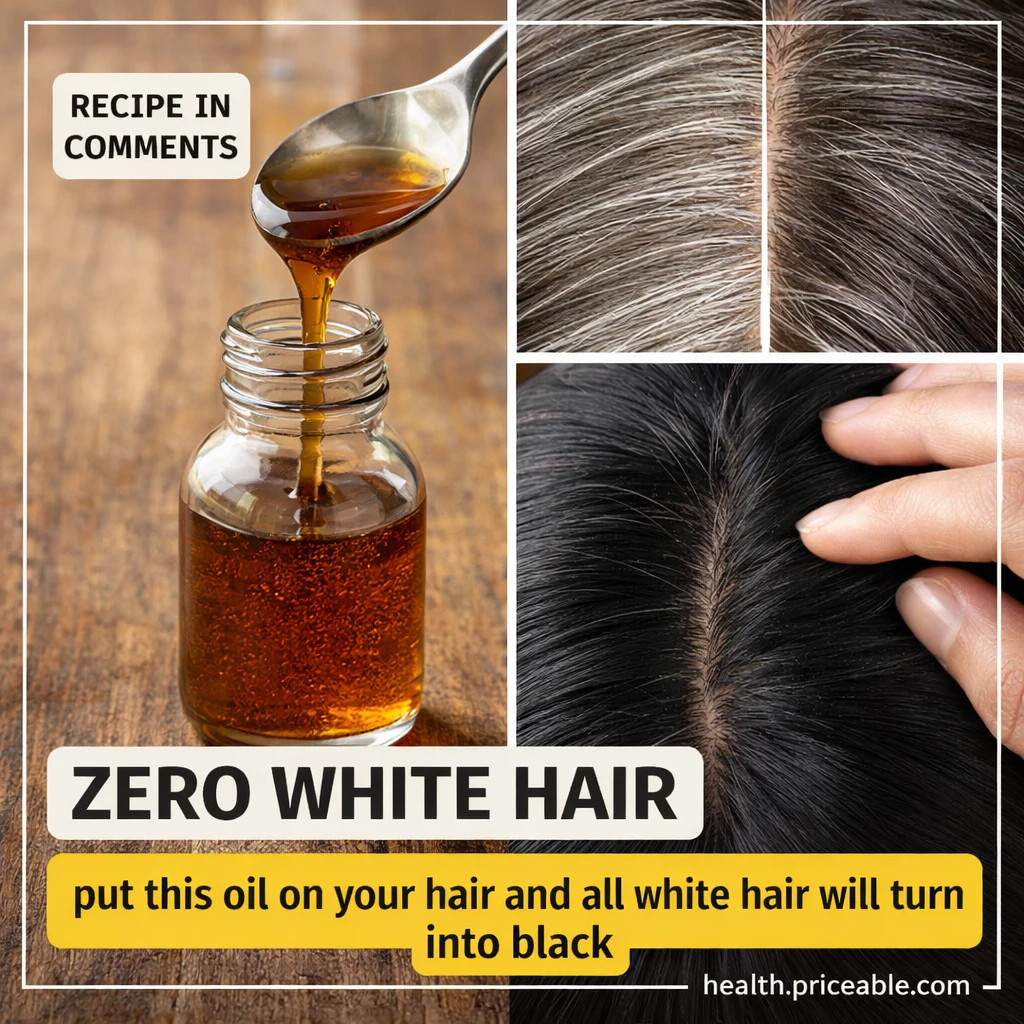
DIY Hair Oil for Gray Hair: Simple Recipe
This recipe makes about 6 to 8 ounces of oil.
Ingredients
-
1/2 cup coconut oil
-
2 tablespoons castor oil
-
2 tablespoons dried curry leaves
-
1 tablespoon fenugreek seeds
-
1 teaspoon black seeds or kalonji, optional
-
1 small amber glass bottle or clean jar for storage
Prep Time
-
Prep: 5 minutes
-
Heat time: 10 to 15 minutes
-
Cooling time: 30 minutes
How to Make It
-
Add the coconut oil and castor oil to a small pan.
-
Stir in the dried curry leaves, fenugreek seeds, and black seeds if using.
-
Warm the mixture over very low heat for 10 to 15 minutes. Do not let it smoke or boil hard.
-
Turn off the heat once the leaves look crisp and the seeds smell lightly toasted.
-
Let the oil cool completely.
-
Strain it through a fine mesh strainer or cheesecloth.
-
Pour the finished oil into a clean, dry bottle.
Why These Ingredients Are Popular
Coconut oil is a common carrier oil because it spreads easily and helps soften dry hair.
Castor oil is thicker and often used in small amounts when people want a richer, heavier blend.
Curry leaves are often included in traditional hair oil recipes for aging hair.
Fenugreek seeds are popular in DIY scalp care because they are easy to find, inexpensive, and commonly used in homemade hair masks and oils.
How to Use the Oil
Part your hair and apply a small amount directly to the scalp.
Massage gently for 3 to 5 minutes, then smooth a little through the mid-lengths and ends.
Leave it on for 1 to 2 hours before shampooing. Some people prefer overnight use, but that works best if your scalp handles oils well and your pillow is protected.
Use it 2 to 3 times per week for a few weeks before deciding whether it fits your routine.
Best Routine for Most Hair Types
-
Dry or coarse hair: 2 to 3 times a week
-
Fine or oily hair: 1 to 2 times a week
-
Protective styles or very dry ends: focus more on the scalp and hairline, then use a light amount on the ends
What to Expect From a Homemade Hair Oil
It helps to be realistic.
This kind of oil may help hair feel softer, look shinier, and appear less dull. Some people feel their scalp is more comfortable and their hair looks healthier with regular use.
What it usually does not do is permanently reverse gray hair or guarantee that white strands turn black. Hair color changes can happen for many reasons, and topical oils are not a cure-all.
A better goal is to use this recipe as part of a simple routine for scalp care, hydration, and overall hair appearance.
Common Mistakes and Easy Fixes
1. Heating the Oil Too Much
If the oil starts smoking, it is too hot.
Fix: Keep the heat low and slow. Overheated oil can smell burnt and may irritate sensitive skin.
2. Using Fresh Leaves With Moisture Still in Them
Water in the bottle can shorten shelf life and increase the chance of spoilage.
Fix: Use dried curry leaves, or make sure any fresh leaves are fully dried before adding them to oil.
3. Applying Too Much Oil
A heavy coating can make washing harder and leave fine hair greasy.
Fix: Start with 1 to 2 teaspoons for the scalp, then add more only if needed.
4. Expecting Instant Results
Many viral posts make dramatic promises, but most hair routines need consistency.
Fix: Use the oil regularly for several weeks and focus on softness, shine, and scalp comfort instead of overnight color change claims.
5. Skipping the Patch Test
Even natural ingredients can bother sensitive skin.
Fix: Test a small amount behind the ear or on the inner arm for 24 hours before full use.
Safety and Storage Tips
Do a patch test before the first use.
Avoid using the oil on broken, irritated, or freshly scratched skin.
Keep it away from the eyes.
If you notice itching, burning, redness, or bumps, stop using it.
Store the oil in a sealed bottle in a cool, dry place. If you used only dry ingredients, it should keep well for about 2 to 3 weeks. If you are unsure whether moisture got into the bottle, refrigerate it and use it sooner.
Buying Guide: What to Look for Before You Make This Recipe
If you want the best result from a homemade blend, ingredient quality matters.
When shopping, look for cold-pressed coconut oil and hexane-free castor oil when possible. These are common choices for people who want a simpler ingredient label and a more natural feel.
Choose dried curry leaves if you want easier storage and less risk of spoilage. For fenugreek, regular food-grade seeds from the spice aisle usually work well.
A few other things to look for:
-
Fragrance-free oils if you have a sensitive scalp
-
No added mineral oil if you prefer a lighter, more natural blend
-
Amber glass bottles to help protect the oil from light
-
Dropper bottles or narrow-tip applicators for easier scalp application
-
Fine mesh strainers if you do not want herb pieces left in the bottle
Ingredients to Avoid
If you are buying a ready-made herbal hair oil instead of making your own, check the label for:
-
Heavy artificial fragrance
-
Unclear “proprietary blend” wording with no actual oil breakdown
-
Added dyes
-
Strong essential oils in high amounts if your scalp is reactive
Typical Price Range
A basic DIY setup with coconut oil, castor oil, curry leaves, fenugreek, and a bottle often falls in the $15 to $35 range depending on brand and size.
A ready-made herbal scalp oil usually ranges from $12 to $30. Premium blends with specialty packaging or multiple botanical extracts can cost more.
Where to Buy Ingredients
You can usually find the ingredients at:
-
Grocery stores
-
Indian or South Asian markets
-
Natural food stores
-
Beauty supply shops
-
Online retailers with ingredient labels and customer reviews
If convenience matters most, a ready-made scalp oil may be the best option. If price and ingredient control matter more, a DIY blend is usually the better value.
Who This Recipe Is Best For
This oil works best for people who want:
-
A simple at-home scalp massage oil
-
A budget-friendly hair care option
-
A softer, shinier finish for dry or dull hair
-
A brand-free way to test ingredients before buying a pre-made product
If your main goal is full gray coverage, you may be happier comparing temporary color-depositing products, root touch-up options, or salon color services instead of relying on oil alone.
FAQ
Can DIY hair oil turn gray hair black permanently?
No homemade oil can promise permanent gray reversal. A DIY blend may help hair look healthier, shinier, and less dry, but dramatic color claims are usually overstated.
How often should I use hair oil for gray hair?
Most people do well with 1 to 3 uses per week. Fine hair usually needs less, while dry or coarse hair can often handle more frequent use.
Which oil is best for dry, aging hair?
Coconut oil is a popular starting point because it feels lighter. Castor oil is thicker, so it is often mixed in small amounts when people want a richer formula.
Can I leave this hair oil on overnight?
Yes, many people do. Start with a shorter wear time first to see how your scalp responds, especially if you are prone to buildup or irritation.
Is castor oil too heavy for fine hair?
It can be. That is why this recipe uses only a small amount. If your hair gets weighed down easily, reduce the castor oil and use more coconut oil instead.
Where can I buy curry leaves and fenugreek for hair oil?
They are often available at Indian grocery stores, spice shops, larger supermarkets, and online marketplaces. Dried curry leaves are usually the easiest option for storage.
How long does homemade hair oil last?
If you use only dry ingredients and keep water out of the bottle, it usually lasts about 2 to 3 weeks in a cool, dry place.
Should I make my own oil or buy a ready-made hair oil?
DIY is usually better if you want ingredient control and lower cost. A pre-made formula can be a better fit if you want convenience, travel-friendly packaging, or a no-mess applicator.
A homemade hair oil can be a simple, affordable way to care for dry, dull, or aging hair. Keep expectations realistic, choose good ingredients, and use it consistently as part of a routine that supports scalp comfort and healthy-looking hair.