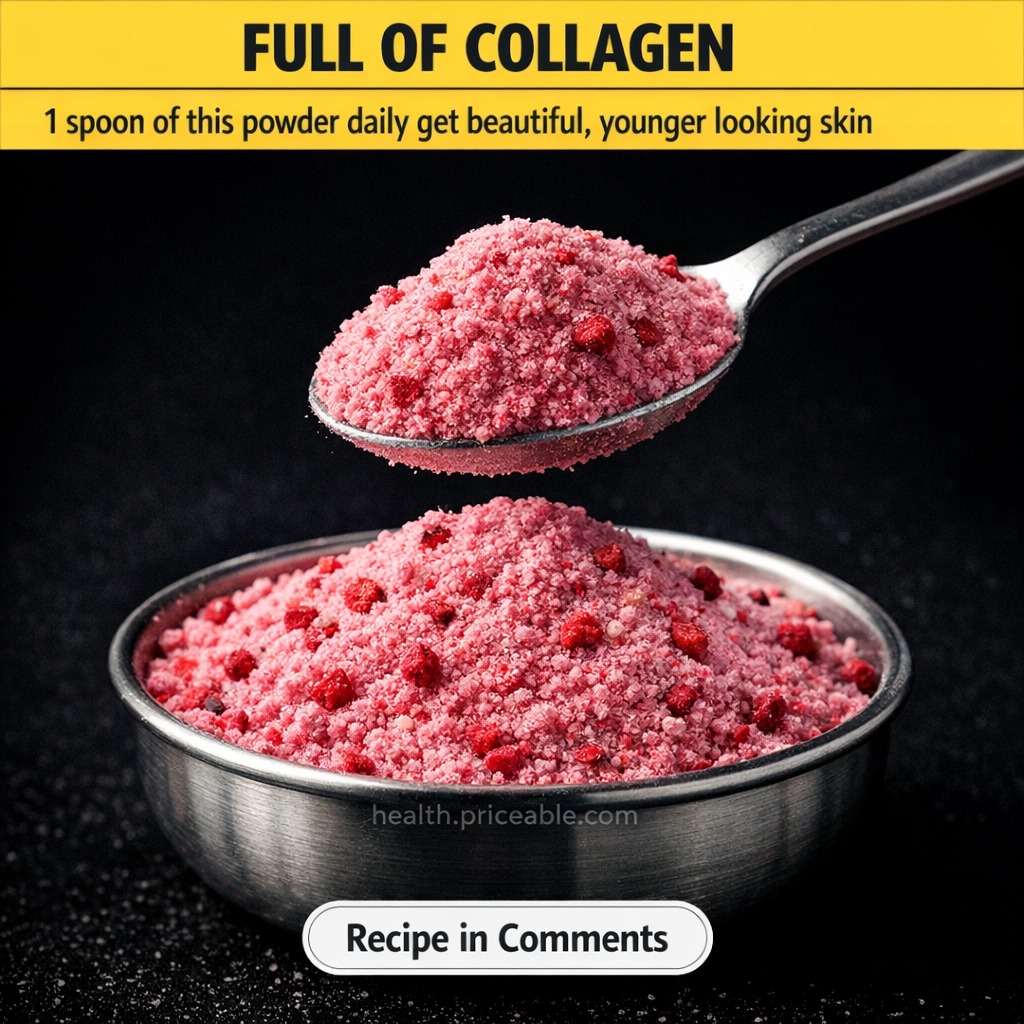
If you have been seeing posts about a pink “homemade collagen powder” that promises softer, brighter, younger-looking skin, the idea is easy to understand. One spoon a day feels simple, affordable, and much easier than a long skincare routine.
The real appeal is not magic. It is convenience. A well-made daily powder can bring together skin-friendly ingredients in one scoop, so your morning drink or smoothie does a little more for your routine.
This homemade collagen powder recipe is built for that kind of habit. It is easy to store, easy to use, and flexible enough to customize based on your taste and goals.
What this homemade collagen powder can really do
A homemade collagen powder can be a smart beauty-support blend, but it helps to set expectations. Most DIY versions do not contain actual collagen unless you add a collagen peptide powder to the mix.
That does not make the idea useless. It just changes the goal. Instead of thinking of it as a miracle anti-aging powder, think of it as a collagen-supporting daily blend that may help your skin routine feel more complete over time.
Used consistently, it can support hydration habits, add vitamin C-rich ingredients, and make it easier to stick to a skin-focused wellness ritual.
Why it works
- Vitamin C helps support normal collagen production in the body.
- Protein-rich add-ins can make the blend more filling and routine-friendly.
- Berry powders bring antioxidants that support overall skin wellness.
- Seeds can add healthy fats that support dry or dull-looking skin.
- A scoopable powder is easier to use daily than a complicated recipe.
- Better consistency often matters more than trendy one-time “skin hacks.”
Homemade collagen powder recipe
This version is a collagen-supporting powder, not a literal pure collagen powder. For a version with actual collagen, see the optional add-in below.
Basic recipe
Ingredients:
- 1/2 cup freeze-dried strawberry powder
- 1/2 cup freeze-dried beet powder or dragon fruit powder for color
- 1/2 cup milk powder or unsweetened coconut milk powder
- 1/4 cup ground flaxseed
- 1/4 cup chia seed powder
- 2 tablespoons acerola powder or camu camu powder
- 1 to 2 tablespoons vanilla powder or a small amount of vanilla bean powder
- 1 to 2 tablespoons monk fruit or another sweetener, optional
Optional:
- 1/2 to 1 cup unflavored collagen peptides if you want actual collagen in the blend
How to make it
- Add all dry ingredients to a blender or food processor.
- Blend until the texture becomes fine and evenly mixed.
- Let the powder settle for a minute before opening the lid.
- Transfer to a dry, airtight glass jar.
- Store in a cool, dry place.
How to use it
- Stir 1 tablespoon into water, milk, or a smoothie.
- Mix into yogurt or overnight oats.
- Add to a protein shake for a more filling breakfast.
- Blend with ice and milk for a quick pink beauty drink.
Best ways to use homemade collagen powder daily
The easiest way to keep this routine going is to attach it to something you already do.
Option 1: Morning beauty drink
Mix 1 tablespoon with cold milk, unsweetened almond milk, or water and shake well.
Option 2: Smoothie booster
Add 1 tablespoon to a berry smoothie with Greek yogurt and banana.
Option 3: Yogurt topper
Stir into plain yogurt with sliced fruit and seeds.
Option 4: Oatmeal mix-in
Add after cooking oatmeal for a creamy, lightly sweet flavor.
How to choose ingredients for a better blend
This is where most DIY recipes go wrong. The best powder is not the prettiest one. It is the one you can actually use every day and tolerate well.
Buying guide for homemade collagen powder ingredients
When shopping for ingredients, focus on these points:
- Choose freeze-dried fruit powders over sugary drink mixes.
Real fruit powder gives better flavor and a cleaner ingredient list. - Look for unsweetened options first.
This gives you more control over taste and sugar. - Pick a vitamin C source that is easy to tolerate.
Acerola and camu camu are popular, but start small if you have a sensitive stomach. - Check texture before buying large bags.
Some powders are gritty, which can ruin the drink. - Avoid blends with lots of fillers.
Maltodextrin, artificial colors, and heavy flavoring can make the recipe less useful. - Use finely ground seed powders.
Whole seeds do not mix as well and can shorten shelf life if not stored properly. - If adding collagen peptides, choose unflavored and simple formulas.
A shorter ingredient list is usually easier to work with. - Think about how you will actually use it.
If you want it for smoothies, texture matters less. For plain water or milk, it matters more. - Buy small amounts first.
This helps you test flavor, texture, and digestion before committing.
Common mistakes and quick fixes
1. Using sweetened drink powder instead of real fruit powder
Quick fix: Switch to freeze-dried fruit powder with no added sugar.
2. Adding too much vitamin C powder
Quick fix: Start with a small amount and build up slowly.
3. Storing it in a humid kitchen
Quick fix: Use an airtight jar and keep moisture out with a dry spoon.
4. Expecting overnight changes
Quick fix: Use it consistently for weeks, not days.
5. Making the texture too gritty
Quick fix: Blend longer and use finer powders.
6. Adding too many trendy ingredients
Quick fix: Keep the formula simple so you will actually use it.
7. Using it on an empty stomach when you are sensitive
Quick fix: Take it with breakfast or blend it into yogurt or a smoothie.
Safety note
A patch test is usually for skincare, but for edible powders, the smart move is a tolerance test.
- Start with a small serving the first few times.
- Stop if an ingredient causes bloating, itching, or discomfort.
- Avoid using expired powders or anything that smells stale.
- Store the jar tightly sealed and away from heat and moisture.
- If you are pregnant, nursing, managing a medical condition, or avoiding certain ingredients, check with a qualified professional before adding new supplements or specialty powders.
- People with seed allergies or sensitivity to high-fiber blends should be especially careful.
Timeline: when you may notice changes
This kind of routine is usually gradual.
- First few days: You may only notice taste, convenience, and whether the blend fits your routine.
- 2 to 4 weeks: Some people notice better consistency with hydration and skin-focused habits.
- 4 to 8 weeks: You may begin to notice subtle improvements in overall skin appearance if your diet and routine are also supportive.
- 8+ weeks: This is when long-term daily habits tend to show the most visible payoff.
The biggest difference usually comes from consistency, not from taking more.
FAQ
Homemade collagen powder FAQ
Can I make homemade collagen powder without collagen peptides?
Yes. It becomes more of a collagen-supporting beauty powder rather than a true collagen powder.
What is the best way to take homemade collagen powder?
Most people find it easiest in smoothies, yogurt, or milk-based drinks.
Can I use homemade collagen powder every day?
Many people do, but it is best to start with a smaller amount and see how your body responds.
Does homemade collagen powder actually help skin look better?
It may support a skin-friendly routine, especially when paired with enough protein, hydration, and good daily habits.
What ingredients support collagen naturally?
Vitamin C-rich fruit powders, protein-rich foods, and nutrient-dense seeds are common choices.
Can I add homemade collagen powder to coffee?
You can, but berry-based versions usually taste better in smoothies, milk, or yogurt.
How long does homemade collagen powder last?
If stored in a dry airtight container, it may keep well for several weeks, sometimes longer depending on the ingredients.
What should I look for when buying collagen peptides?
Look for unflavored options with a simple ingredient list and a texture that mixes easily.
Is homemade collagen powder cheaper than store-bought blends?
It can be, especially if you make a simple formula and buy ingredients in sensible amounts.
Which is better: homemade collagen powder or store-bought beauty powder?
Homemade gives you more control over ingredients, while store-bought may be more convenient and consistent.
Final takeaway
- A homemade collagen powder can be a simple daily beauty habit.
- The best versions support collagen rather than overpromise instant results.
- Keep the recipe simple, usable, and easy to store.
- Choose clean, unsweetened ingredients whenever possible.
- Consistency matters more than hype.